ultralights by voestalpine
Tags:
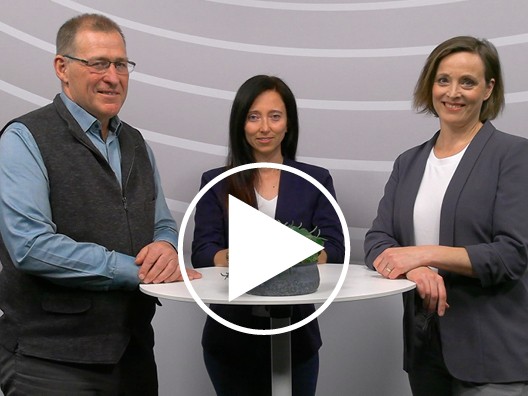
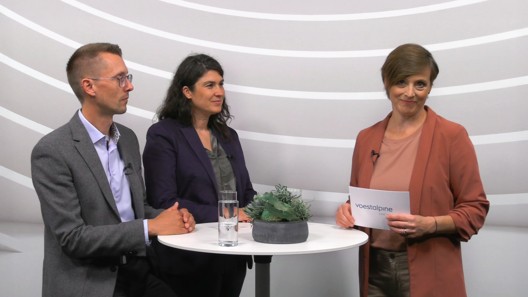
At Car Body Parts 2026, Daniel Roman Fritz and Andreas Pichler presented the approach to sustainable steel production at voestalpine for the automotive industry. The presentation focused on greentec steel, the decarbonization pathway, the voestalpine allocation model, and the technical fundamentals of the future hybrid steelworks (blast furnaces and the EAF route).
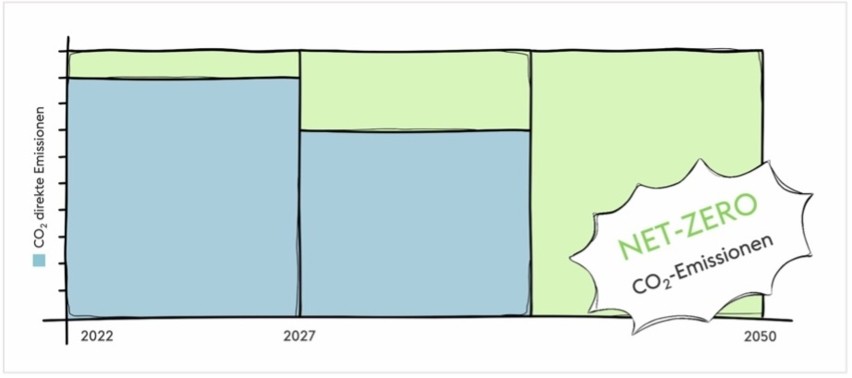
voestalpine aims to achieve hydrogen-based steel production with net zero CO₂ emissions by 2050. A key component of this is the direct reduction of iron ore using green hydrogen and the use of DRI/HBI as input material instead of conventional pig iron from blast furnaces, which has a significantly higher carbon footprint. Hy4Smelt, Austria’s largest demonstration plant operated by voestalpine, Primetals Technologies, and Rio Tinto, lays the groundwork for this development. This transformation follows a clearly structured phased plan:
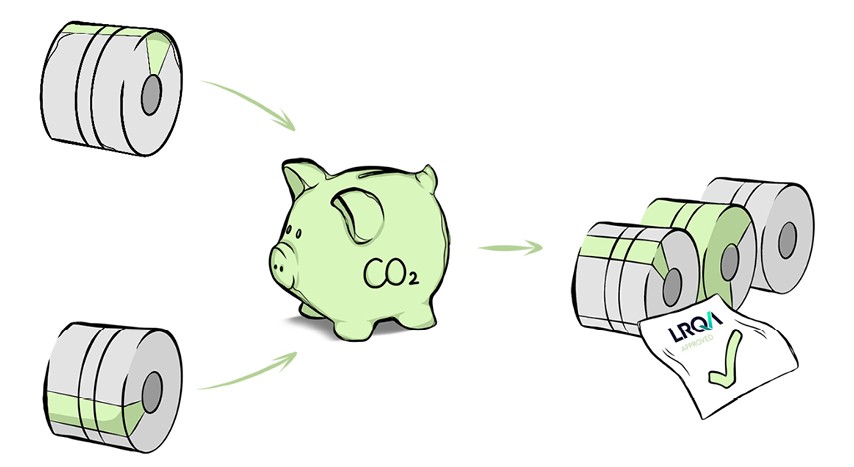
The voestalpine allocation model for carbon footprints ensures that decarbonization remains surprise-free for customers—both in terms of quality and documented emissions. The physically limited quantities of low-carbon steel (greentec steel Edition) are assigned to individual customer orders for accounting purposes. This system offers several advantages:
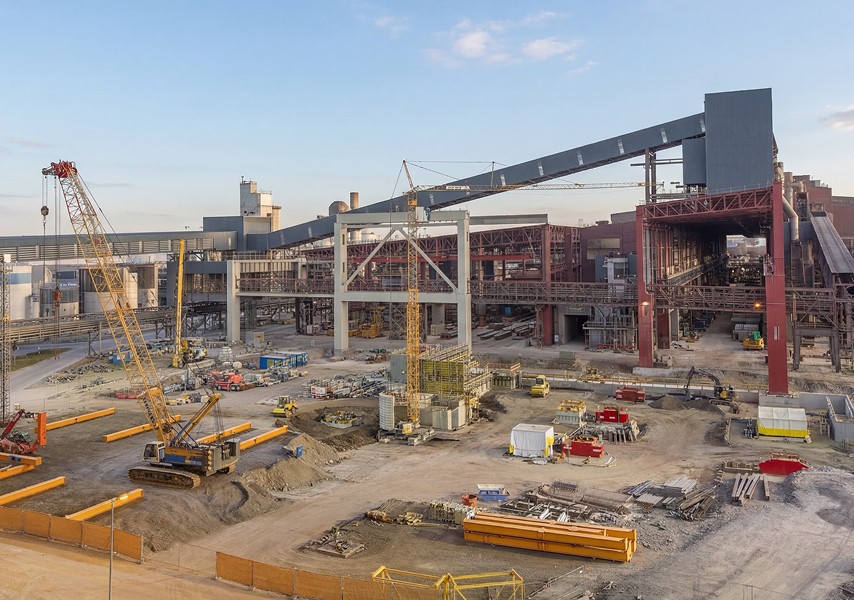
The next major milestone will follow in 2027 with the gradual transition to a hybrid plant structure consisting of a blast furnace, an LD converter and an electric arc furnace. A key feature of this new phase of steel production is that the molten steel produced in the EAF is subsequently also processed via secondary metallurgy. This enables the achievement of extremely low carbon content, reduced nitrogen content and very precise control of the chemical composition. Further processing will then take place on the existing high-end lines.
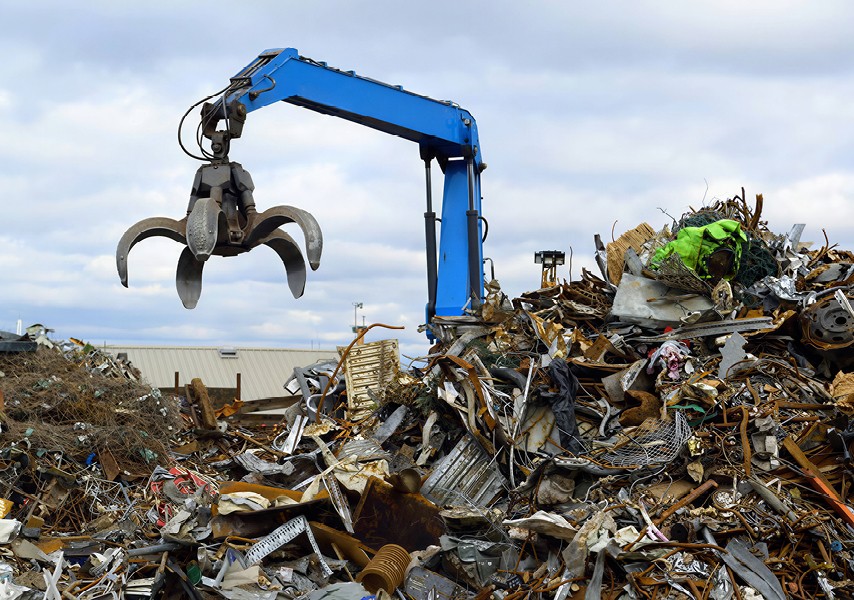
In electric arc furnaces, the raw materials used—especially scrap, hot briquetted iron (HBI) and molten pig iron—have a significant influence on the final chemical composition of the steel and on the potential extent of CO₂ savings. Generally speaking, a high scrap content is particularly advantageous from the perspective of CO₂ reduction. Metallurgically, this presents several new challenges. The use of scrap means that certain impurities remain in the steel, which can affect processes in steel production.
To counteract these effects, voestalpine has already developed successful strategies to ensure high steel quality even under changed conditions.
Preparations for the launch are proceeding according to plan, and no major issues are currently apparent. The transition is being carried out with great care—with the clear aim of reliably combining sustainability with the highest product quality.
The key relationships between raw materials, chemical composition and material properties are well understood and can be reliably controlled through targeted process management and tailored strategies.
Andreas Pichler, Head of Research & Development Coil Business Unit, voestalpine Steel Division
With our allocation model, we are making the decarbonization process transparent and ensuring that our customers can continue to rely on the familiar voestalpine quality and properties of our steels.
Daniel Roman Fritz, Sustainability Manager, voestalpine Steel Division
We would be happy to discuss voestalpine’s sustainability strategy and our next steps with you in person.
Please contact us!