Mining
People in Focus
Reading time: 8 minutes
#FavoriteMoments with Matko Bozanic: Insights from the Mining Industry
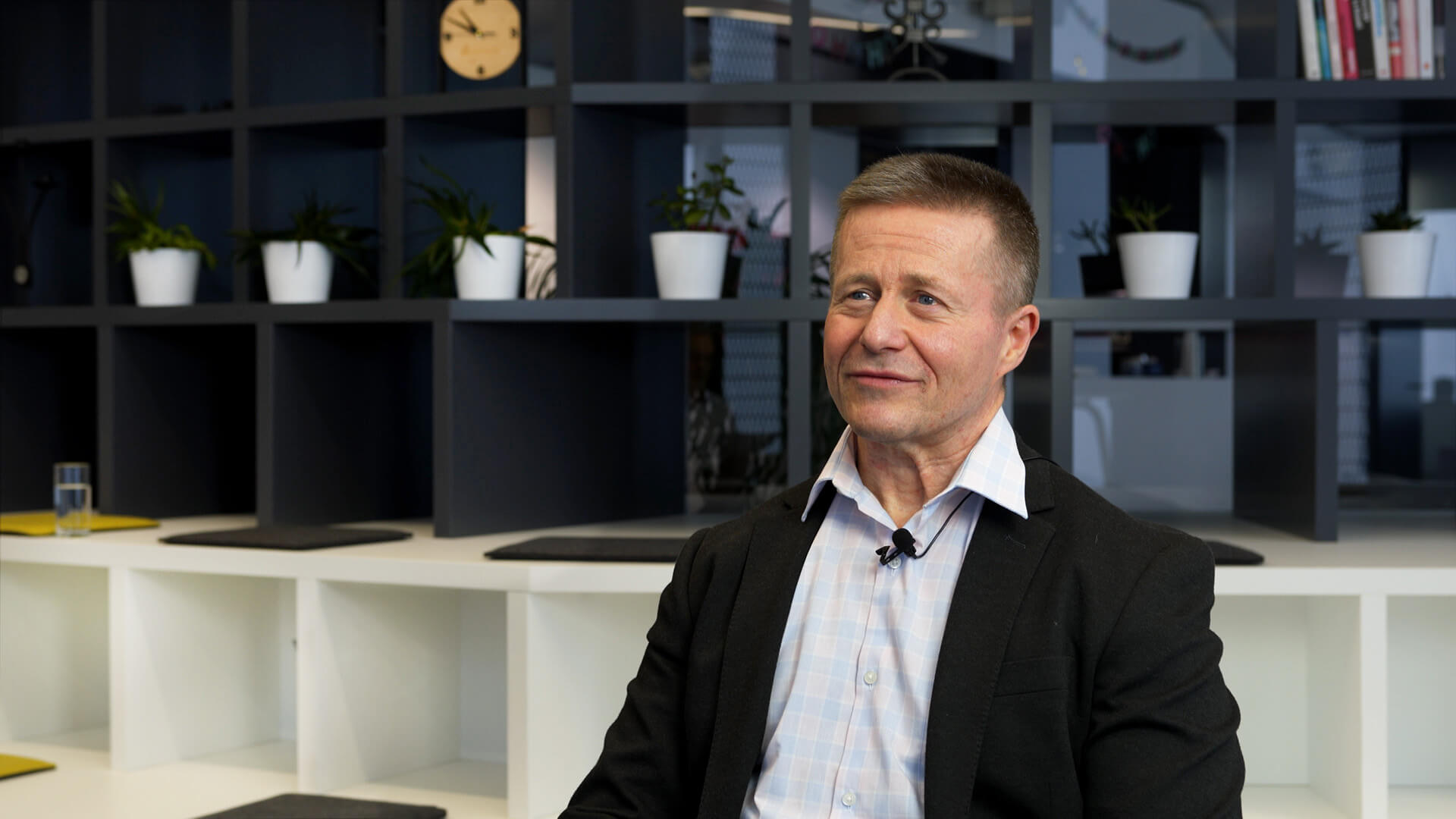
As Managing Director of voestalpine High Performance Metals Australia and Vice President of Sales Industrials—Mining, Matko Bozanic has been with the company for 26 years. In this #FavoriteMoments interview, he shares insights from his experience in the mining industry, both in Australia and beyond.
Alongside this article, a short video interview offers additional perspectives from Matko on the challenges, priorities, and realities of mining and rock handling applications.
Can you briefly introduce your background and current role at voestalpine High Performance Metals?
“I’ve been with the company for 26 years,” Matko said. “I’m currently the Managing Director for Australia, having taken on the role in 2005. Under our new organizational structure, I’m also Vice President for Industrials Sales—Mining, within the new Industrials segment.”
How did your involvement in the Mining market develop over time?
“We’ve always been active in the Mining market. In Australia, the volume of mining‑related business is much higher today than it was 20 to 25 years ago. At the same time, Australia’s tooling industry has declined, particularly with automotive manufacturing closing.
At one point, manufacturing accounted for just over 20% of Australia’s output. Today it’s closer to 8%. As a result, tooling volumes continued to decrease.
Mining had always sat alongside tooling, but as tooling volumes declined—and given that tool steel is a higher‑value product per kilo—we had to think carefully about how to replace that lost business. That’s where we made a conscious decision to invest in mining, both in terms of product mix and service capability. Over the last 20 years, that’s exactly what we’ve done.”
What characterizes the Mining and Rock Handling industry in Australia today?
“For me, the first thing that comes to mind is the service requirement. Mining requires extremely fast turnaround and quick delivery. When equipment breaks down on a mine site, the cost is enormous. These machines can cost tens of thousands of dollars per hour when they’re not operating—in some cases up to USD 100,000 per hour.
When a machine stops, our customer—typically a machine shop—needs material immediately. They want it the same day or first thing the next morning. Waiting two or three days simply isn’t an option. If the end customer needs the part back in operation within 24 hours, then the material has to come from us within eight hours or less, so the component can be machined and delivered to site.
A large part of our mining business is repair and maintenance. In Australia, we don’t have big OEMs manufacturing equipment locally. The machines are built overseas, but maintenance and repair happen locally, often in very harsh environments. Our role is to ensure the steel is available so components can be machined quickly and the equipment can get back into operation.”
What role does tool steel play in creating value for mining customers?
“Replacing a worn component is one thing,” Matko said, “but the second—and more important—aspect is supplying a steel that lasts significantly longer than what’s currently being used. This is the core of our global tool steel strategy in mining, including what we do in Australia. It’s not a volume business, but it is a high‑value business. The idea is to replace lower‑alloy or lower‑priced materials with higher‑grade tool steels.
If a component currently fails once a month, using our tool steel it may last three or four months. That means less downtime, lower total cost of operation, and better efficiency. We’re not talking about the whole machine—we’re talking about critical wear parts that do the hardest work.
Some of these components can wear out every two weeks. The challenge is convincing customers that although the tool steel part costs more upfront, it may last six months instead of weeks. From a total cost‑of‑ownership perspective, the upside is obvious.
Mining customers are traditionally very cost‑focused. That’s why it’s important to reach the right decision‑maker—ideally the end user—or the aftermarket suppliers who compete with OEMs. Once customers see that a component that used to be replaced every three weeks now lasts three months, price becomes much less of an issue. It is quality over quantity and therefore, the total cost of operation is still far better.”
Can you share a typical mining application where performance steels make a difference?
“A good example is underground mining and drilling. Machines use hydraulic drillers to excavate tunnels for gold, critical minerals, iron ore, and other resources. The drill heads and components are constantly pounding rock and abrasive material. Over time, these parts simply wear away due to the harsh environment,” Matko explained.
“We’re not targeting large, high‑volume components like truck bodies or engines. Our focus is on smaller but critical components used in drilling, exploration, and crushing.
Once material is extracted, it often needs to be crushed—sometimes into powder form—before transport. Rollers and crushing components wear out quickly. These are ideal targets for higher‑performance steels that extend service life.”
How do you see the future of mining developing in Australia?
“I think demand will continue to increase, especially with the growing focus on critical minerals. Extraction and exploration techniques for critical minerals can differ from traditional resources like iron ore or coal. That means different stresses, environments, and potentially different material requirements.
This will require close collaboration with customers to identify the most suitable materials. But the fundamentals remain the same: equipment must run 24/7, downtime must be minimized, and repairs need to happen immediately.”
A few of Matko’s #Favorites
- Favorite food: Steak
- Favorite music: Classics from the 80s and 90s
- Favorite film or TV series: The Sopranos.
- Favorite place in Australia: Sydney. Beaches, mountains, regional New South Wales—I love my home state.
Watch the video above to hear Matko Bozanic share his experience and perspective on the Mining and Rock Handling industry.
From service speed and downtime reduction to the role of high‑performance tool steels, Matko’s #FavoriteMoments highlight how voestalpine High Performance Metals supports mining applications in demanding environments—both in Australia and globally.
Discover more
Discover more #FavoriteMoments below, where colleagues from across voestalpine High Performance Metals share their stories, insights, and what they value most in their work.