Fasteners
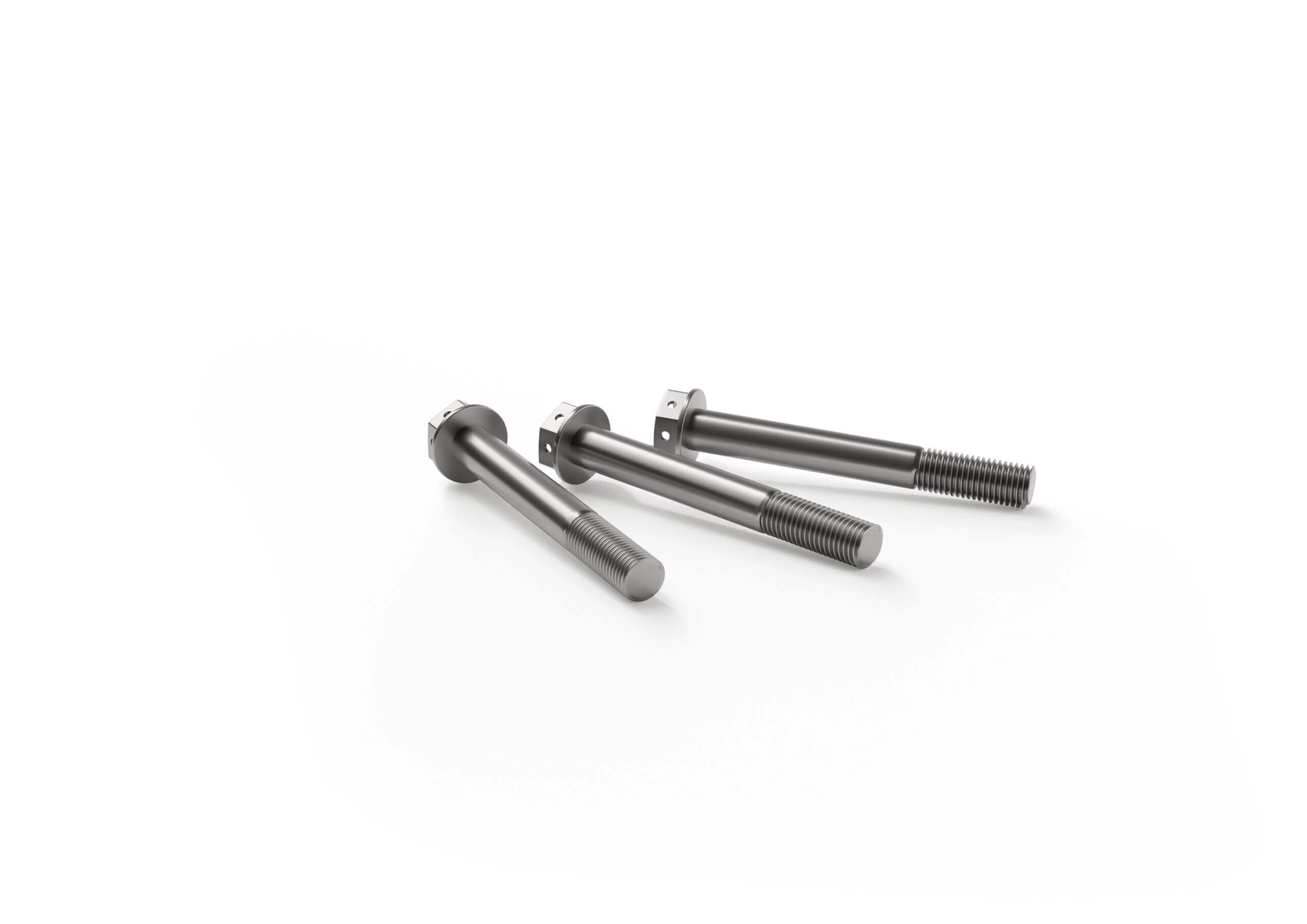
Motorsport fasteners must endure extreme conditions including high stress, intense vibration, elevated temperatures and fluctuating loads. Applications in which the fastener is used determine the exposure to these environments and as such define the types of steel used and properties required to withstand them.
1. Fatigue and Material Limits
2. Sudden Overloads and Torque Spikes
Most Common Causes of Material Related Failure
1. Fatigue and Material Limits
- Repeated stress cycles cause fatigue in fastener threads and heads, eventually leading to cracks or catastrophic failure.
- Even high-end materials reach their limits in high-stressed motorsport environments.
Increased cleanliness: most fatigue failures begin at internal inclusions.
Böhler high-performance steels are often melted and remelted using:
- VIM (Vacuum Induction Melting)
- VAR (Vacuum Arc Remelting)
These manufacturing techniques significantly improve the cleanliness of steels including BÖHLER N709 by eliminating oxide & sulphide inclusions which dramatically decrease the fatigue life of components.
2. Corrosion
- Continued exposure to harsh environments, heat, moisture & chemicals causes oxidation & chemical attack. This reduces mass and load-bearing capacity leading to a greater risk of fracture.
- Pitting corrosion causes microscopic cavities in the material, these pits act as stress raisers, accelerating crack initiation under cyclic loads.
Corrosion Resistance: Stainless & Nickel Alloy Steels
Alloys such as BÖHLER N709 not only offer excellent mechanical properties but also sufficient corrosion resistance to cope with the harshest environments.
To learn more download our OnePager:
Please fill out this contact form for further information
Fields marked with * are mandatory.