
Renewable Energy

Renewable Energy
In addition to technological feasibility, the availability of sufficient quantities of renewables at competitive prices
and their distribution over efficient grids is a fundamental requirement for the decarbonisation of steel production.
This applies both to the implementation of a hybrid technology using electric arc furnaces and to a long‑term
technology transformation based on green hydrogen.
The change to electric arc furnace technology and the associated elimination of the first blast furnace in
Donawitz also mean a reduction in own production from smelting gas generation in the site’s caloric power
plant. The substitution of this elimination and the growing demand for energy by the EAF require an increased
supply of electrical energy. In order to successfully push through decarbonisation of the iron and steel industry, this
additional energy demand will be covered by renewable energies in the region. Where possible, energy potential
should be utilised directly on site.
In addition to safeguarding its electricity supply through supply contracts with domestic energy providers,
voestalpine Stahl Donawitz GmbH is also focused on expanding the Group’s own potential for renewables by
installing photovoltaic systems. Moreover, wind turbines, hydropower plants and other photovoltaic systems are
being developed with regional partners.
With its generation profile, hydropower represents the basic supply of renewable energy to the Donawitz site. The
Leoben Mitte hydropower plant, which is connected to the plant by direct line, supplies around 35 GWh of electricity
per year and so expands own generation from the Mur water plant, which uses Francis turbines to convert cooling
water returned to the Mur into electricity, generating some 8 GWh of electricity every year. Jointly, these two plants
form the basis for on‑site green electricity generation and have the capacity to supply the equivalent of around
12,300 households.
In photovoltaics, existing roof area potential is utilised for on‑site energy generation in order to feed in electricity at
the location and thus cover demand for electricity at the place at which it is generated. Where this is not possible, or
only possible with some difficulty, open‑space plants are considered in order to cover the rising demand for energy
with solar energy. Where technically and economically feasible, the electricity is fed in locally so that transmission
distances are minimised.
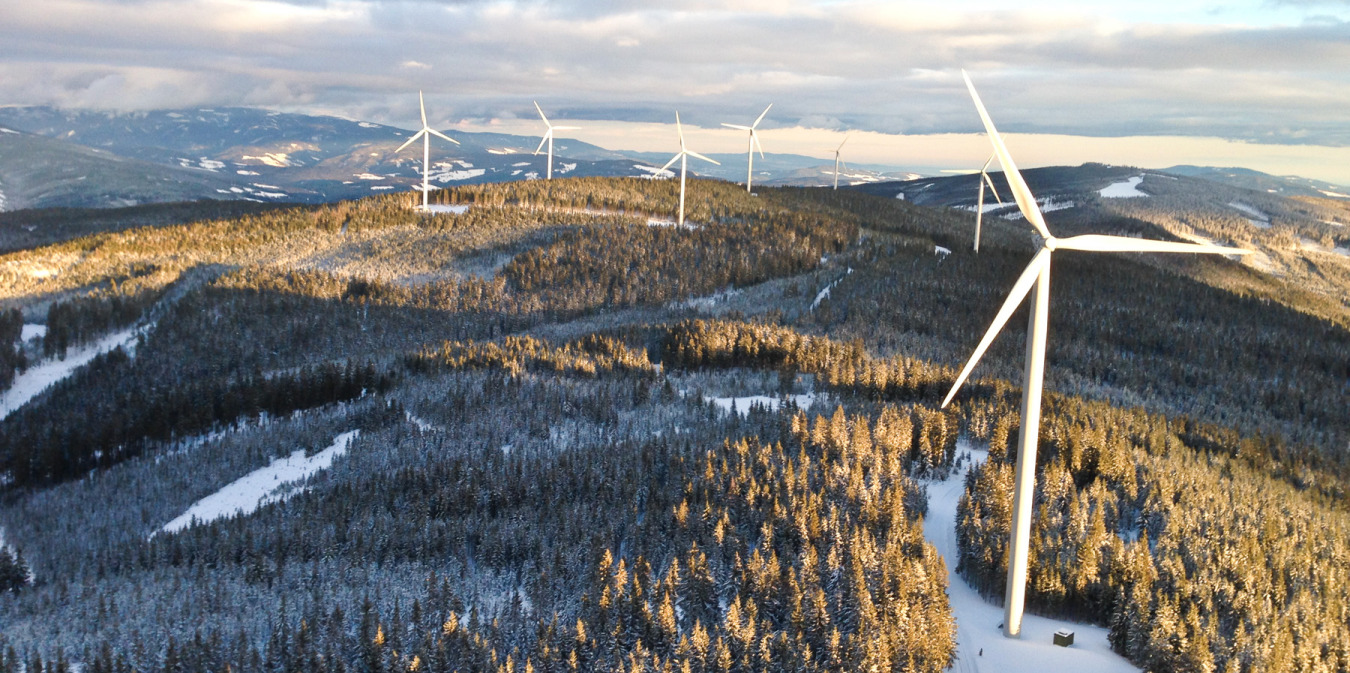
The existing “Power Purchase Agreements” for the Stanglalm and Hochpürschtling wind farms in Mürztal
are another important element of the future energy supply from renewables. These provide around 125 Gigawatt
hours of green electricity per year from the region for the voestalpine sites in Lower Austria and Styria via the public
electricity grid. They help to promote diversification of supply, with a strong focus on regionality.
In order to be fully equipped for the challenges posed by the transformation, extensive new construction and
reconstruction work will be needed on the electricity infrastructure at voestalpine Stahl Donawitz GmbH. This
will include the new electricity connection via the 220 kV transformer station currently being built by APG and
the new 110 kV transformer station that is to be built by Energienetze Steiermark in Leoben, in addition to
internal adaptation of the electricity distribution system.
One of the significant challenges of the future will be handling significantly higher consumption levels by the
EAF, the increased integration of volatile renewables and the exchange of energy between voestalpine and the
high‑voltage and extra‑high voltage grid. This means that a high‑power grid is essential to the success of
decarbonisation and the energy transition at and around the Donawitz site.
voestalpine Stahl Donawitz GmbH will continue to focus on using environmentally responsible technologies, such as photovoltaics, wind power and hydropower, to meet climate goals and take another big leap towards site competitiveness.
Gerhard Enickl, division manager for energy and logistics


