#FavoriteMoments
MedTech
Reading time: 11 minutes
Our #FavoriteMoments: Promoting health, saving lives
Artificial hip joints enable pain-free movement, dental implants give people back their smiles, and surgical instruments save lives. But medical innovation doesn’t begin in the operating room or the doctor’s office—it starts with our development and manufacture of sophisticated materials and solutions for medical technology.
Materials used in medicine must be durable, manufactured with high precision, and biocompatible. “Biocompatible” means that the material is well tolerated by the human body and does not trigger any harmful reactions. Instruments must also be easy to clean and durable. That is why high-quality special steels and special alloys are used in their manufacture, and innovative high-tech coatings are applied to the surfaces of the finished products. Alongside the medical expertise of healthcare professionals, high-quality medtech materials ensure that implants heal safely within the body, prostheses withstand stress for years, and surgical instruments always function reliably.
Steel and special alloys in medicine: indispensable
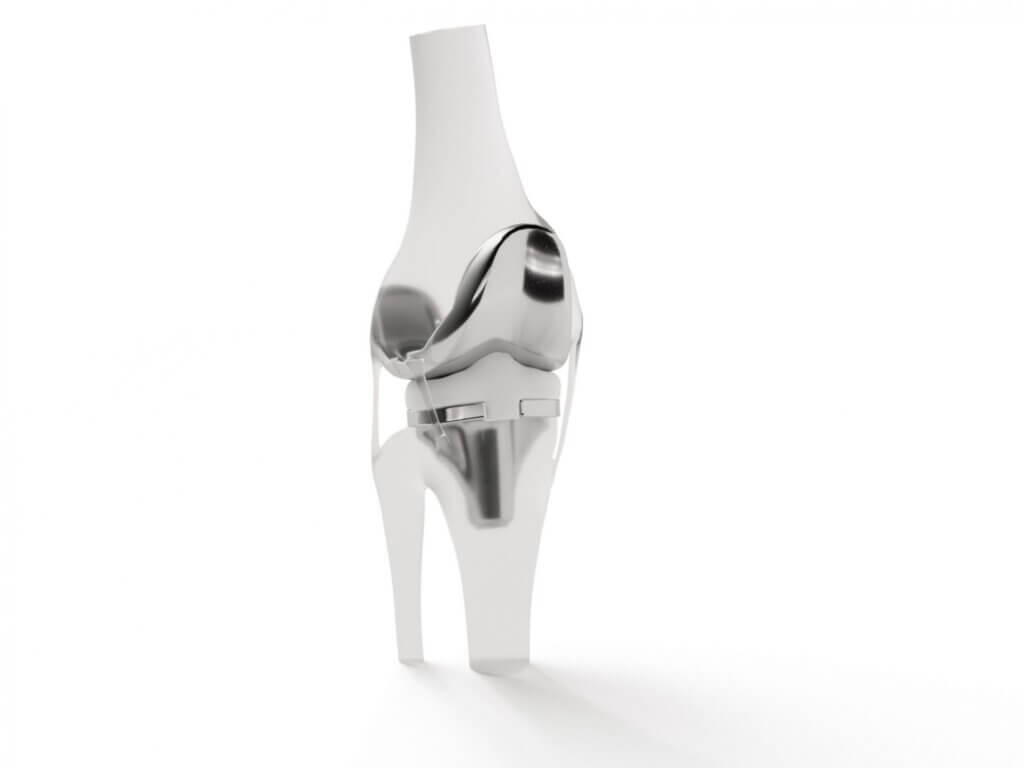
Our products are used both in the field of orthopedics—for example, in hip, knee, or shoulder prostheses and bone plates—and in the dental industry, including the corresponding instrument kits for safe implantation. We meet our customers’ requirements for strength, corrosion resistance, and mechanical compatibility by using special steels, such as biocompatible nickel-cobalt or cobalt-chromium alloys. For instruments such as scissors, forceps, bone rasps, etc., special steels are used almost exclusively; in comparison, only a few are made of titanium. And special steel and cobalt-chromium are also indispensable for prostheses and implants. Why? Titanium is nearly unbeatable in terms of biocompatibility, and its modulus of elasticity—that is, how much a material deforms elastically under load, or its stiffness—is closest to that of human bone compared to special steel or a cobalt-chromium alloy. For these reasons, titanium is often the first choice for hip or shoulder joints. But when it comes to artificial knees, for example, the material reaches its limits.
Stainless steel and cobalt-chromium are also indispensable when it comes to prostheses and implants. Why? Titanium is almost unbeatable in terms of biocompatibility, and its modulus of elasticity—meaning how much a material elastically deforms under load or, in other words, its stiffness—is closer to that of human bone than stainless steel or a cobalt-chromium alloy. For these reasons, titanium is often the material of choice for hip or shoulder joints. However, in applications such as artificial knee joints, the material reaches its limits.
During sports or even when climbing stairs, forces of up to 5,000 N can act on the joint—here, cobalt-chromium clearly has the edge in terms of strength.
Dominik Baumann, Head of our MedTech business
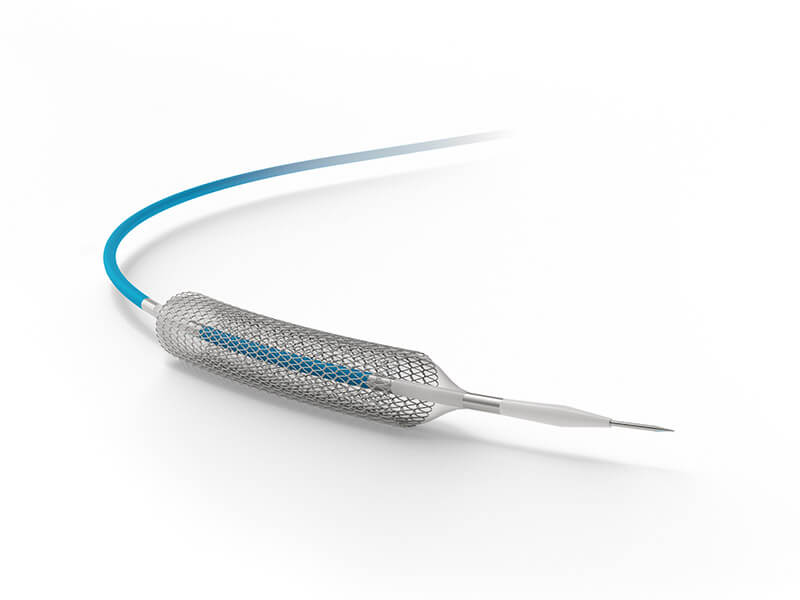
In addition, steel in particular, but also cobalt-chromium, offers cost advantages over titanium. Especially in emerging markets and countries of the Global South, this factor, along with the age of the patients, influences the choice of material. In addition to orthopedic and dental solutions, we also offer products for cardiovascular applications, such as guide wires for stent placement, as well as for spinal applications.
Seizing opportunities, driving innovation
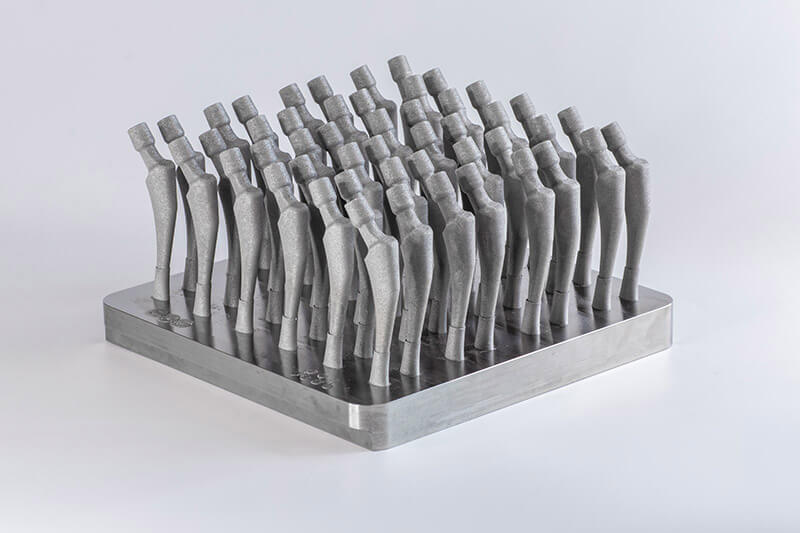
3D printing enables the production of patient-specific implants. The number of printed implants has risen dramatically over the past ten years. Since spring 2025, our Additive Manufacturing Center in Canada has been certified to ISO 13485 (the international standard for the medical device industry).
This allows us to use our own cobalt-chromium and special steel powders from Kapfenberg to produce specialized, 3D-printed, form-fitting solutions that our customers can further process. 3D printing is also gaining momentum in skull reconstruction, where customization is particularly important—we are currently establishing ourselves in this area as well.
Dominik Baumann, Head of our MedTech business
We now aim to tap into a new market for us in the industry—specifically in the field of castings (ASTM F75) for knee joints—as we have already received inquiries for this in-house. Here, we plan to use the wrought alloy Böhler L165, which we have further developed so that it can be optimally utilized as a casting alloy.
Precise coatings for durable dental implants
PVD (Physical Vapor Deposition) coatings have become a real game-changer for dental implants in recent years. They are biocompatible (ISO 10993), smooth, and wear-resistant, optimized for complex geometries and miniature components, and applied with a precise, uniform layer thickness, which eliminates the need for post-treatment. The coatings are also color-matched so that the implant remains invisible even with the widest smile.
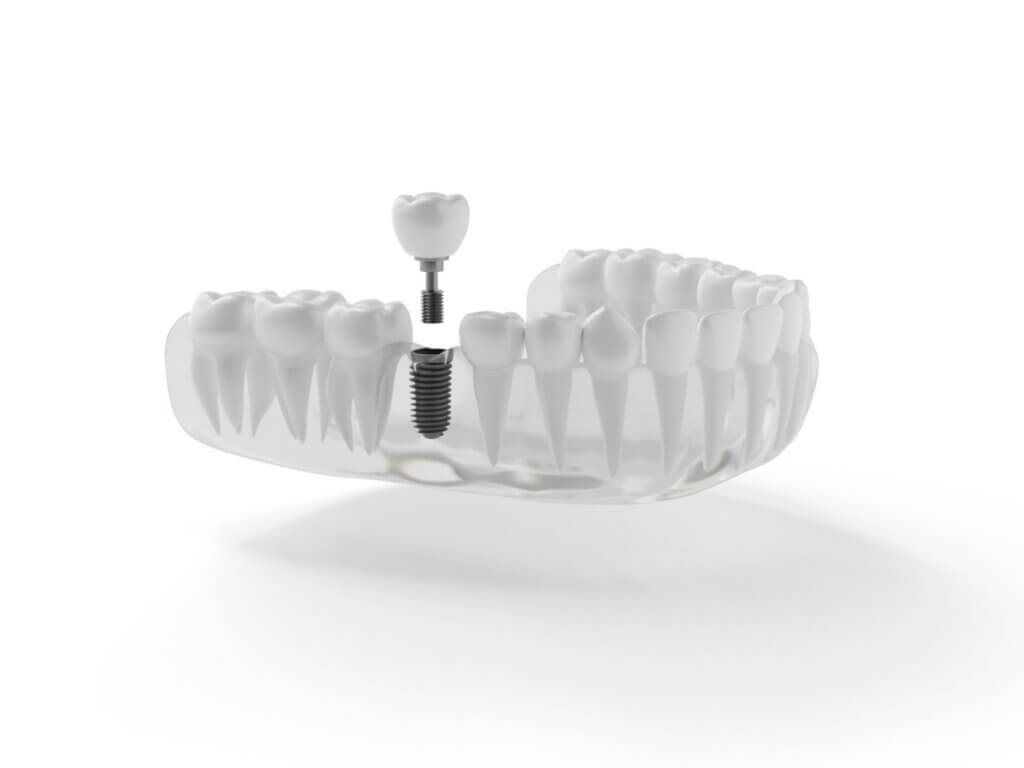
Right on target
Speaking of surface finish: Even minor irregularities on the surface could have a devastating impact on the performance of a medical instrument. This is because bacteria could adhere to these areas and then be transmitted to other patients. That is why we make no compromises when it comes to surface quality. Fortunately, our chromium steels are also distinguished by their excellent surface strength, among other things. Furthermore: When medical or surgical instruments are reprocessed after use for the next procedure, high temperatures or aggressive substances are used for sterilization. The surfaces are therefore also highly resistant to heat, acids, and corrosion.
We have a special solution for the surfaces of surgical instruments: To prevent the glare caused by shiny instruments, we vapor-deposit a deep black, non-reflective layer. It is less than 2.5 micrometers thick, wear- and scratch-resistant, and prevents reflections from the operating room lights.
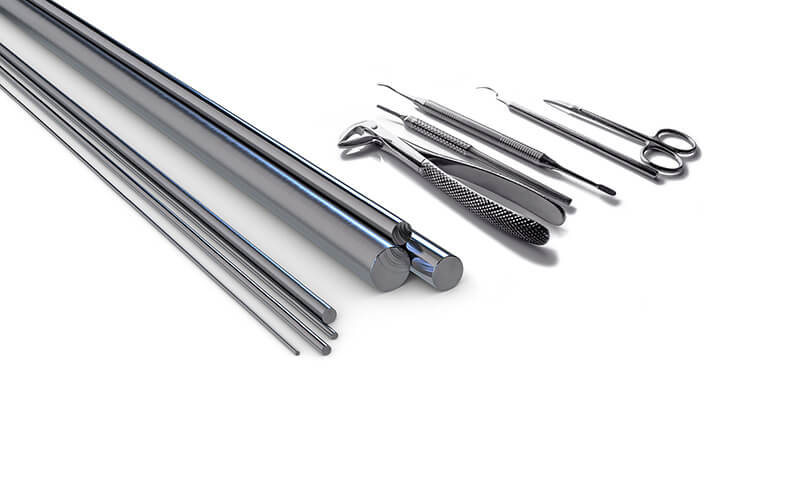
Our Step Ahead: Wires for Brain Pacemakers
For “brain pacemakers” (Deep Brain Stimulation, DBS) used to treat Parkinson’s patients, our customer in the U.S. processes our 0.8 mm wire down to a final diameter of 7–30 µm—up to ten times thinner than a human hair. This creates “cables,” with six such cables connecting the electrodes on the head to the pulse generator—usually implanted below the collarbone—running under the skin. This device sends weak electrical signals to the target areas in the brain on a continuous basis ( ) to regulate faulty nerve signals.
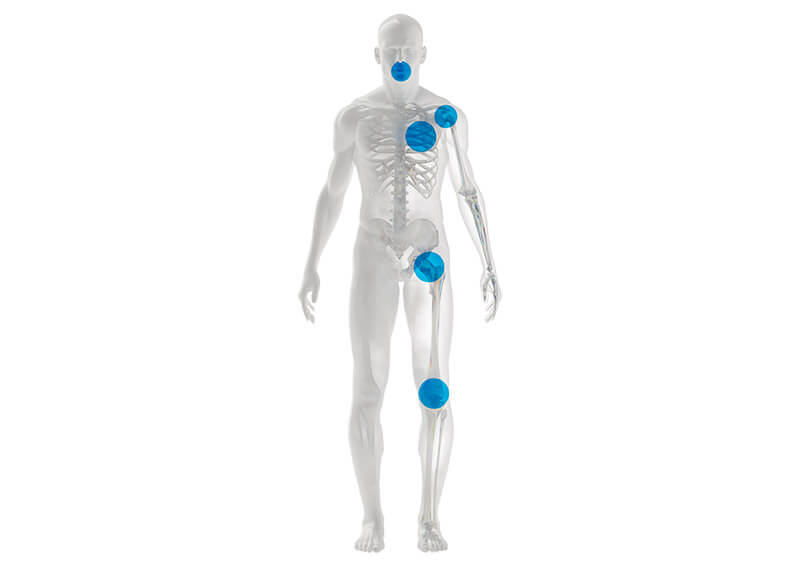
Precision surgical drills
Precision surgical drills for minimally invasive procedures are made of special steel and titanium. This makes the drills particularly durable and corrosion-resistant. CNC manufacturing ensures the highest precision, as precise drilling results in less tissue damage and thus promotes healing.
Ultra-thin incisions, maximum precision
Diagnostic microscopic tissue examinations require precise sections with a thickness ranging from 0.1 to 100 µm. The blades for the “microtome”—the cutting device used for such thin sections—come from our Swedish facility in Munkfors and are manufactured from 3-mm-thick strip steel. We cold-roll the raw material—which is perfectly balanced in terms of edge sharpness, corrosion resistance, and wear resistance—to the thickness of the microtome blades, approximately 250 µm.
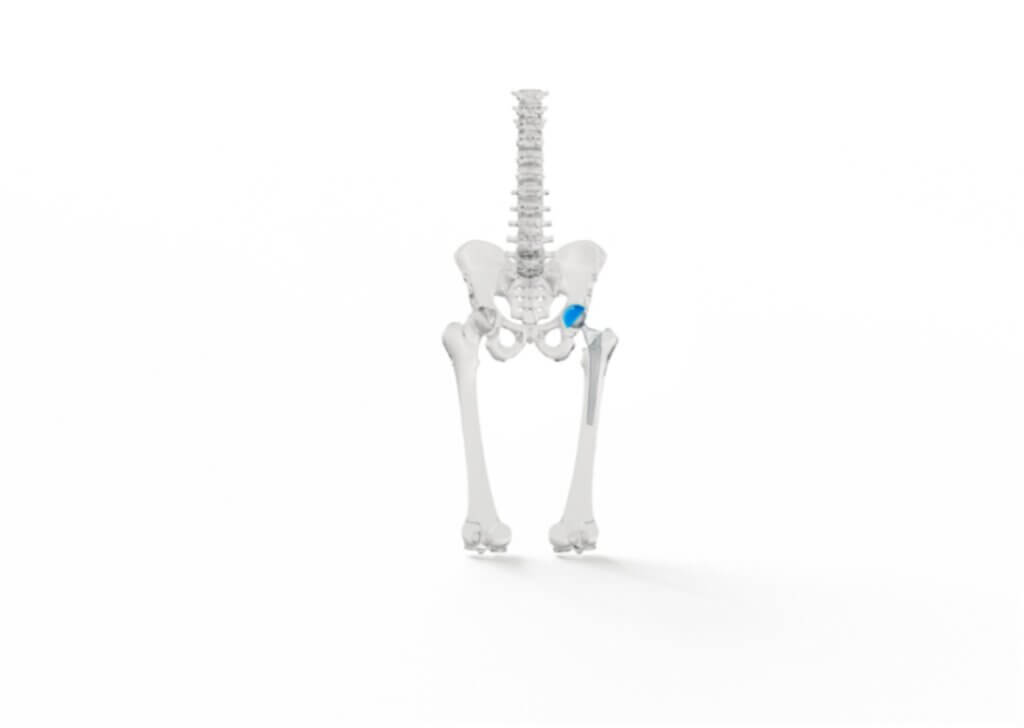
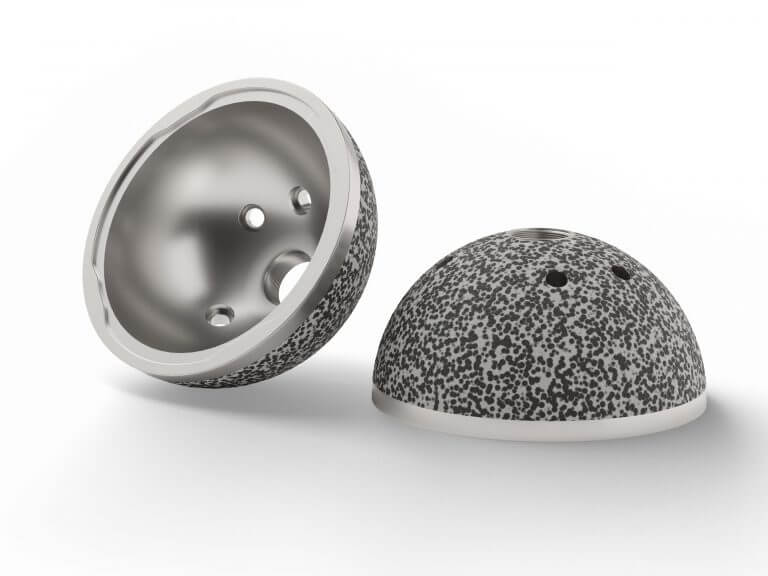
Quality of life and the joy of movement: Our solutions, such as those for hip joints, contribute to significant pain reduction and improved mobility. They are characterized by high durability.
Whether implants, surgical instruments, coatings, or ultra-fine wires: Our materials and solutions meet the highest standards of precision, safety, and durability. They are the result of decades of materials expertise, continuous development, and close collaboration with medical device manufacturers around the globe.
With our MedTech products, we make a decisive contribution to restoring patients’ quality of life, accelerating healing processes, and making medical procedures safer—often working invisibly in the background, yet indispensable for millions of patients worldwide.
Find out More
voestalpine High Performance Metals specializes in the production of technologically advanced high-performance materials. As a leading supplier for medical technology, we meet your needs for advanced materials. Find out more about voestalpine solutions for MedTech here.
Contact our experts to discuss how voestalpine HPM can support your MedTech needs today!