Additive Manufacturing
Materials & Components for the Oil & Gas Industry
As a global leader in steelmaking for more than a century, voestalpine delivers the highest-quality materials—from mill-produced specialty metals to custom forgings and tube & pipe solutions—all backed by unmatched technical expertise and long-term reliability.
We specialize in nickel alloys, duplex and super duplex grades, ferritic and martensitic stainless steels, as well as austenitic steels, providing tailored material solutions for the most demanding applications.
Our customers benefit from the unique flexibility of mill-produced made-to-spec orders combined with rapid-response availability from our extensive local stock network. This ensures fast, dependable supply—no matter the project size or urgency.
With key end-user approvals, global distribution channels, and dedicated local support in every major oil and gas hub, voestalpine provides true one-stop-shopping for demanding applications.
| Market Grade | UNS | Böhler Grade | Villares Grade | Bar | Billet | Wire Rod | Sheets/Plates | AM Powder |
|---|---|---|---|---|---|---|---|---|
Alloy 718API | N07718 | L718API | VAT718 | ● | ● | ● | ● | ● |
Alloy 925 | N09925 | L925 | VRC925 | ● | ● | ● | ||
Alloy 400 | N04400 | VRC400 | ● | ● | ● | |||
Alloy 625 | N06625 | L625 | VRC625 | ● | ● | ● | ● | ● |
F51 Duplex | S31803/S32205 | A903 | N4462 | ● | ● | ● | ||
F53 Super Duplex | S32750 | A913 | VF53 | ● | ● | ● | ||
F55 Super Duplex | S32760 | A911 | N4501 | ● | ● | ● | ||
F61 Super Duplex | S32550 | A930 | N4507 | ● | ● | ● | ● | |
Nit 50 | S21800 | P511 | VXM19 | ● | ● | ● | ● | |
Nit 60 | S21800 | P513 | VXM218 | ● | ● | ● | ● | |
Ti Grade 2/5/7/12 | R50400/6400/2400/3400 | ● | ● | ● | ● |
For a more extensive look at our materials, click the categories below.
The main component of nickel-based alloys is the element nickel. Nickel-based alloys are mainly used as high-temperature materials and as chemically resistant materials, whereby the resistance to the high operating temperatures and the ambient conditions is determined in particular by the alloying elements chromium, molybdenum, cobalt, tungsten and aluminium, among others. On the one hand, the alloying elements are responsible for solid solution hardening of the austenitic Ni solid solution, but on the other hand they are also used for precipitation hardening and particle strengthening. Depending on the required properties, nickel-based alloys often contain more than ten different alloying elements. The permanent operating temperatures of nickel-base alloys are up to about 1,100 °C. Nickel-iron, nickel-iron-chromium, nickel-chromium, nickel-molybdenum-chromium and nickel-chromium-cobalt alloys are used in particular. Most nickel alloys are classified according to international standards. Nickel materials are used in a wide range of applications, especially in:
Nickel-based superalloys refer to alloys with a special composition that are produced specifically for high-temperature applications (e.g. in engine construction). The main advantage of nickel-based superalloys is their creep and fatigue strength at high temperatures. From about 550 °C, they are superior to high-temperature steels in this respect. Precipitation hardening by intermetallic phases means that nickel-base superalloys can be used up to temperatures of 1,100°C. The properties are generally influenced by the creep and fatigue strength of the nickel-base superalloys. The properties are usually achieved by alloying with aluminium and/or titanium and niobium. The resulting Ni3[Al,Ti, Nb] precipitates take on a characteristic block-like structure at higher alloy contents. In addition, creep is prevented by thermodynamically controlled grain boundary networks of M23C6 carbides and other phases. Since the corrosion resistance of the alloys is also very high due to the formation of a very dense oxide layer, these materials are the first choice for construction materials in gas turbines of power plants and in aircraft turbines. Depending on the requirements and the alloying situation, nickel alloys are preferably melted in air in electric arc furnaces, sometimes also in vacuum induction melting processes, especially if they contain high contents of oxygen affine elements, e.g. Ti and Al. This is usually followed by remelting using the electroslag remelting process (ESR) or the vacuum arc furnace process (VAR) to improve homogeneity and the degree of purity. The chemical composition in general often requires narrow temperature windows for hot forming and heat treatment.
Related Products
BÖHLERL718 API (UNS N07718) is a high-strength, corrosion-resistant nickel-chromium-iron-molybdenum material with excellent corrosion resistance, especially in H2S and CO2 environments. The alloy is age-hardenable due to the addition of niobium, titanium and aluminium. BÖHLER L718 API is recognised by the oil industry for its simple and cost-effective production in combination with good tensile, fatigue, creep and fracture strength and is used in a wide range of applications in this sector. BÖHLER L718 API has excellent weldability and is resistant to cracking after welding. The material can be used at high temperatures. BÖHLER L718 API is available in the NACE/API 6A CRA versions with a minimum yield strength of 120/140 ksi and also in the high-strength version with 150 ksi. All hardness grades are suitable for sour service and can be used for pressurising and pressure-controlling equipment in corrosive environments. Typical applications include packers, pumps, connectors and fasteners as well as gate valves, throttle spindles, pipework hangers and fire safe valves, but also a wide range of downhole and completion components, nuclear and surface applications.
Read MoreStainless duplex steels have a structure consisting of around 50 % ferritic and around 50 % austenitic microstructure. In order to achieve this mixed structure, ferrite formers (Cr, Mo, Si, W…) and austenite formers (Ni, N, Mn) are brought into a balanced relationship with one another. The ferrite-austenite balance is determined not only by the alloy composition, but also by the heat treatment.
Duplex stainless steels are categorised according to their corrosion resistance, which in turn depends on the alloying elements. The most common indicator for this is the Pitting Resistance Equivalent Number (PREN) calculated according to the formula %Cr + 3.3 %Mo + 16-30 %N.
Lean duplex grades (such as EN 1.4362/UNS S32304) have a PREN value of 22 to 27, a comparatively low nickel content and are not or only slightly alloyed with molybdenum. They are best suited for less aggressive conditions.
Standard duplex steels (the most common representative is grade EN 1.4462/ UNS S32205) have a PREN value between 28 and 38, contain 22 % chromium and 3 % molybdenum. They cover the medium range of corrosion resistance.
Super duplex steels (e.g. grade EN 1.4507/UNS S32520) have a PREN value between 39 and 45 and are alloyed with 25 % chromium, 3.5 % molybdenum and 0.22 % to 0.3 % nitrogen. Hyper-duplex steels have a PREN value > 45. Super and hyper-duplex steels are intended for particularly aggressive conditions, usually in the oil and gas industry.
Duplex steels usually have twice the yield strength of standard austenitic grades and are magnetisable in proportion to their ferrite content. Compared to standard austenitic grades, duplex steels are generally more resistant to stress corrosion cracking due to their lower Ni content.
Due to the strong tendency to precipitate and the associated embrittlement, the continuous service temperature of all duplex steels is limited to approx. max. 300°C and therefore size/wall thickness restrictions must be taken into account during production.
Related Products
BÖHLER A903 (UNS S32205) is the most common stainless ferritic-austenitic Cr-Ni-Mo steel with nitrogen addition. In addition to good strength properties, this steel offers high corrosion resistance, especially against stress corrosion cracking in chloride-containing solutions, and is resistant to intergranular corrosion up to 300°C. The alloy should not be used at temperatures above 300°C due to embrittlement. Heat treatment after welding is not necessary. Required surface finish: pickled, scale-free heat treated or machined. Commonly used in the oil and gas industry, hydroelectric power, pressure vessels, pulp and paper industry, components and chemical tanks, such as parts for separators and heat exchangers and parts in the paper industry, oil and gas extraction , compressors, seawater desalination.
Read MoreBÖHLER A911SA is a ferritic-austenitic stainless steel of Type 25%Cr with PREN of min. 40. It offers excellent corrosion resistance against general corrosion, stress corrosion cracking, corrosion fatigue, pitting, crevice and erosion corrosion and possessing very high mechanical strength properties. However, it contains less copper compared to other super Duplex SS but a deliberate addition of tungsten instead, claimed to selectively improve corrosion resistance. Good weldability, post weld heat treatment not necessary. Max. temperature for long periods of service: 280°C (535°F ) / (300°C/570°F possible for short periods). Surface condition for optimum corrosion resistance: pickled or machined. Components in offshore, waste water, sea water desalination and chemical plants with aggressive chloride-containing media e.g. heat exchangers, separator parts, compressor and pump components, turbine blades.
Read MoreThe most important alloying elements of such steels are Cr and Mo. A ferritic, body-centred cubic solid solution structure can be achieved through a special balance of the alloying elements. Cr, Mo and others act as strong ferrite-stabilising elements. The elements stabilising the austenite, such as Ni, Mn, C, N, are kept very low. The Cr content of ferritic stainless steels is usually between 12 and 28%. In the case of high-performance steels in particular, so-called superferrites, extremely low C and N contents are aimed for, which has a positive effect on the toughness characteristics. Ni is added in small quantities as a toughness-enhancing alloying element. Ferritic steels are highly ferromagnetic.
Corrosion resistance is essentially determined by the Cr and Mo content. Resistance to intergranular corrosion is determined by the free Cr content, i.e. the Cr content in the solid solution that is not bound in the form of Cr carbides.
In general, ferritic stainless steels have a slightly higher strength and are significantly more resistant to stress corrosion cracking than austenitic Cr-Ni-(Mo) steels. Formability, on the other hand, is comparatively poorer, as is toughness, which also depends heavily on the cross-section. Ferritic stainless steels also show a pronounced transition from ductile to brittle fracture behaviour with decreasing temperature.
Due to these limitations, their use is severely restricted to thin-walled products (sheets, strips, pipes) in all industrial sectors and in corrosive media, e.g. for household goods, chemical process technology, magnetic applications and many more.
Martensitic and semi-martensitic stainless steels are ferromagnetic and have a microstructure consisting mainly of a martensitic phase (carbon martensite), possibly with small amounts of secondary phases, mainly ferrite and carbides. Such steels are tempered to higher strengths by heat treatment, e.g. hardening and tempering. The Cr content is approx. 12 to 18%, with proportions of Mo and Ni. Depending on the C and N content and the proportion of ferrite, high strengths and good wear resistance can be achieved with these steels.
Martensitic and semi-martensitic stainless steels have lower toughness and a relatively high transition temperature, are difficult to weld and generally require subsequent heat treatment, which means that their use is usually limited to non-welded parts. In order to achieve a martensitic or semi-martensitic microstructure, the Cr content tends to be in the low range and some of the chromium is bound in carbide precipitates. As a result, the corrosion resistance is comparatively lower and is usually below that of standard austenitic steels. For this reason and also because of their limited toughness, martensitic stainless steels are used where strength and hardness are primarily required, e.g. for cutting tools, general mechanical engineering, shafts and fasteners.
Related Products
BÖHLER N695 is a Chromium alloyed stainless steel with high hardness, wear resistance and good corrosion resistance in the hardened and tempered condition. this grade is typically used for parts requiring hardness up to 58 HRC and resistance to wear, corrosion, and oxidation, e.g. balls, rollers, needles and rings for corrosion resistant bearings, but usage is not limited to such applications.
Read More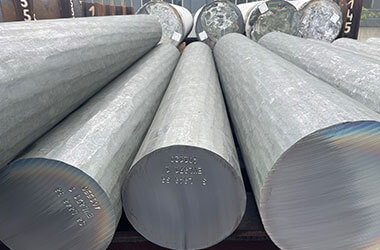
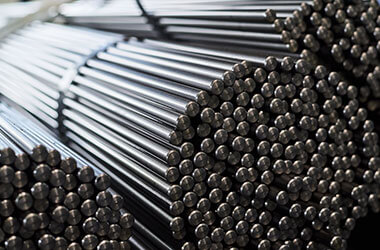
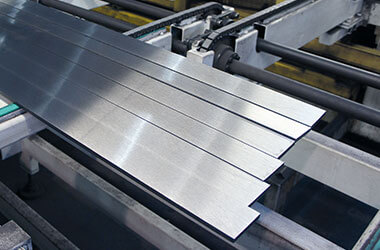
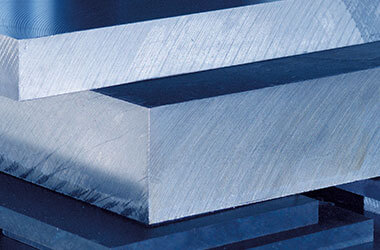
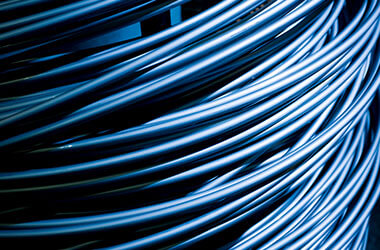
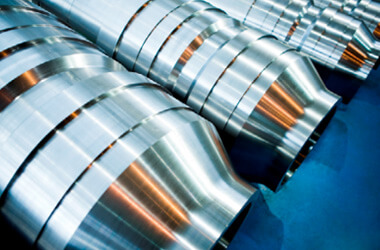
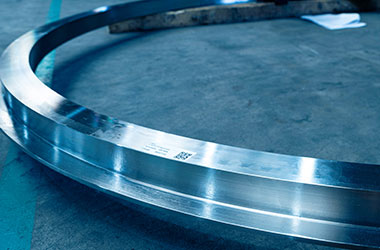
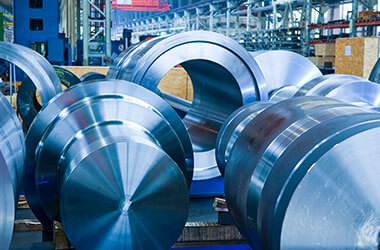
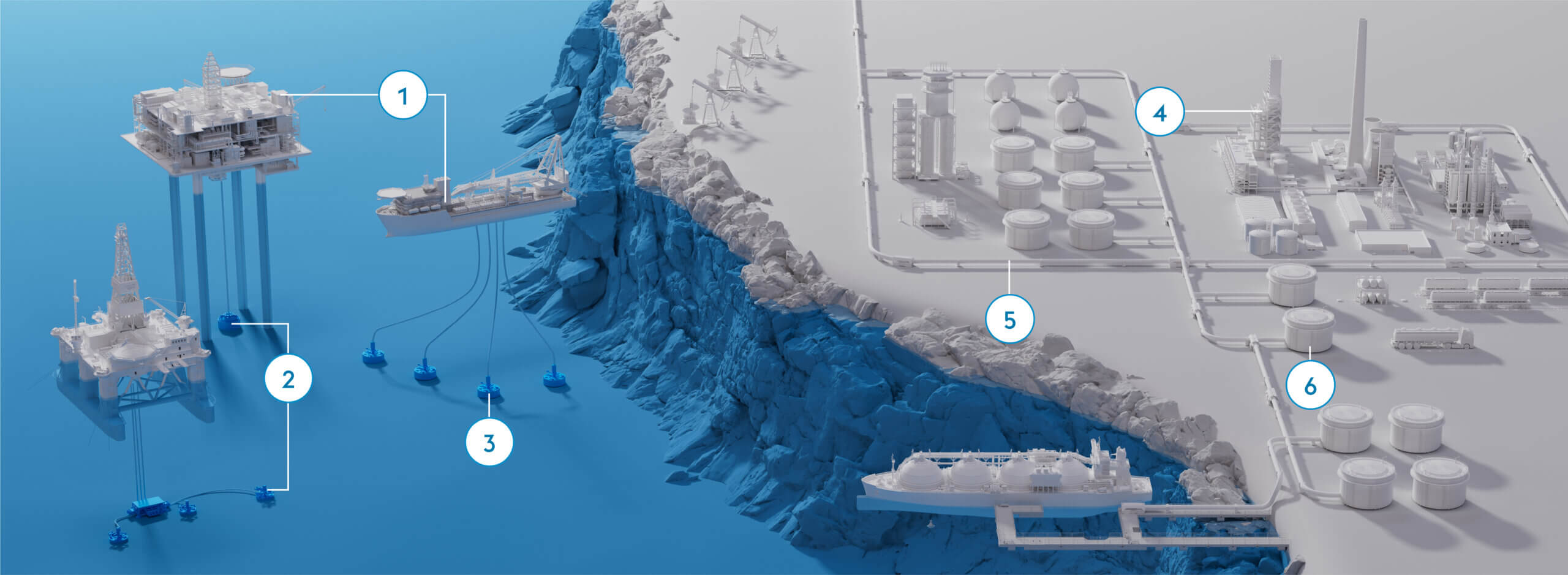
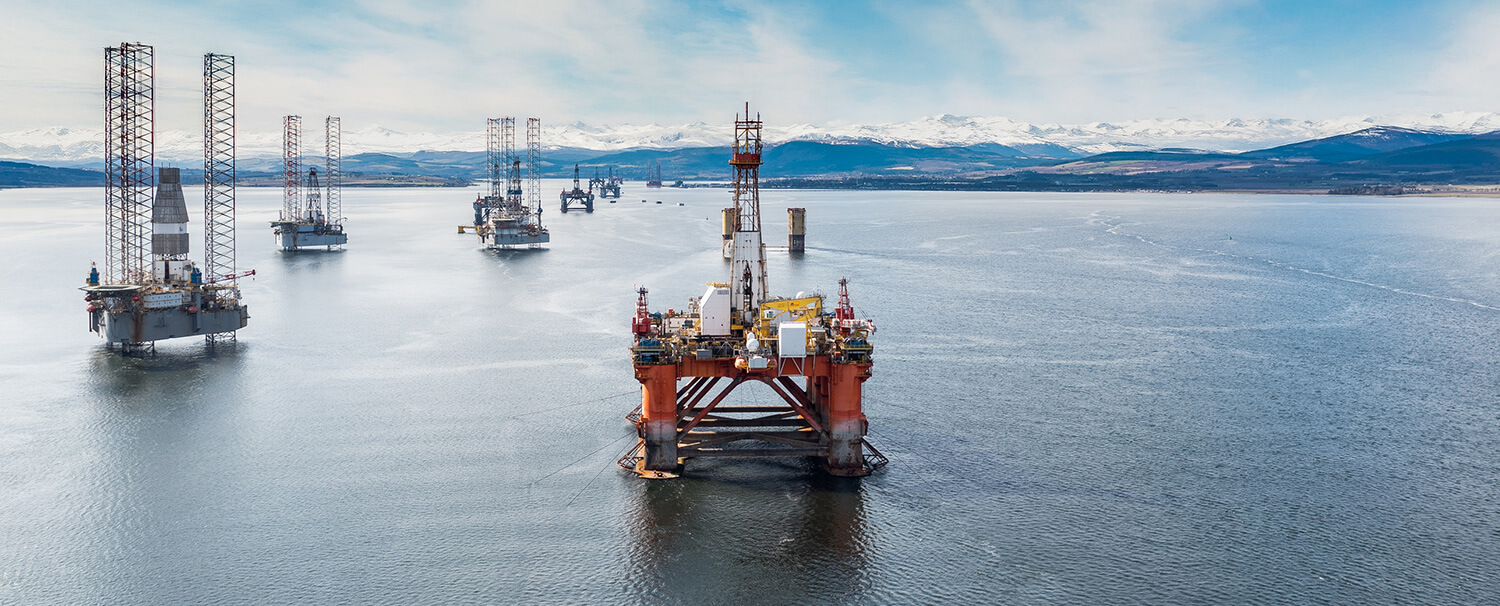
We supply high-performance metals and engineered components for offshore applications, designed to meet the highest standards Whether for platforms, FPSOs, or production strings, our solutions are backed by global stock availability, efficient support for logistics and import, and a supply chain built for predictability and on-time delivery.
In the demanding environment of onshore oil and gas operations, the use of high-quality metals is essential to ensure reliability, safety, and performance across all stages of production and infrastructure. From processing and storage to pipeline systems, precision-engineered metal components are the backbone of critical equipment.
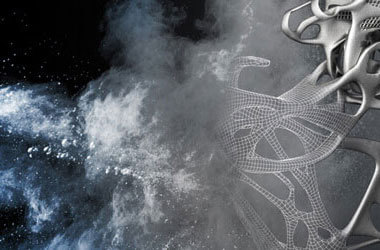
From reverse engineering and alloy development to printing, finishing, and design support, we deliver reliable, production-ready AM solutions for oil & gas, CPI, and renewable applications.
Learn more about our additive manufacturing services for the oil & gas industry here:
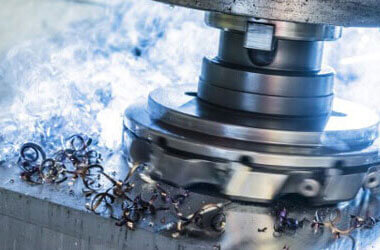
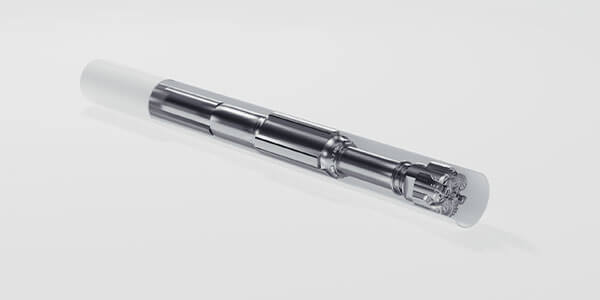
Backed by extensive processing capabilities and trusted partners, we deliver full end-to-end solutions from raw materials to precision-machined components. Our services include cutting, deep hole drilling, turning, honing, heat treatment, straightening, testing, and more. Advanced equipment allows us to achieve superior tole-rances, fine finishes, and excellent concentricity across diverse materials. Leveraging deep expertise in complex alloys and precision machining, we deliver trusted, cost-effective solutions that strengthen our customers’ operations and drive project success.
Have a more in depth look at our top services below!
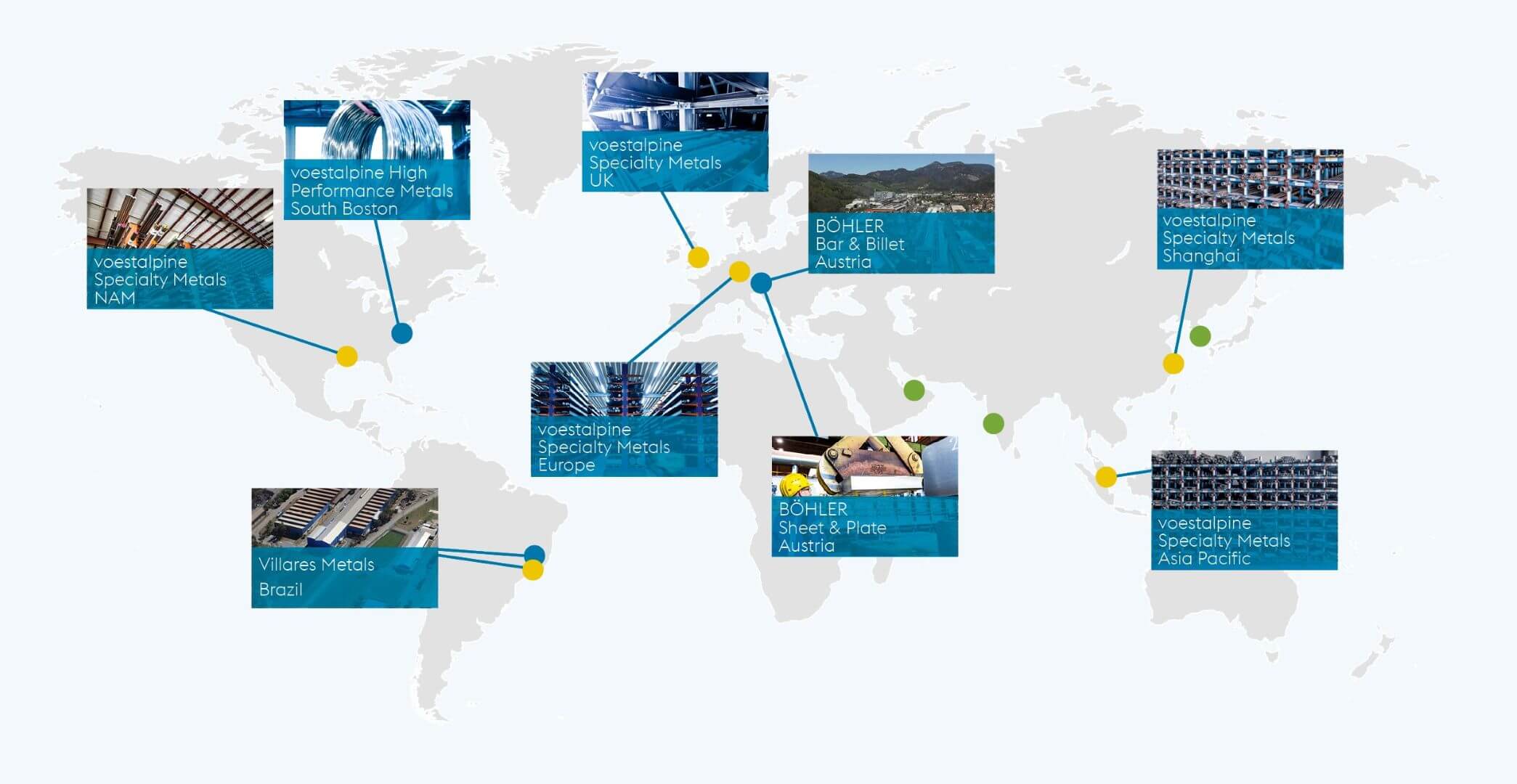
With a globally integrated production and distribution network, voestalpine ensures reliable access to high-performance steels for oil & gas applications—wherever operations take place. Our customers benefit from a seamless combination of mill-origin supply and strategically located service centers, enabling both made-to-spec solutions and rapid local availability. Supported by dedicated experts in key industry hubs, we provide not only materials but also tailored services, technical guidance, and efficient logistics. This close proximity to our customers ensures short lead times, consistent quality, and dependable performance across all regions—delivering confidence at every stage of the supply chain.
voestalpine embodies uncompromising quality, shaped by more than a century of steelmaking expertise and driven by materials science that lives in our DNA. Our relentless focus on consistency and reliability ensures every product meets the highest performance standards. Trusted by the world’s top performers and approved by all major OEMs, we deliver metals engineered for precision, endurance, and confidence—setting the benchmark for excellence across the most demanding industries.
Fields marked with * are mandatory.