Circular Economy

Josephine Müller
Lead of Circular Economy
Phone: +43 503041022561
Send e-mailLet’s use what we have
Ensuring supply security of key raw materials is at the heart of our circular economy activities. This is why we aim to decrease the need for primary raw materials by substituting a significant amount with secondary and recycled resources. We are continuously researching alternative raw materials and how to efficiently recycle by-products. In our melt shops, 81% of our input material already stem from recycled resources. We pursue the ambitious goal to increase that share to achieve a recycling rate of over 90% by 2030. Moreover, we aim to reduce waste in general or reuse it with added value.

Katharina Handler
Contact for Customer Scrap Return
Phone: +43 66488391286
Send e-mailour fields of actions
The most important raw material and a valuable asset for our melt shops is metal scrap. Therefore, establishing closed material loops internally and with customers is essential to ensure a sustainable supply security with this key material, reduce our usage of primary raw materials and improve our carbon footprint. Considering this, we have set ourselves the ambitious target of achieving a share of more than 90% scrap and secondary raw materials in production by 2030 – starting with a recycling rate of 81% in 2019.
> Our goal: Achieving a recycling rate over 90% secondary material in production by 2030 (starting point: 81% 2019).
Besides ferrous scrap, alloy elements like Nickel, Cobalt, Manganese and others are essential ingredients of our products. However, global trends affect the criticality of those raw materials. Hence, we aim to get access via alternative and secondary processing routes, for example through the recycling of batteries or sludges and dusts. We want to be able to substitute a significant amount of our primary raw materials with secondary sources from recycling.
By-products from the production of high performance metals (e.g. scale, dust, ….) contain valuable alloy elements. In order to access these resources efficiently, we work ambitiously on new and optimized processes to recover those elements and reuse the by-products in a sustainable way.
We are constantly exploring and implementing possibilities to minimize our wastes and production residues and reuse them with added value. The collaboration across boundaries of industrial segments is the key to utilize unavoidable leftovers in other industries. Connected to this, we want to get close to the target of zero-waste.
get inspired: blog articles about circular economy
 Division blog
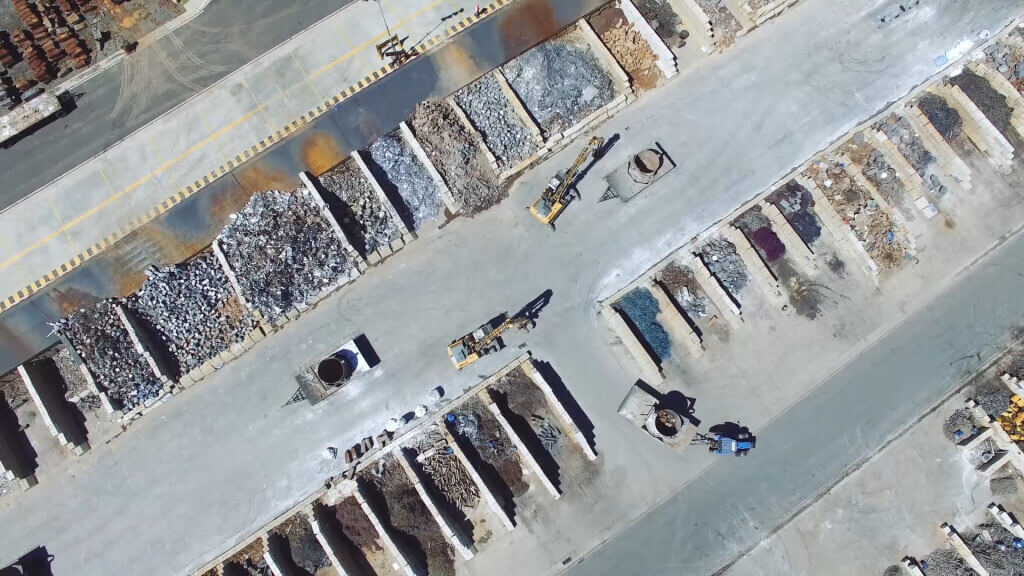
Circular Economy in the HPM Division: From waste to value
Efficient recycling of resources has long been a major concern for us. For this reason, the circular economy represents a key field of action, which we would like to develop further as one of the four supporting pillars in our sustainability framework inSPire.
Read more Division blog
Closing the loop with circular Economy
Sustainable sourcing is much more than just an economic responsibility. When procuring raw materials, companies must eWhereThe concept of the circular economy with a closed material and energy cycle replaces the traditional linear economy. At the High Performance Metals Division, we have set ourselves the goal of consistently implementing this model under inSPire in our business processes, for example through projects to further develop material and scrap cycles and to recycle end-of-life (EOL) tools.
Read more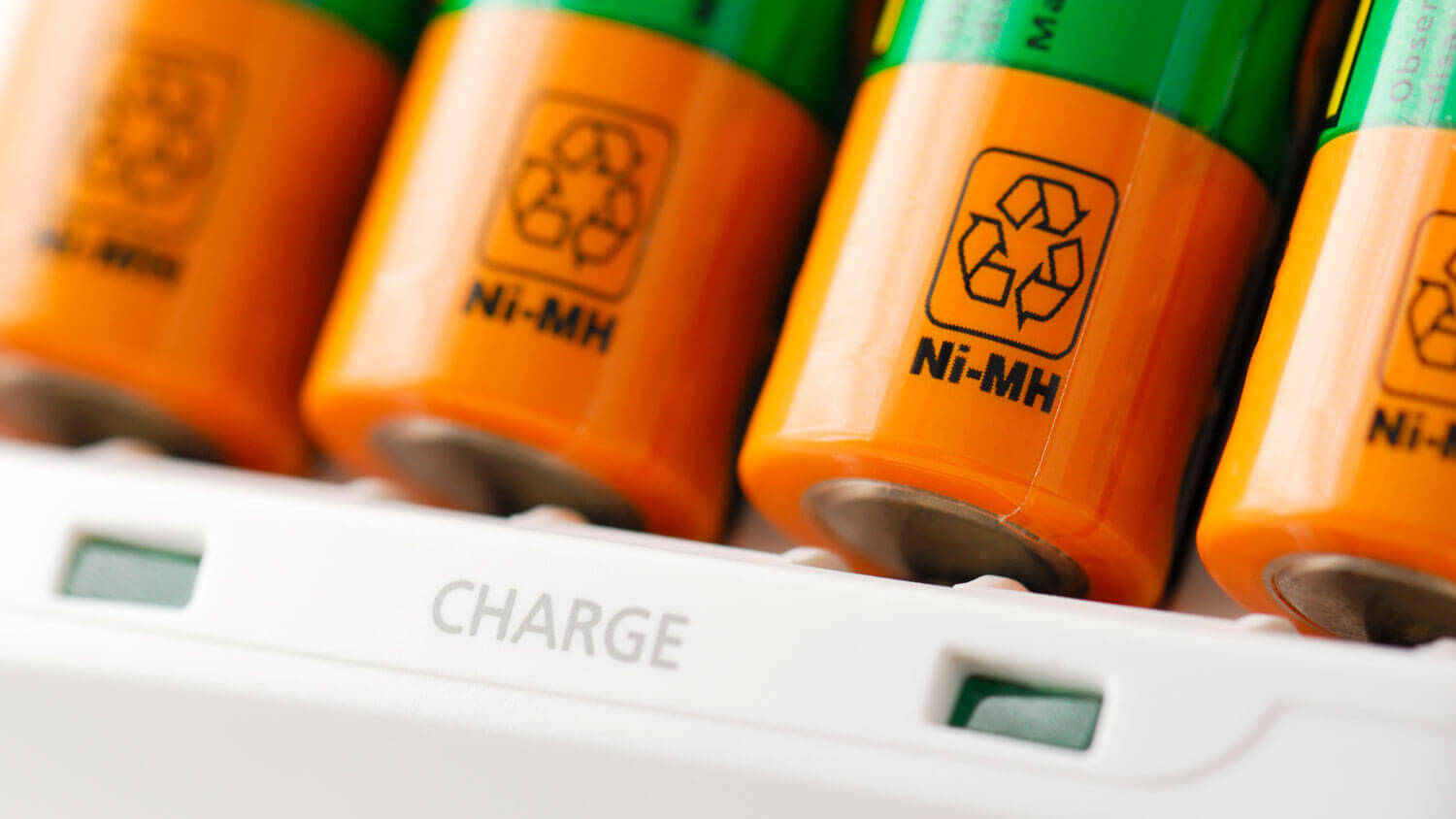 Division blog
Alternative raw material sources: The potential of batteries
In addition to steel scrap, alloy elements such as nickel, cobalt, manganese, and other alloys are essential components of our products. However, various global developments are affecting the availability of these critical raw materials. Within our sustainability framework inSPire, the High Performance Metals Division is looking for long-term ways to keep these valuable elements in the product cycle, for example by recycling grinding sludge or batteries in order to be able to meet demand in the long term.
Read more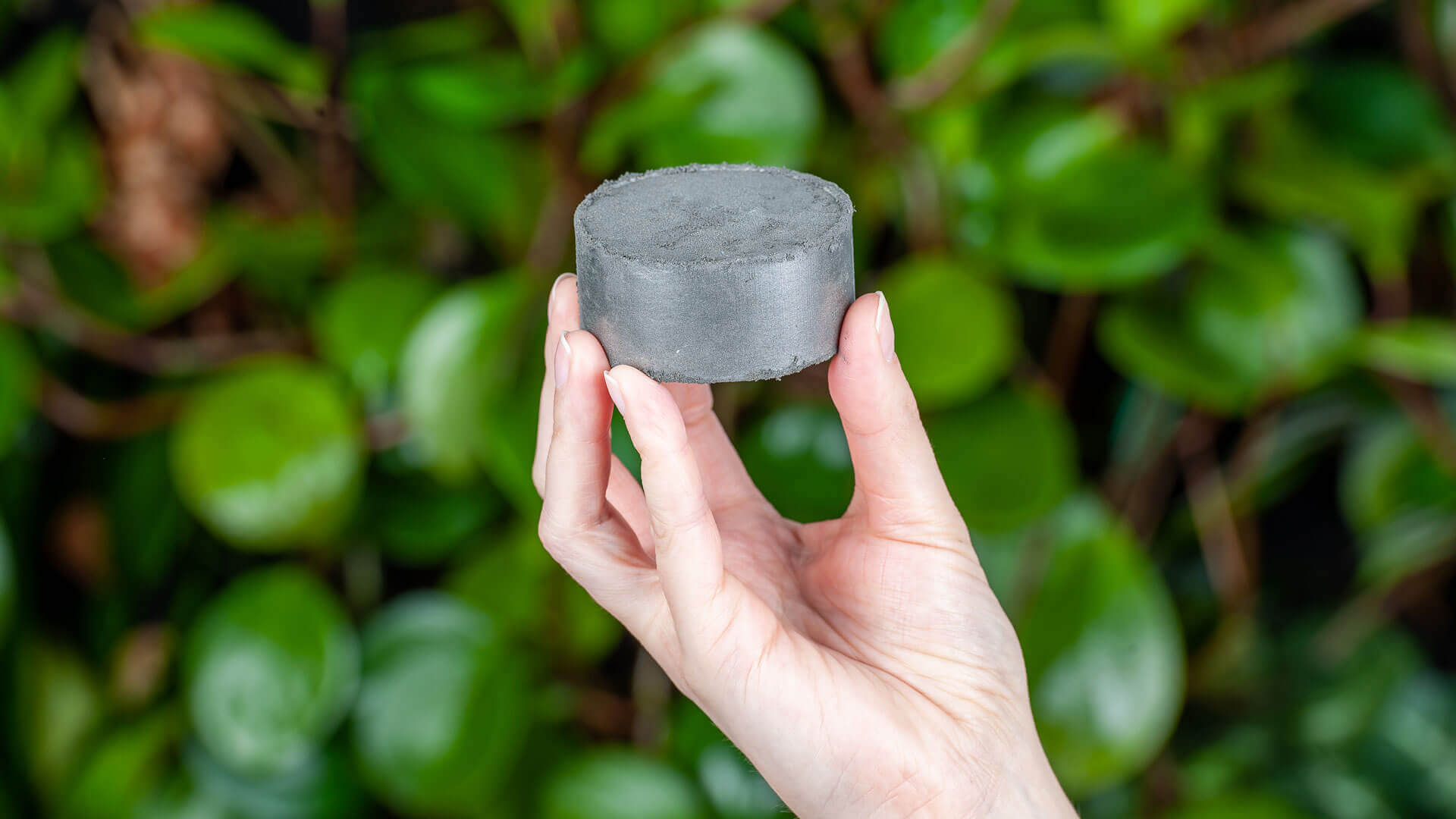 Division blog
Recycling of by-products: “Waste” with added value
Sustainable sourcing is much more than just an economic responsibility. When procuring raw materials, companies must eWherever your maScale, dust, and slag can be used as secondary sources of raw materials—by-products that have traditionally been seen as waste often contain valuable resources. At HPM, we have long been committed to recycling the by-products from our production sites and reintegrating them into the value chain. The inSPire Circular Economy team is working to develop this topic further across several projects. In this article, we take a look behind the scenes.
Read morefind out more about our other inSPire topics: