Corporate Blog
voestalpine AG
How Steel Shapes Modern Automotive Design and Creates #FavoriteMoments

How Steel Shapes Modern Automotive Design and Creates #FavoriteMoments

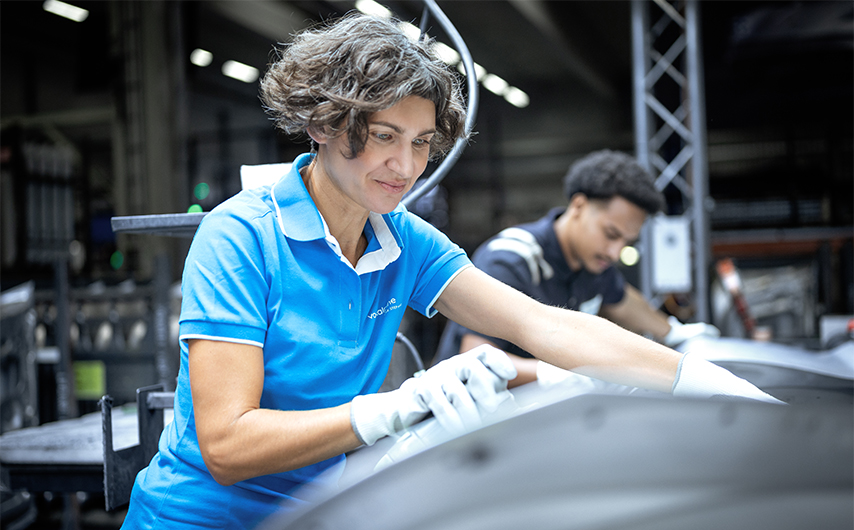
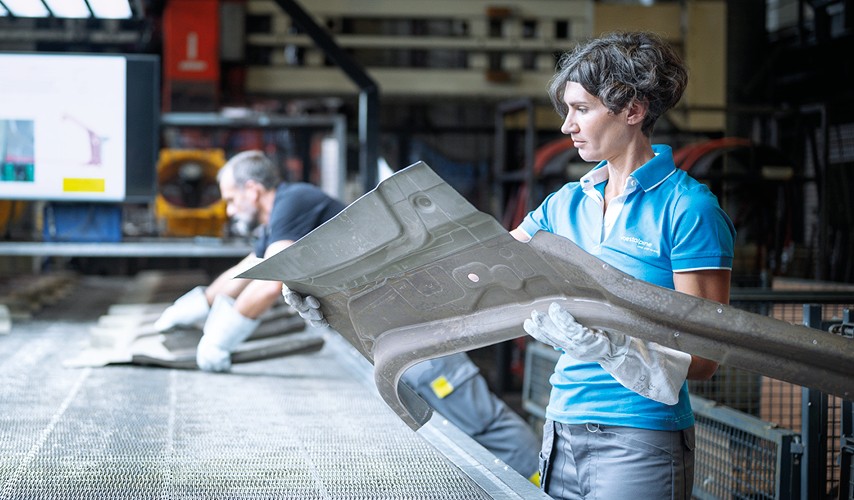
Employee in workwear and protective gloves inspecting a large automotive body component in a production hall.
In this article
 

Both the exterior shape of cars and the interior design are visible brand statements. Even internal components—for example, in the vehicle frame, the powertrain, or the wiring harness—are constantly being redesigned. Steel, as a modern material, combines safety, good formability for functional designs, and sustainability in automotive engineering. This is how #FavoriteMoments are created—for our developers, process engineers, and everyone who loves cars.

Car models from the early 2000s featured softer, rounder shapes in their exterior design. Today, sharp lines, defined edges, and large, uninterrupted surfaces dominate. These modern and more complex geometries are made possible by the development of high-performance steels for automotive manufacturing, as well as more precise design and manufacturing technologies such as laser welding or hot forming, as WorldAutoSteel emphasizes. With defined crash paths, modern-designed hoods, slender A-pillars, and more precise door frames—all made from our high-quality grades at —contribute to the safety of people inside and around the car. At the same time, they ensure visual harmony as well as reduced noise and vibration.

The Crown Jewel of the Automotive Exterior

In the automotive sector, the outer side panel is considered the crown jewel: It is the most visible, technically most challenging to produce, and economically most significant exterior panel of a vehicle. Our voestalpine Automotive Components Bunschoten BV, for example, manufactures these and other ready-to-install Class-A exterior panels—such as hoods, fenders, and doors—as a highly specialized production facility. We manufacture additional body-in-white components across the network of plants within the voestalpine Automotive Components Group.


System-Based Design: Functional Integration and Circularity

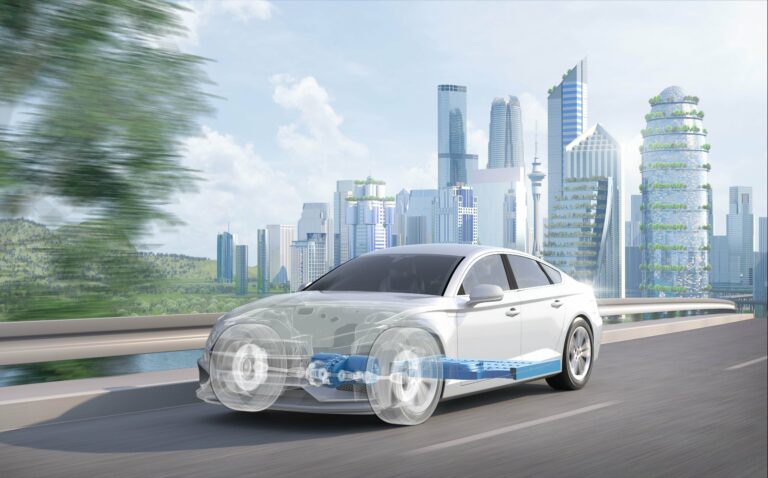
But modern design is no longer limited to the exterior. Inside the vehicle structure, components are designed to perform multiple functions simultaneously: They specifically dissipate crash energy, provide localized reinforcement for the passenger compartment, dampen noise, dissipate heat or provide insulation, and create cable routes and mounting points for electrical systems. Battery packs in electric vehicles must meet stringent crash and fire safety requirements. This functional integration frees up installation space and reduces weight. Using high-strength steels (phs – press-hardening steel) and direct and indirect hot-forming technologies, we manufacture highly functional steel and aluminum structural parts for, for example, A-, B-, C-, and D-pillars, door frames, seat structures, front bulkheads, bumpers, roof rails, sills, cross members, and more.

Employee in workwear and protective gloves working on a component in a production hall, with a colleague working in the background.

At the same time the circular economy is becoming an important design factor: Components are increasingly being designed from a limited number of materials in such a way that they can later be easily disassembled and returned to the material cycle by type. Projects with Audi and Mercedes-Benz have yielded groundbreaking results in this regard. Steel, in a wide variety of grades, excels in many multifunctional or modular applications.

Tools That Shape Modern Products

For our own automotive parts production as well as for customers in the automotive industry, we also develop and manufacture the tools that shape components through stamping, embossing, cutting, forging, die-casting, extrusion, drilling, milling, and much more. We are a global market leader in this field.

Interior: Where Steels Provide Softness

Modern interior design and appealing tactile qualities—such as those of the dashboard, door panels, or center console—are also often achieved using durable tool steels that mold plastic injection-molded parts with precise and varied surfaces.

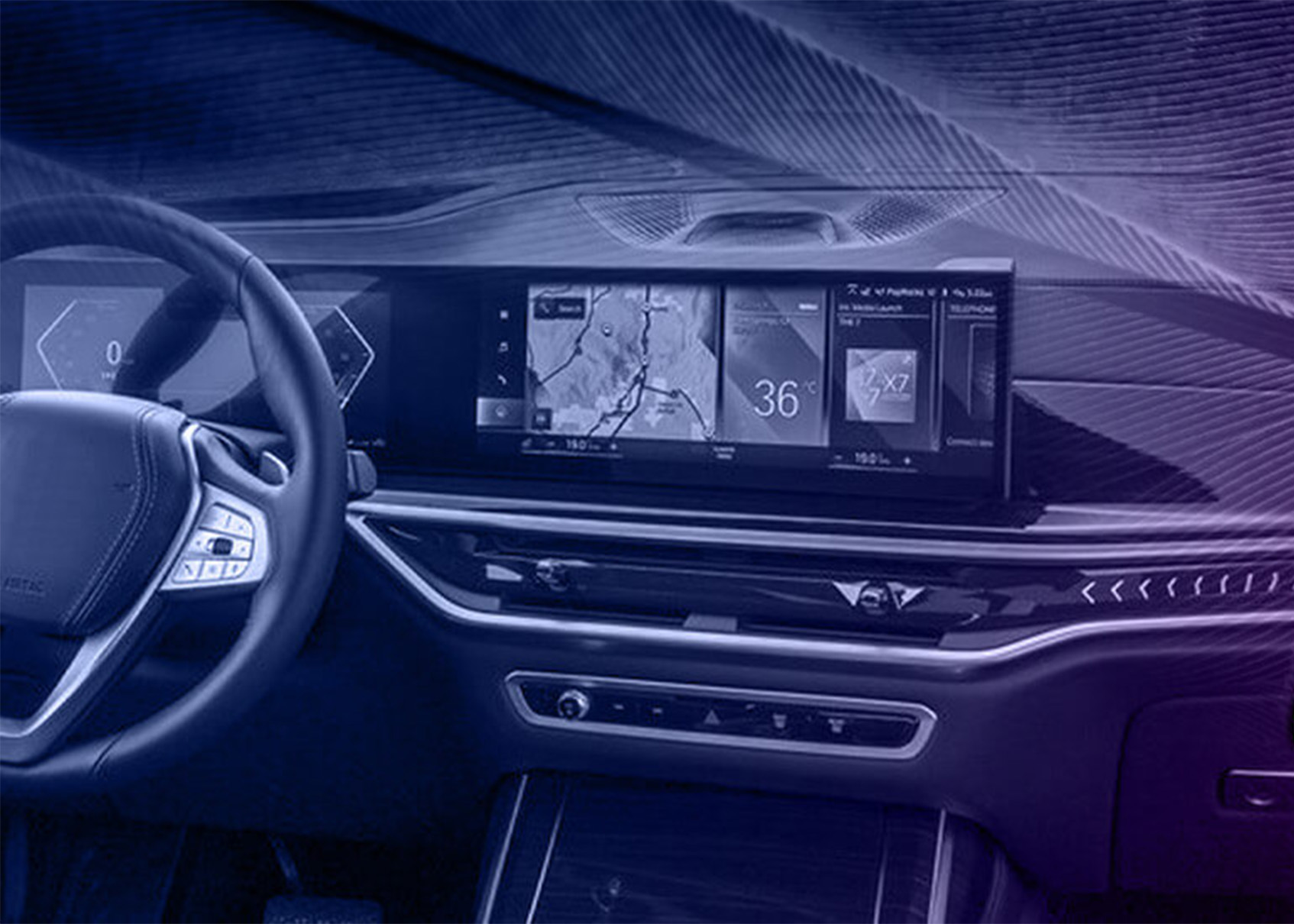
Modern vehicle cockpit with a digital instrument cluster, large infotainment display and integrated navigation system.

Eschmann Textures: The Art of Refined Surfaces

In this context, our company, Eschmann Textures, has earned an outstanding reputation: surfaces for luxurious interior design that convey—both visually and to the touch—the cozy feel of wood, soft leather, or fabric upholstery are, in reality, lifelike replicas made from foamed plastics. Applications for exterior use, such as bumpers, are also possible.

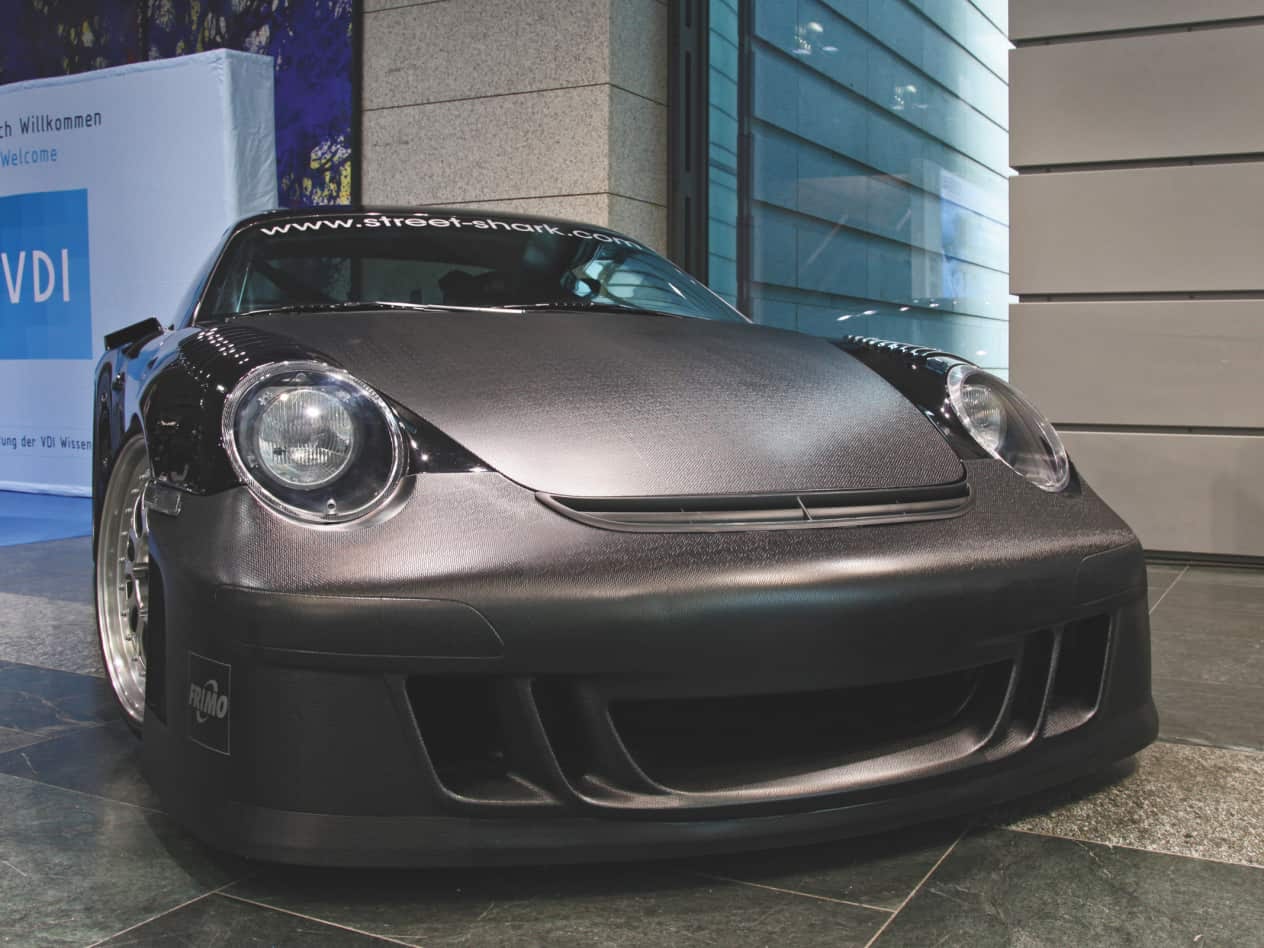
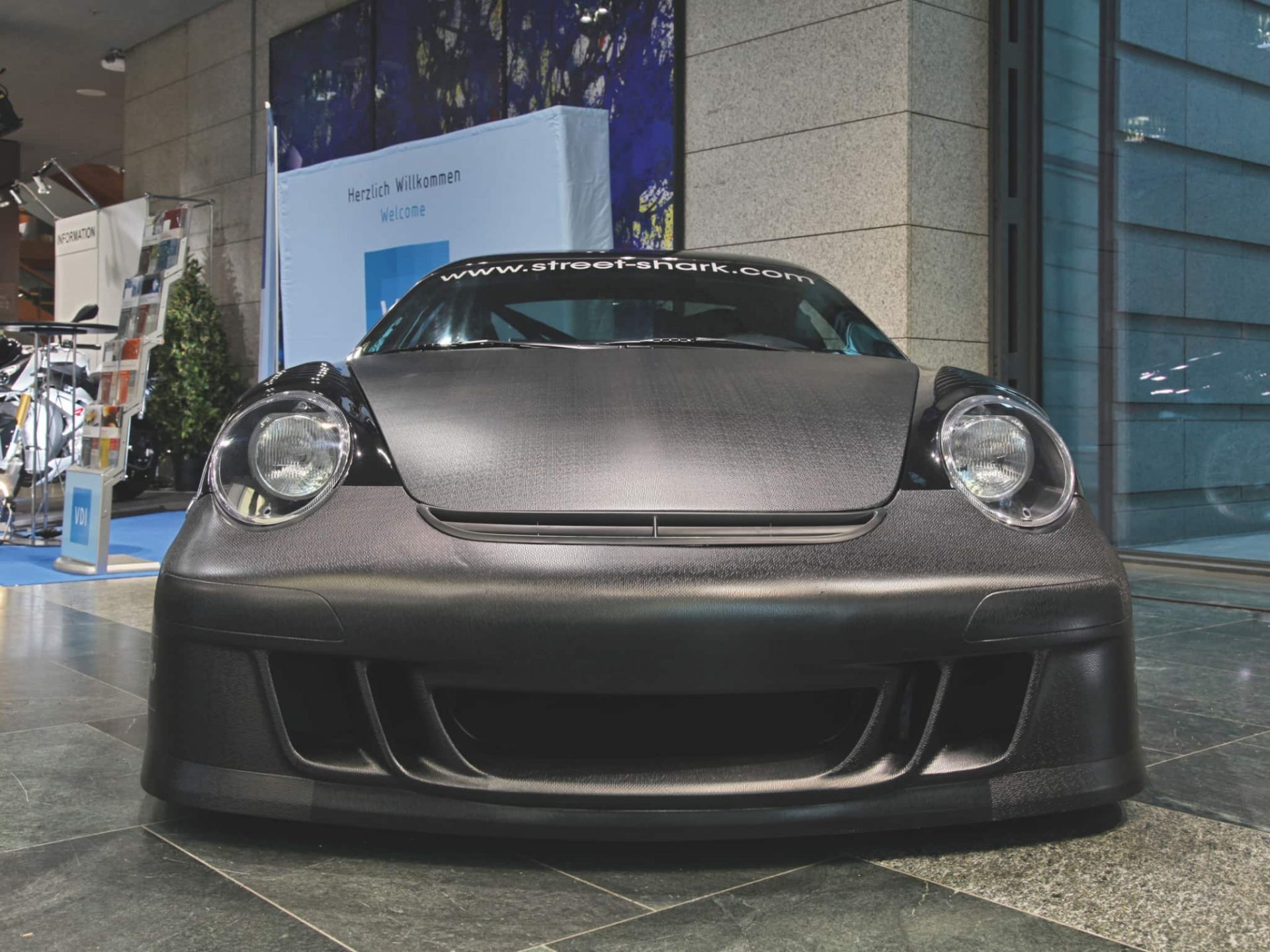
Since 2022, a new technology has been in use that gives Eschmann Textures a unique position worldwide: Micromilling technology allows any surface to be created—for example, to specifically diffuse headlight beams, make components shimmer in rainbow colors, or produce water-repellent properties. A demo component featuring a high-quality cork-like finish, wood grain, textile textures, and fine, smooth surfaces demonstrates the technology’s capabilities. Door panels and dashboards also highlight the previously unimagined design freedom offered by this process.

Our modern understanding of design goes far beyond visible form. Steel shapes the modern automobile—on the exterior, interior, and within its systems—as a high-performance and recyclable material that combines brand identity, design freedom, safety, function, and sustainability.

  • Our Steel Division manufactures the press-hardened, ultra-high-strength steels used in lightweight automotive construction. These include, for example, phs-ultraform®, phs-directform®, and AHSS high- and ultra-high-strength steels, which are joined as laser-tailored blanks and marketed under the “ultralights by voestalpine” brand.

    The Automotive Components Group, a business unit within our Metal Forming Division, develops and manufactures lightweight construction solutions for the automotive industry. The Rotec Group, also part of the Metal Forming Division, specializes, for example, in raw components for air suspension systems, seat systems, and steering systems.

    The Metal Engineering Division, through its subsidiaries voestalpine Tubulars and voestalpine Wire Technology, supplies wire for springs, welding wire, and tubes.

    The companies in our High Performance Division supply high-performance tool steel, which is primarily used for the forming of automotive components, as well as for valves and other automotive parts subjected to extreme stress.

Share article

The song of the campaign “All of these moments” by FaMo in full length on Spotify.

Listen now
Picture of voestalpine AG

voestalpine AG

Die voestalpine ist ein weltweit führender Stahl- und Technologiekonzern mit kombinierter Werkstoff- und Verarbeitungskompetenz. Die global tätige Unternehmensgruppe verfügt über rund 500 Konzerngesellschaften und -standorte in mehr als 50 Ländern auf allen fünf Kontinenten. Sie notiert seit 1995 an der Wiener Börse. Mit ihren Premium-Produkt- und Systemlösungen zählt sie zu den führenden Partnern der Automobil- und Hausgeräteindustrie sowie der Luftfahrt- und Öl- & Gasindustrie und ist darüber hinaus Weltmarktführer bei Bahninfrastruktursystemen, bei Werkzeugstahl und Spezialprofilen. Die voestalpine bekennt sich zu den globalen Klimazielen und verfolgt mit greentec steel einen klaren Plan zur Dekarbonisierung der Stahlproduktion.