The HBI direct reduction process
- 1
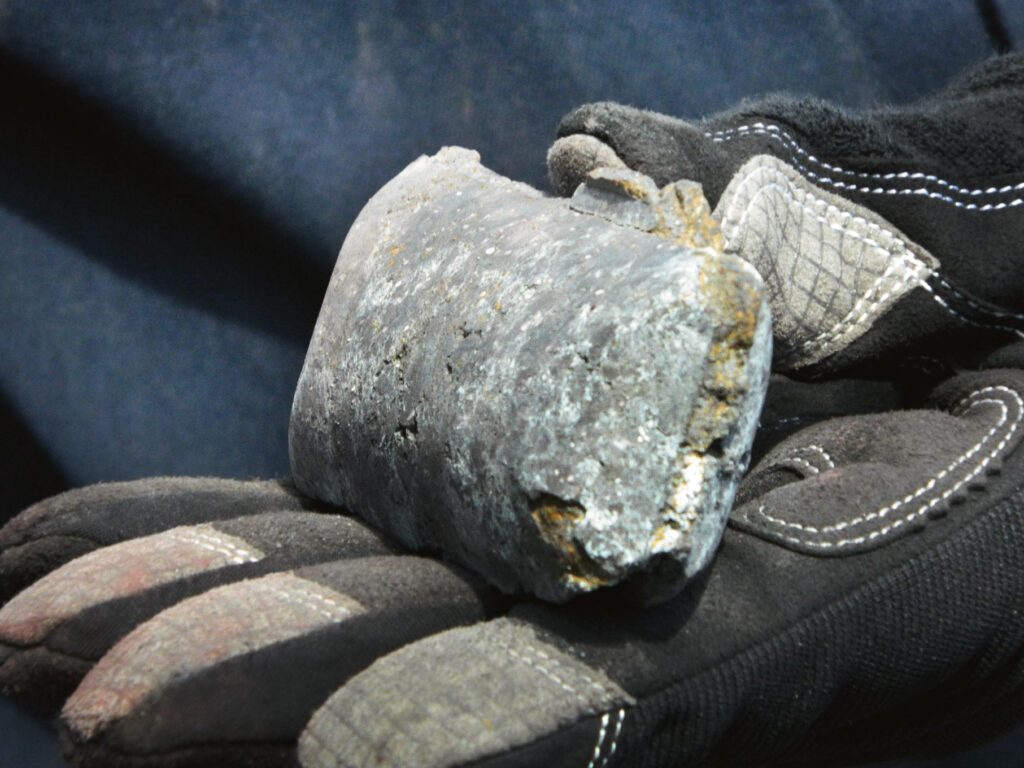
HBI stands for hot briquetted iron – porous sponge iron, pressed into briquettes. HBI is created by reducing the iron ore with natural gas. HBI can be used as a pre-material in blast furnaces or electric arc furnaces.
In blast furnaces, HBI replaces coke and iron ore, while in electric arc furnaces it replaces scrap metal.
HBI is the product of reducing iron ore with natural gas. This is called the direct reduction process and is an environmentally-friendly production process; a DRI plant uses natural gas which is more environmentally sound than coke. The reduction process takes place in the reduction tower. A tower is the heart of the plant. The direct reduction process is a complex process, which, explained in simple terms, consists of the following steps:
Direct reduction is considered an important bridging technology for decarbonizing steel production. Starting in 2027, we at voestalpine plan to gradually switch from the coal-based blast furnace route to a greentec-based electric steel route. The aim of greentec steel is to achieve climate-neutral steel production by 2050. Read more on thee greentec steel microsite: https://www.voestalpine.com/greentecsteel
Die voestalpine ist ein weltweit führender Stahl- und Technologiekonzern mit kombinierter Werkstoff- und Verarbeitungskompetenz. Die global tätige Unternehmensgruppe verfügt über rund 500 Konzerngesellschaften und -standorte in mehr als 50 Ländern auf allen fünf Kontinenten. Sie notiert seit 1995 an der Wiener Börse. Mit ihren Premium-Produkt- und Systemlösungen zählt sie zu den führenden Partnern der Automobil- und Hausgeräteindustrie sowie der Luftfahrt- und Öl- & Gasindustrie und ist darüber hinaus Weltmarktführer bei Bahninfrastruktursystemen, bei Werkzeugstahl und Spezialprofilen. Die voestalpine bekennt sich zu den globalen Klimazielen und verfolgt mit greentec steel einen klaren Plan zur Dekarbonisierung der Stahlproduktion.