-
 News & EventsSubscribe to our newsletter

News from the world of wire

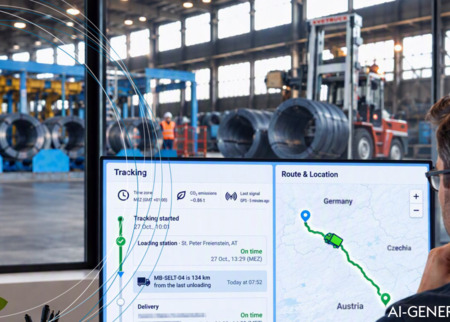
The demands placed on modern supply chains are changing rapidly. In addition to high product quality and a reliable supply, transparency, speed, and data-driven decisions are becoming increasingly important. For companies in the wire industry, this means that logistics is evolving from an operational function into a strategic success factor. At voestalpine Wire Technology, digital technologies are driving this development in a targeted manner.
In a market environment characterized by volatile demand, geopolitical uncertainties, and increasing sustainability requirements, transparency is becoming a critical prerequisite for successful supply chains. That is why voestalpine Wire Technology relies on digital solutions to monitor and control the flow of materials and goods.
Supply chain monitoring systems provide real-time information on inventory and ongoing shipments. This enables bottlenecks to be identified early, response times to be shortened, and planning processes to be optimized. At the same time, digital tools create greater transparency (real-time visibility) throughout the entire supply chain and help identify risks early on.
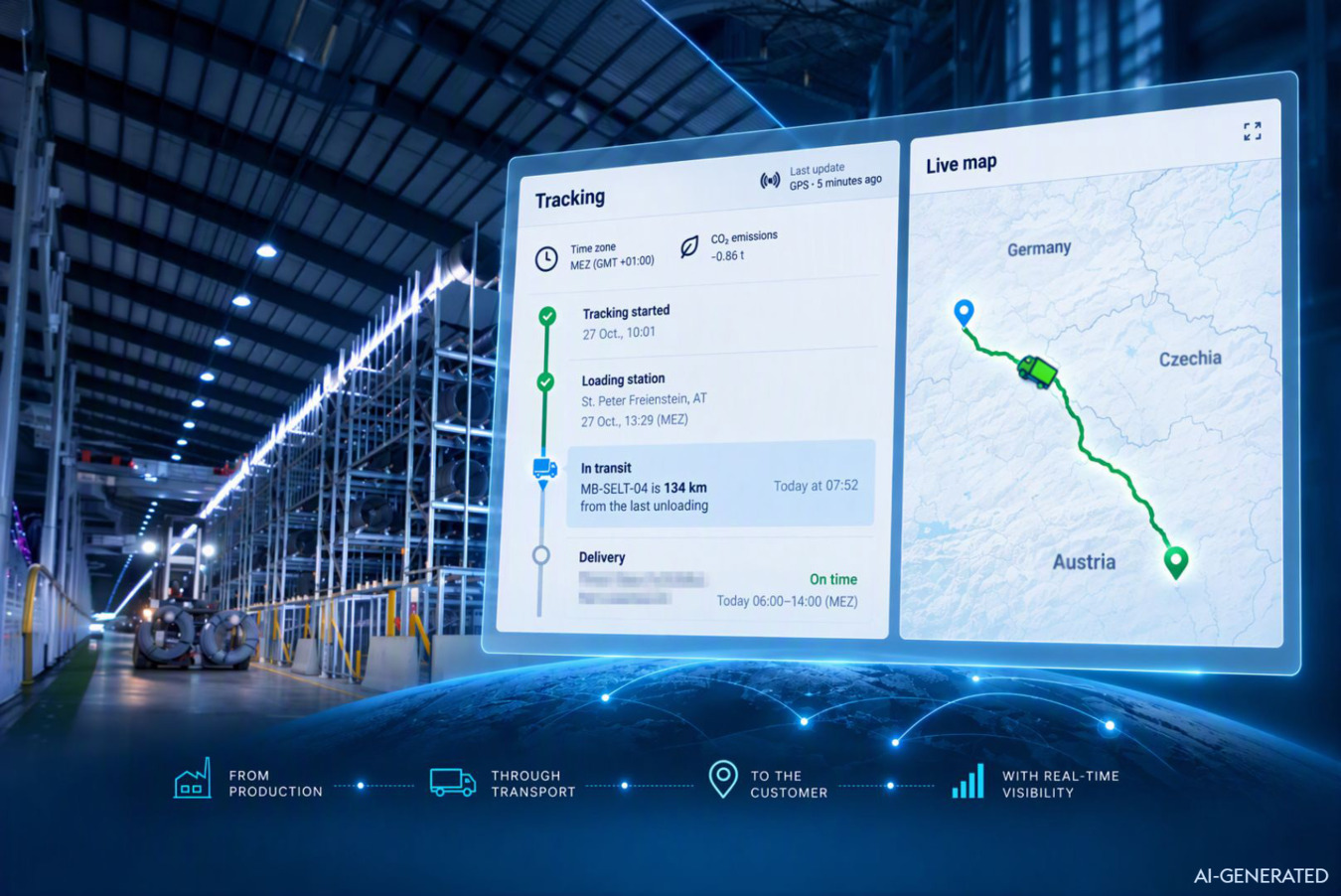

Today, digital solutions are key success factors in modern supply chains. Real-time information on inventory and the flow of goods improves the quality of planning and enables faster responses to changing requirements.
A key component of digital supply chains is automated order processing. Through EDI (Electronic Data Interchange), purchase orders, delivery requests, and other logistics data are exchanged directly between the systems involved. This reduces manual data entry, minimizes sources of error, and speeds up processes.
For customers, this means:
The next stage of development goes beyond mere transparency. Artificial intelligence and data-driven planning open up new possibilities not only for monitoring supply chains but also for identifying future developments at an early stage.
AI-powered early-warning systems can identify potential disruptions (including political events, strikes, and weather events) along transport routes at an early stage and derive appropriate recommendations for action. In the future, the optimization of cargo space, routes, and transport capacity will also increasingly be data-driven. This boosts efficiency while simultaneously supporting sustainability goals.
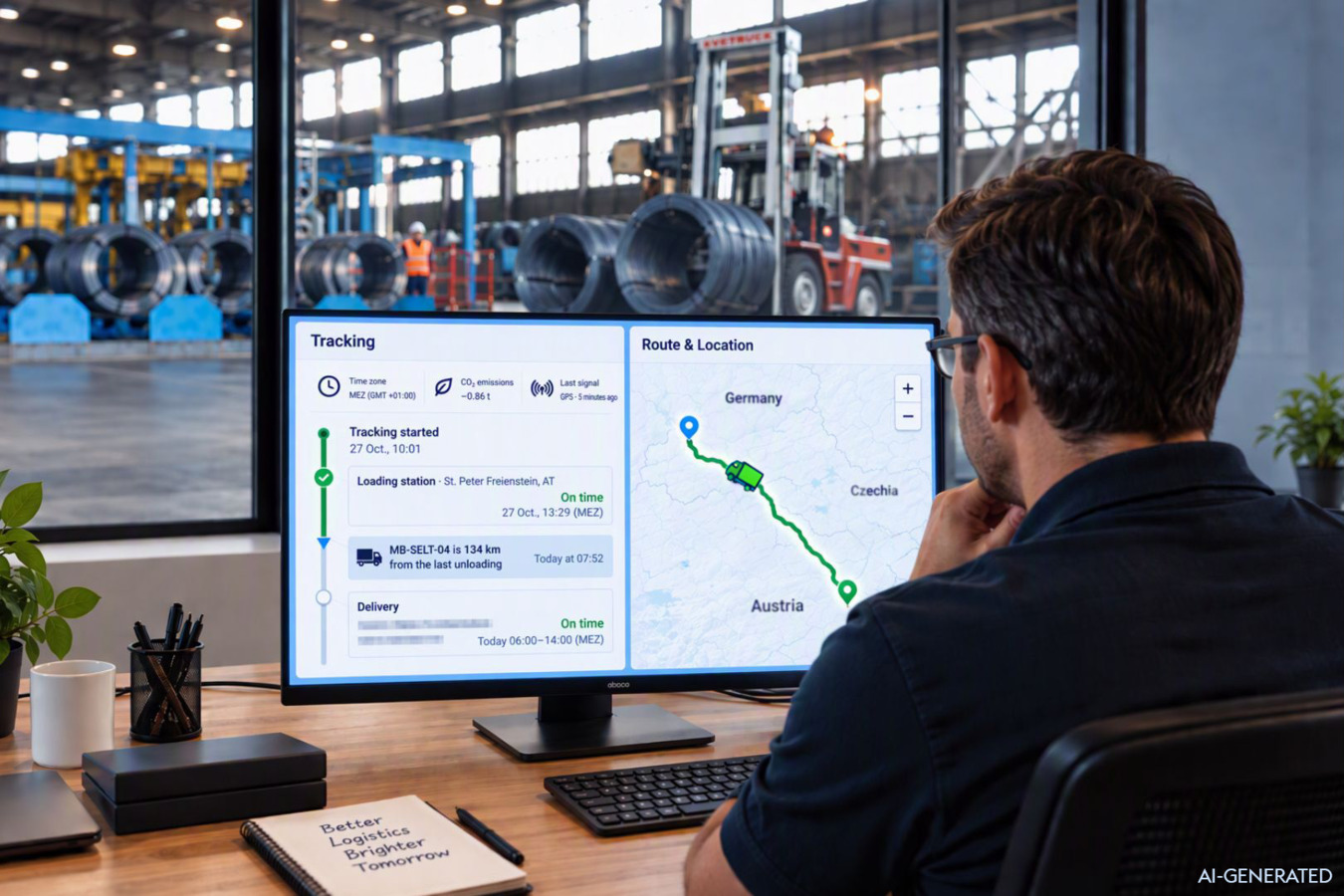
voestalpine Wire Technology sees particularly great potential in digital connectivity with customers and partners. The future of the supply chain lies in even greater integration of production, logistics, and planning systems.
Open cloud interfaces could, in the future, connect customers’ ERP systems directly to transportation management and planning systems. If, for example, the production rhythm on the customer’s side changes, logistics and production processes can automatically adapt to it. This makes it possible to optimize inventory, use resources more efficiently, and make supply chains even more flexible.

Artificial intelligence and data-driven planning will further improve the quality of forecasts and increasingly automate processes. At the same time, transparent sustainability metrics and CO₂-optimized supply chains will become key competitive factors.
In addition to efficiency gains, digital collaboration along the value chain is becoming increasingly important. At the same time, CO₂-optimized supply chains, transparent sustainability metrics, and data-driven decision-making processes are coming more into focus.
The logistics of the future will be more interconnected, data-driven, and collaborative. Digitalization, artificial intelligence, and close collaboration throughout the entire supply chain create the conditions needed to respond more quickly to market changes and ensure long-term supply security.
This transformation is being accelerated by external factors such as the growing driver shortage and the limited availability of transport capacity.
For customers, this means one thing above all: greater transparency, greater planning certainty, and a supply chain that can respond flexibly to future challenges.
If you have any questions or suggestions, please don't hesitate to contact us. We're happy to help!
