Voltar à perspetiva geral

Turnout Systems: Intelligent, networked and future-proof. System thinking for rail infrastructure excellence.
2025-08-28 | 

Turnouts are not just part of the track – they heavily contribute to flexibility, safety and capacity in railway networks. At voestalpine Railway Systems, turnout systems are developed, manufactured and digitally enhanced to perform as one fully integrated system – customized to operational needs and designed for long-term excellence. 
From components to complete systems 

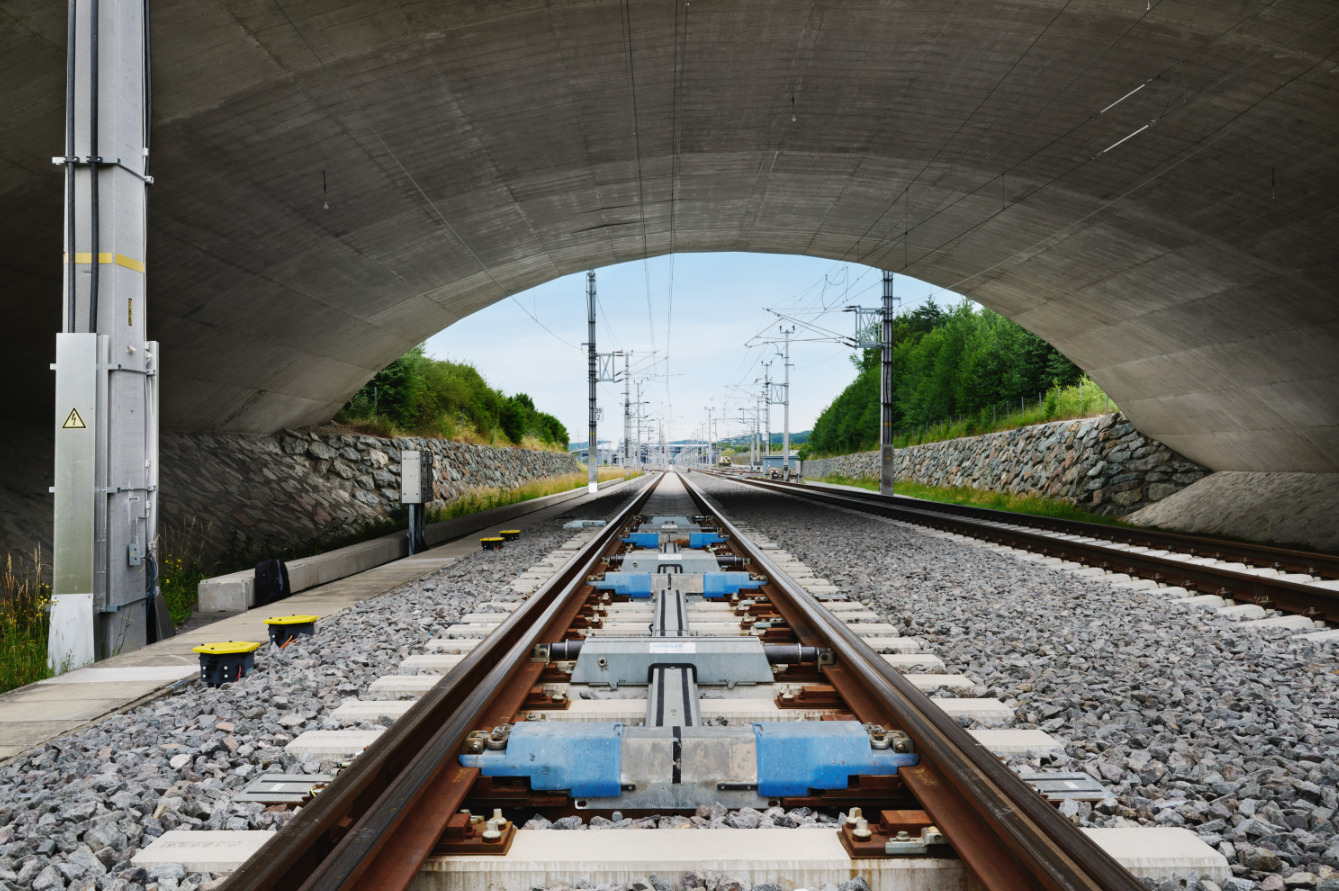
An intelligent turnout system basically includes switch blades, the crossing, rails, point machine(s), locking mechanism(s), baseplates, sleepers, fastening solutions and monitoring systems. But its true strength lies in how these components interact — engineered as one functional unit, not as isolated parts. 

This systemic approach reduces interface risks, increases reliability and enables a significant improvement in availability and maintainability. 

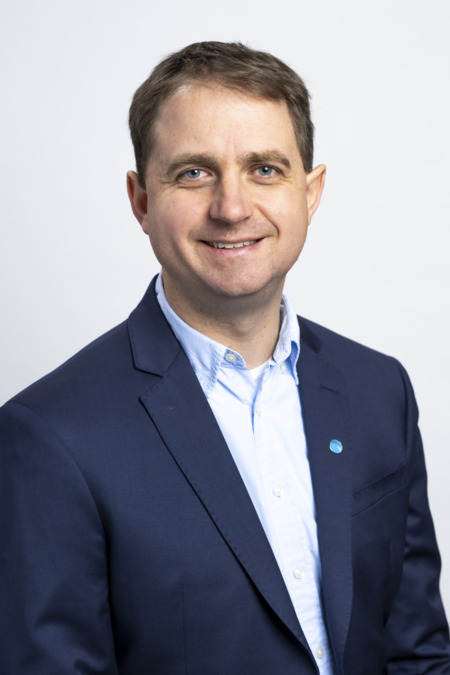
Uwe Ossberger - CTO Profit Center Turnout


A turnout system is only as strong as its systemic cohesion – and that mechanical components, electro-mechanical systems and digital solutions.

Tailored solutions for every rail environment 

Different railway segments require tailored turnout solutions: 

  • High-speed rail: Requires maximum geometric precision and resistance to dynamic forces.
  • Heavy haul: Must handle extreme axle loads and environmental stress.
  • Urban transport: Demands compact designs, fast actuation, low noise, and 24/7 availability.
  • Mixed traffic: Combines needs from both freight and passenger operations. 
Alfred Pölinger
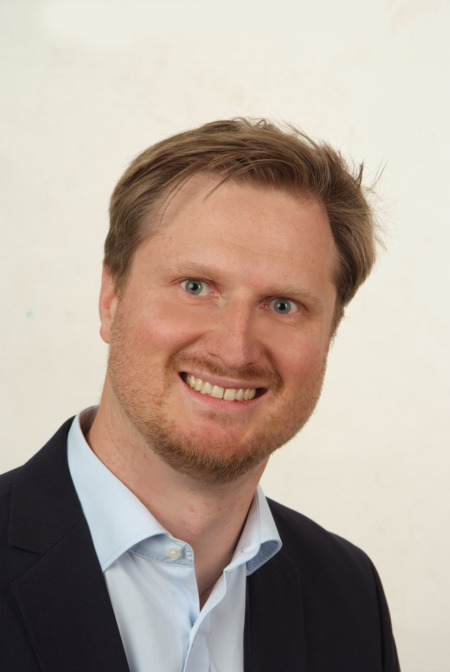
Alfred Pölinger - Vice President Product Management


Design, materials, operating and monitoring equipment form a system that is tailored to speed, loading, and environmental conditions.

Smart monitoring and predictive maintenance 

What turns a turnout into an intelligent system is its ability to monitor and report its own condition – constantly and in real time. 

With platforms like zentrak, operators gain real-time access to usage data and degradation trends, allowing targeted interventions before operational disruptions occur. 

Monitoring is not just about detecting failure – it’s about enabling smarter asset management.

– Uwe Ossberger

Boundaries between mechanical, digital, and service offerings are blurring—resulting in “phygital” (physical + digital) assets that are self-aware, adaptive, and networked.

– Alfred Pölinger

Reducing Total Cost of Ownership (TCO) 

Total Cost of Ownership (TCO) is not only about procurement – it includes maintenance, inspection, downtime and lifetime performance. 

  • Optimized geometries and materials 
  • Digital twins for transparent asset data 
  • Long inspection intervals 
  • Retrofit options for existing systems 
Christoph Fuchs - Head of Customer Solutions


We develop with TCO in mind – durable components, digital insights, and performance from day one.

Technical expertise & lifecycle factors 

A turnout system’s life cycle is primarily shaped by two aspects: the initial asset quality and the effectiveness of the maintenance regime. Ensuring the right design for each application – and backing it with condition-based inspection – plays a decisive role in long-term cost efficiency and safety. 

"The key factors for long life cycles are the right system for the application – and the right maintenance at the right time."

– Christoph Fuchs

Leveraging global Know-How and materials expertise 

The turnout is a mechanical asset, but its success depends on steel design, data science, and system integration. 

Thanks to decades of experience in the manufacture of rails, turnouts, signaling, monitoring systems as well as domain know-how and in-house R&D, voestalpine Railway Systems delivers solutions where hardware and software grow together. 

Future-Proofing through Innovation 

The demands on turnout systems are changing: higher loads, faster trains, environmental extremes – and more digital connectivity. 

voestalpine Railway Systems is working on: 

  • Low-carbon steel solutions 
  • Integrated monitoring technologies 
  • Simulation-driven design 
  • Partnerships with universities and operators 

Beyond performance and availability, new system generations must respond to growing sustainability and regulatory expectations. ESG standards and CO footprint considerations are becoming defining factors in public tenders and investment strategies. 

Sustainability, digital intelligence, and robustness are the core pillars of future turnout systems.

– Uwe Ossberger