Electrical steel: full power for the future of e-mobility
Electrical steel: full power for the future of e-mobility
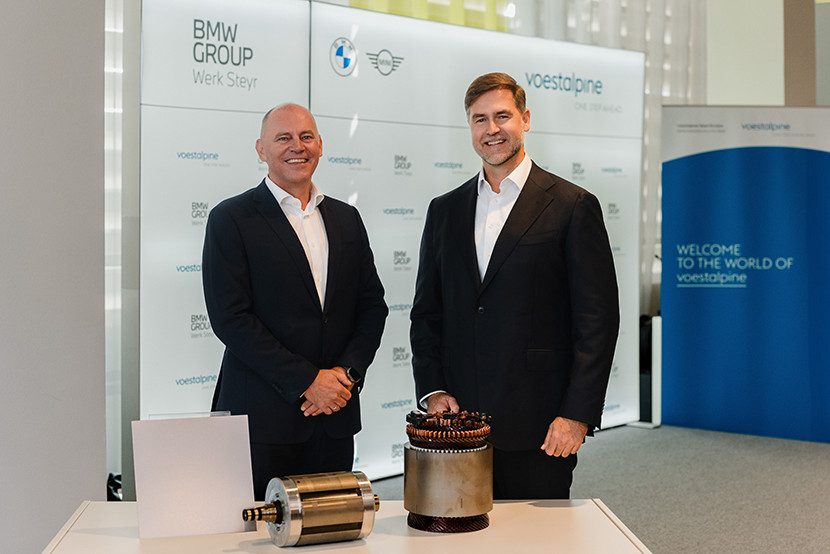
The trend in e-mobility is clearly moving towards even more efficient steels for electric motors. So it’s a good thing that we have the right material for the high demands of electric motor construction: Our isovac® electrical steel strip contributes to particularly high efficiency and top performance of the drive system in electric cars. The BMW Group plant in Steyr shares this view and uses the state-of-the-art electrical steel in its latest generation of electric motors.
3
In this article
Electric vehicles instead of combustion engines – the turnaround in transportation holds great potential for saving fossil fuels and reducing CO2 emissions. Demand for the production of electric cars alone is expected to increase tenfold by 2030. By then, the use of electric vehicles of all kinds is expected to reduce crude oil consumption by almost 3.5 million barrels – that’s around 479,000 tons per day. Electrical steel plays a crucial role in meeting this demand.
After all, between 50 and 100 kg of this soft magnetic material is used to build a drive motor in an electric car, depending on the type of drive and power output. But why electrical steel? Because it is the heart of an electric motor and makes electric cars powerful and energy-efficient.
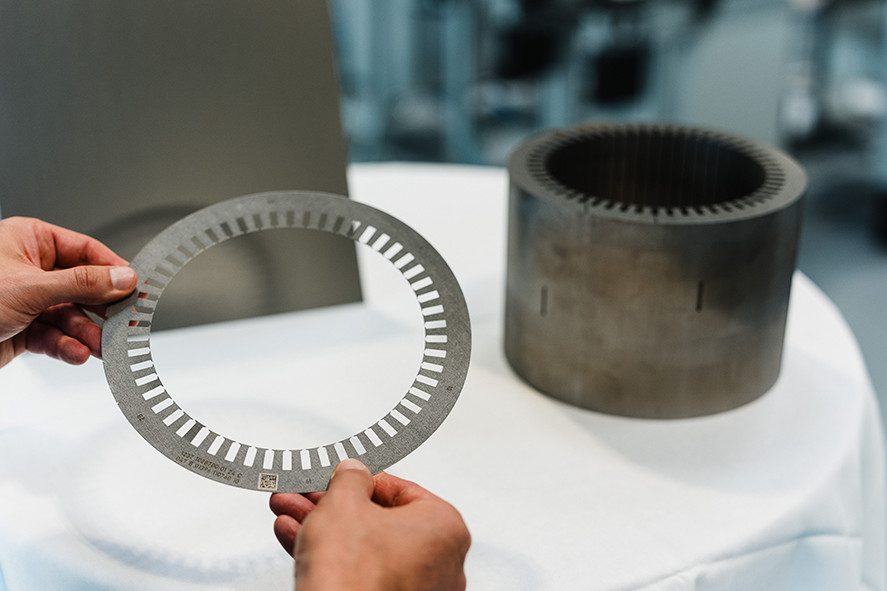
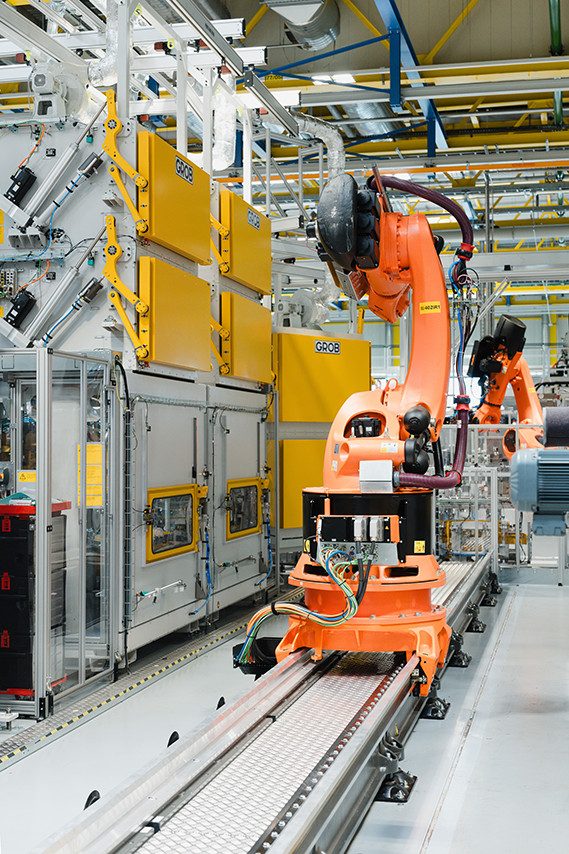
The material we have developed for electric motor construction combines ultra-thin electrical steel with state-of-the-art coating technology and is now also being used by BMW in the next generation of electric motors. At our plant in Linz (Austria), the electrical steel is processed as slit strip and then used at the BMW plant in Steyr (Austria) for the rotors and stators of the sixth generation (Gen6) of the electric drive train. These premium e-motors are even more efficient than those of the previous generation: the 800-volt Gen6 e-motor, for example, which does not require rare earths thanks to the use of SSM (current-synchronous machine) technology, results in 40% less energy loss, is 10% lighter and significantly quieter than the Gen5 e-motors. The motors manufactured in Steyr are finally integrated into the vehicles at the BMW plant in Debrecen (Hungary).
As a long-standing supplier of e-motor materials and coating technologies, we were once again able to convince BMW with our solution expertise, material know-how and focus on environmental sustainability along the entire supply chain and are moving into the future of electromobility together with our customer.
Tech-Facts Gen6 electric motor:
Gen6 e-drive concept: 800 volt technology brings changes in the high-voltage battery and in the e-drive and brings new efficiency values compared to the current Gen5 technology
The Gen6 electric motor itself brings 40% less energy loss and 10% less weight
The Gen6 electric motor uses SSM technology (current excited synchronous machine), which does not require rare earths.
Efficiency has been increased through the use of an inverter developed by BMW with SiC (silicon carbide) technology.
The noise level has also been significantly reduced by optimizing the gearbox.
isovac® increases the efficiency of the motor because our specially alloyed and super-thin electrical steel in combination with innovative coating systems reduces energy losses during motor operation. This can increase the range of electric cars. In addition, electrical steel reinforces the magnetic flux density in the iron core of the electric motor. A high flux density ensures high torque and motor performance. This results in better acceleration and the electric car is more powerful. Lightweight construction also plays a major role in modern automotive engineering in order to reduce energy consumption and increase range: With our highly permeable and solid electrical steel strip, the total weight of the electric motor and therefore the total weight of the vehicle can be reduced – goal achieved!
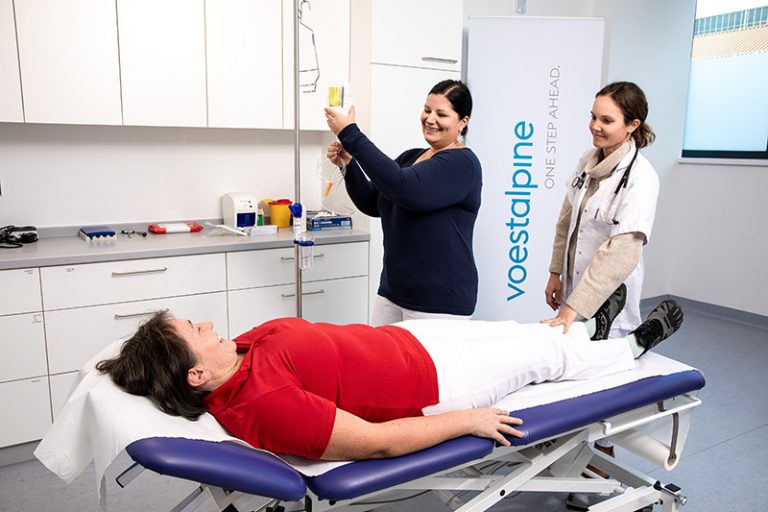
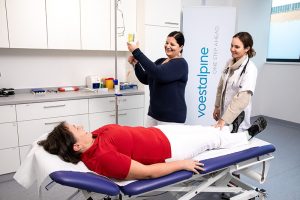
The health and safety of our employees are our top priority. Our activities, initiatives, and offerings in prevention and care make us the benchmark in workplace health promotion and occupational safety—after all, we have a responsibility to our employees and to the community .
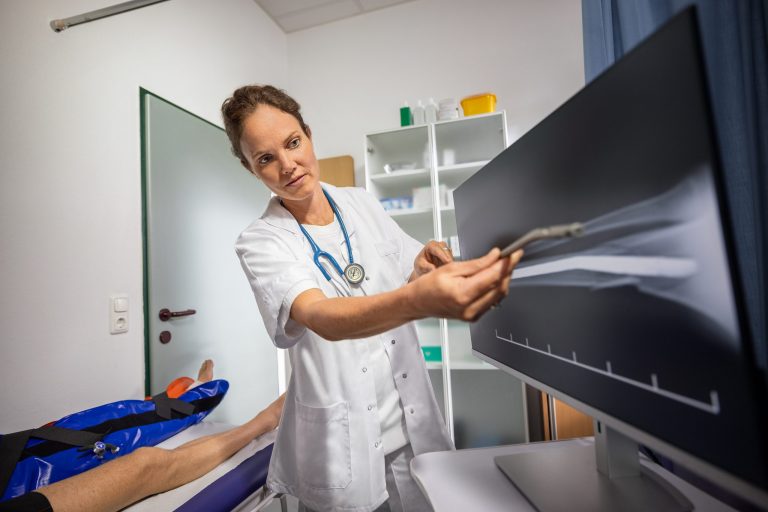
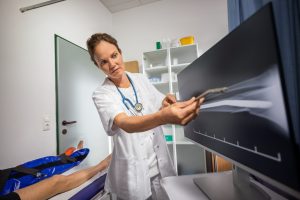
Pippa P. joined our team in Linz in 2018 and has been head of the occupational health department since April 2025, with twelve medical, commercial, and laboratory staff. Together, they ensure that the workplace is healthy and safe.
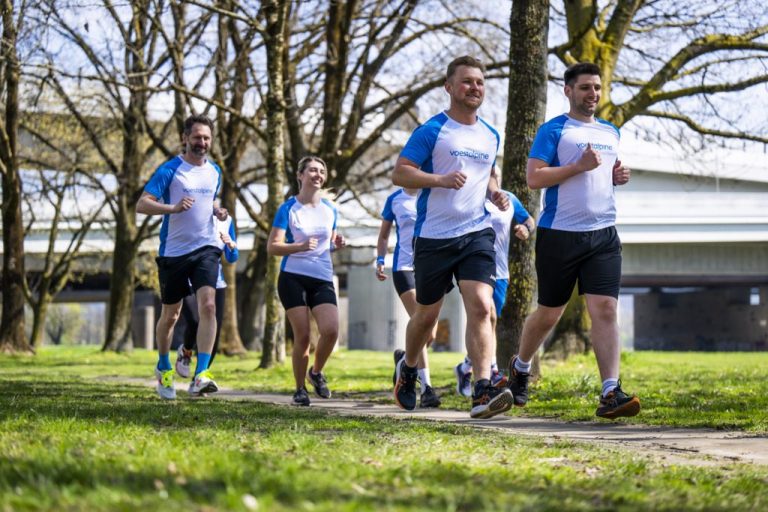
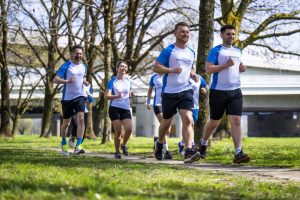
The fourth round of the international voestalpine cares run started on March 1, 2026 – and we can already celebrate our first success: We reached the first donation level in a record time of just nine days!
The health and safety of our employees are our top priority. Our activities, initiatives, and offerings in prevention and care make us the benchmark in workplace health promotion and occupational safety—after all, we have a responsibility to our employees and to the community .
Pippa P. joined our team in Linz in 2018 and has been head of the occupational health department since April 2025, with twelve medical, commercial, and laboratory staff. Together, they ensure that the workplace is healthy and safe.
The fourth round of the international voestalpine cares run started on March 1, 2026 – and we can already celebrate our first success: We reached the first donation level in a record time of just nine days!
Die voestalpine ist ein weltweit führender Stahl- und Technologiekonzern mit kombinierter Werkstoff- und Verarbeitungskompetenz. Die global tätige Unternehmensgruppe verfügt über rund 500 Konzerngesellschaften und -standorte in mehr als 50 Ländern auf allen fünf Kontinenten. Sie notiert seit 1995 an der Wiener Börse. Mit ihren Premium-Produkt- und Systemlösungen zählt sie zu den führenden Partnern der Automobil- und Hausgeräteindustrie sowie der Luftfahrt- und Öl- & Gasindustrie und ist darüber hinaus Weltmarktführer bei Bahninfrastruktursystemen, bei Werkzeugstahl und Spezialprofilen. Die voestalpine bekennt sich zu den globalen Klimazielen und verfolgt mit greentec steel einen klaren Plan zur Dekarbonisierung der Stahlproduktion.