Arcs in green times
- 3
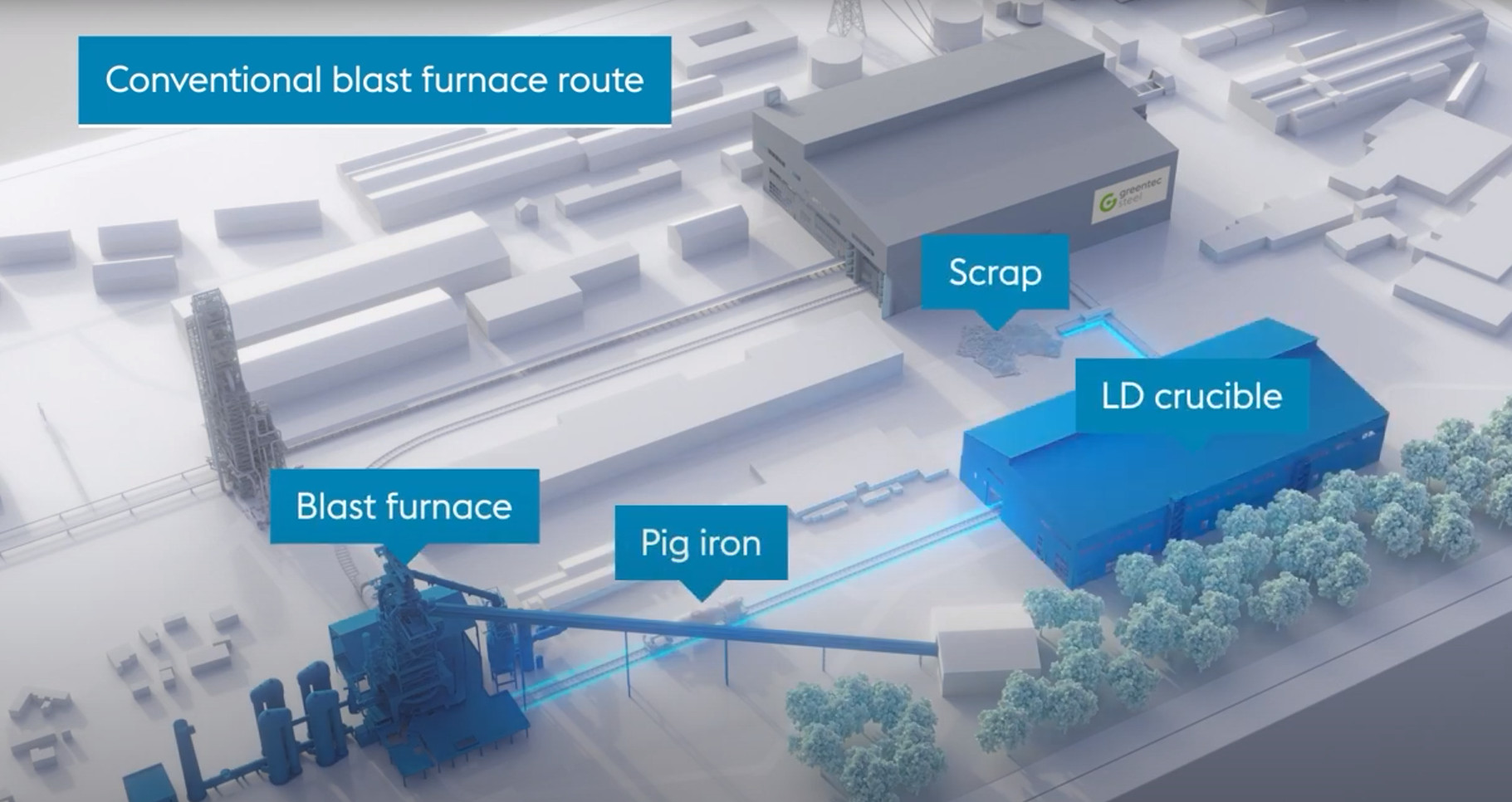
In April 2023, the Supervisory Board of the voestalpine Group approved EUR 1.5 billion to be invested in the further decarbonization of steel production. Electric arc furnaces powered by green electricity will become the core of our steel production as of 2027. Starting this year, EAFs (electric arc furnaces) will replace two blast furnaces and reduce CO2 emissions by 30%.
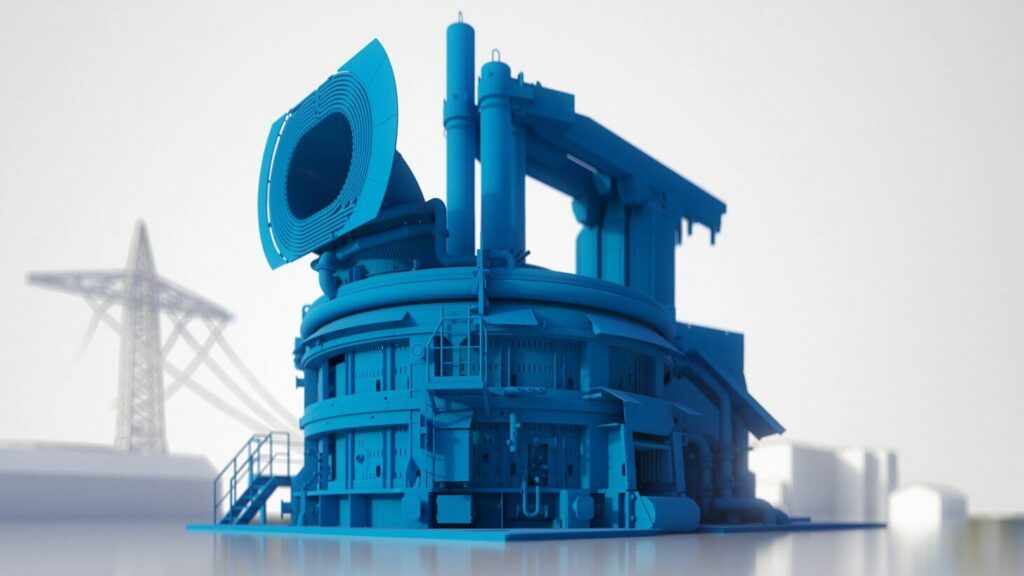
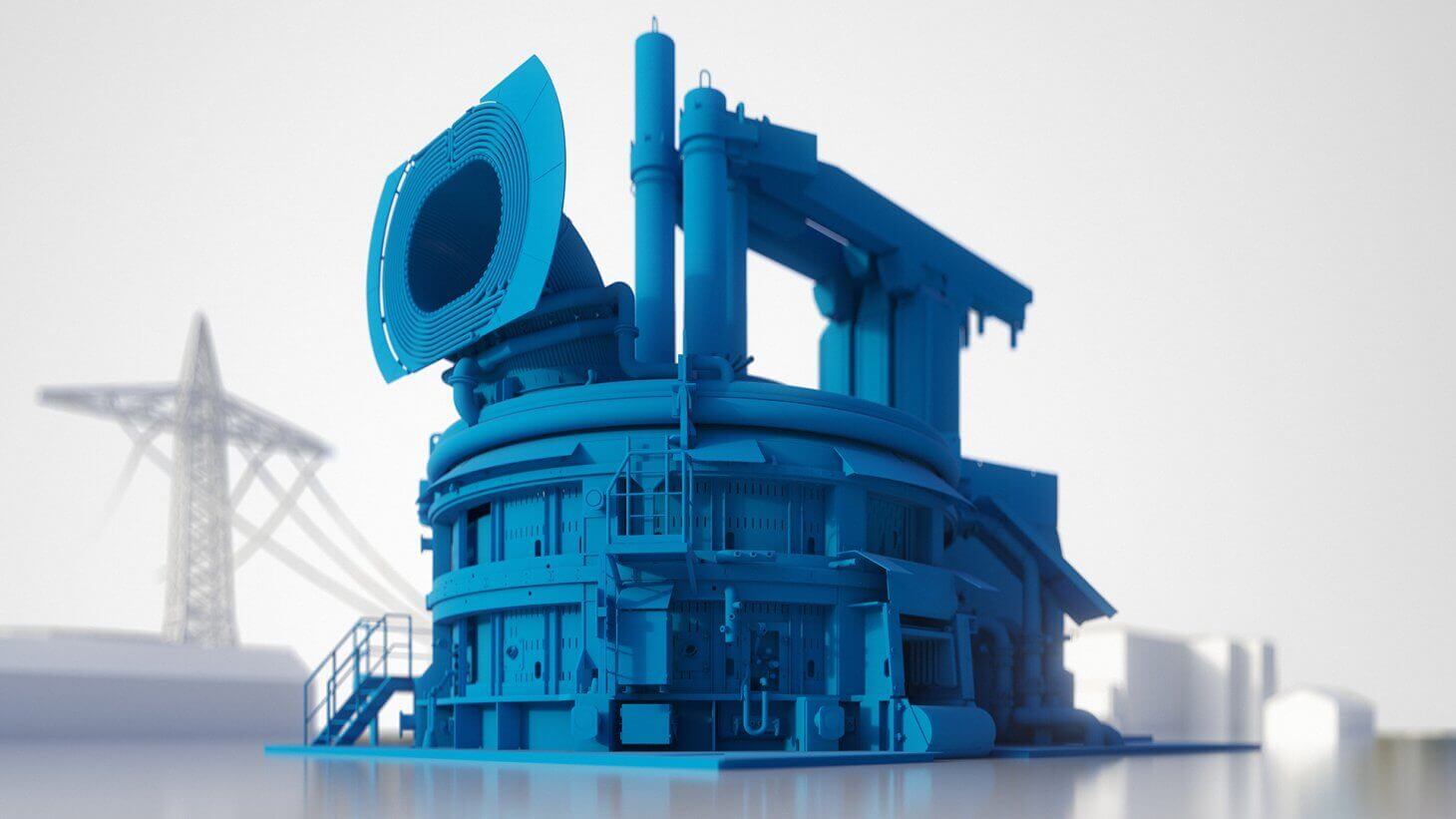
EAFs essentially melt down the input materials for further processing and perform basic metallurgical work. As the name suggests, the melting process is accomplished using electrical energy to generate an electric arc in the furnace.
Once the furnace is charged, the lid is closed and the three graphite electrodes, each approx. 70 cm thick, are lowered. When ignited, approx. 80,000 amperes of current flows through these electrodes to form an electric arc. Supported by burners in the furnace, with a temperature of over 3,000 °C the electric arc heats and melts the furnace contents in about 48 to 50 min. Once melted, the slag is removed, the steel is tapped off, and the still hot furnace is recharged.
Transitioning steelmaking from the blast furnace-converter route to the electric arc route poses a number of challenges. Lower CO2 emissions and greater flexibility in the choice of input materials, as well as aggregate availability, are offset by the high electrical energy requirements and limitations in the metallurgical work. In the EAF process, more effort is required to adjust the content of byproducts introduced into the steelmaking process by iron carriers in order to meet the target values. Thanks to our experienced employees, it is possible to overcome these challenges ever more effectively by optimizing the secondary metallurgy and continually improving scrap processing.
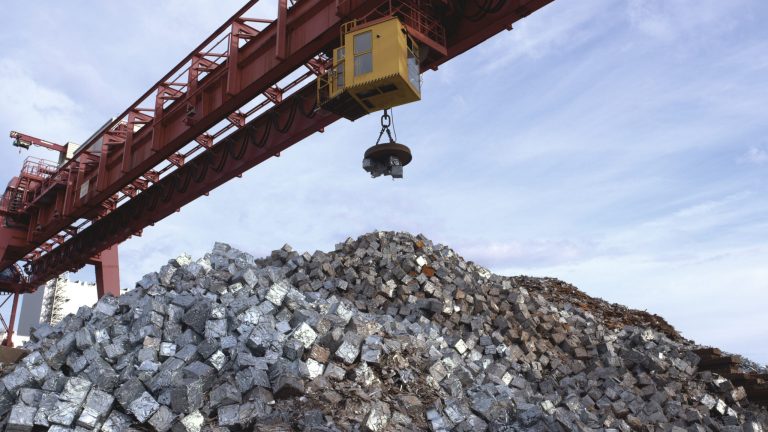
To produce crude steel, the EAF uses
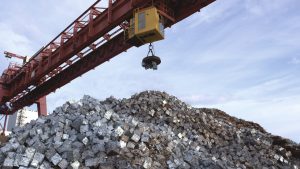
The proportions of the three iron-supplying input materials in the EAF charge (e.g., 50% scrap, 25% HBI, and 25% pig iron) are adjusted according to the nature of the steel being produced. The primary source of the necessary HBI is the direct reduction plant in Texas/USA in which voestalpine has held a 20% stake since 2022. Annual deliveries of 420,000 tons of HBI are contractually secured for the long term.
Construction at our Donawitz and Linz sites is especially designed to allow molten pig iron to be directly fed into the electric arc furnace, because during the hybrid phase of greentec steel the blast furnace will be operated using less equipment.
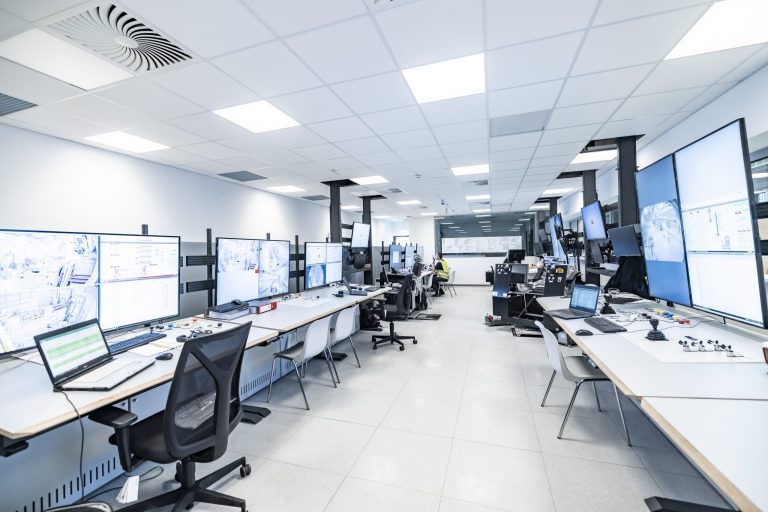
The personnel required to operate the new equipment are already being trained, and the necessary know-how is being established.
As the transformation of steelmaking progresses, experienced blast furnace operators are also upgrading their skills in order to operate the EAFs: an essential step on the path to greentec steel.
Within the framework of our focus greentec steel, we provide an overview of our concrete steps on the way towards long-term green steel production and the innovative processes we are using on this way. We provide information about the challenges we face and the breakthrough technologies we are already researching today in order to achieve our goal of steel production with net zero CO2 emissions by 2050.
Die voestalpine ist ein weltweit führender Stahl- und Technologiekonzern mit kombinierter Werkstoff- und Verarbeitungskompetenz. Die global tätige Unternehmensgruppe verfügt über rund 500 Konzerngesellschaften und -standorte in mehr als 50 Ländern auf allen fünf Kontinenten. Sie notiert seit 1995 an der Wiener Börse. Mit ihren Premium-Produkt- und Systemlösungen zählt sie zu den führenden Partnern der Automobil- und Hausgeräteindustrie sowie der Luftfahrt- und Öl- & Gasindustrie und ist darüber hinaus Weltmarktführer bei Bahninfrastruktursystemen, bei Werkzeugstahl und Spezialprofilen. Die voestalpine bekennt sich zu den globalen Klimazielen und verfolgt mit greentec steel einen klaren Plan zur Dekarbonisierung der Stahlproduktion.