Sustainable: voestalpine and hydropower
- 6
Hydropower plants can be hidden in mountain valleys and underground caverns, or take the form of immense structures built on an impressive scale. Whatever their form, they are invaluable for sustainable power generation. And whether hidden away or out in the open, we are supplying key components for all these sustainable electricity generators, whether run-of-the-river, storage, or pumped-storage power plants.
The power of water has been playing a decisive role in the development of technologies and cultures for millennia. Today, hydropower forms the backbone of low-emission electrical power generation, making it THE supporting factor behind the energy transition. It currently accounts for one sixth of all electricity generated worldwide. It seems rational to construct hydropower plants, especially as, to date, only 25% of global potential for hydropower is being exploited.
It is currently the most important sustainable source of electricity, because hydropower…
In Austria, a country blessed with water, the focus lies on storage, pumped-storage, and run-of-the-river power plants. Here alone, 5,200 small hydropower plants, i.e., generating less than 10 MWh, produce electricity from smaller bodies of running water. We operate seven such hydropower plants.
Our companies are supplying the global marketplace with various products and services to support the expansion of hydropower.
Reliable materials are essential for safely and efficiently harnessing the immense power of water and converting it into electricity. Our companies supply the energy industry with forged and cast components for hydropower plants, electrical steel strip for generators, heavy plate for pressure pipes, and special welding consumables.
When you think of hydropower, you think of water wheels. The principles of this archaic form of exploiting hydropower remain valid to this day—it is only the form which has changed as technology develops. Modern Kaplan or Pelton turbines turn the running power of the water into rotating movement which generators then convert into electrical energy.
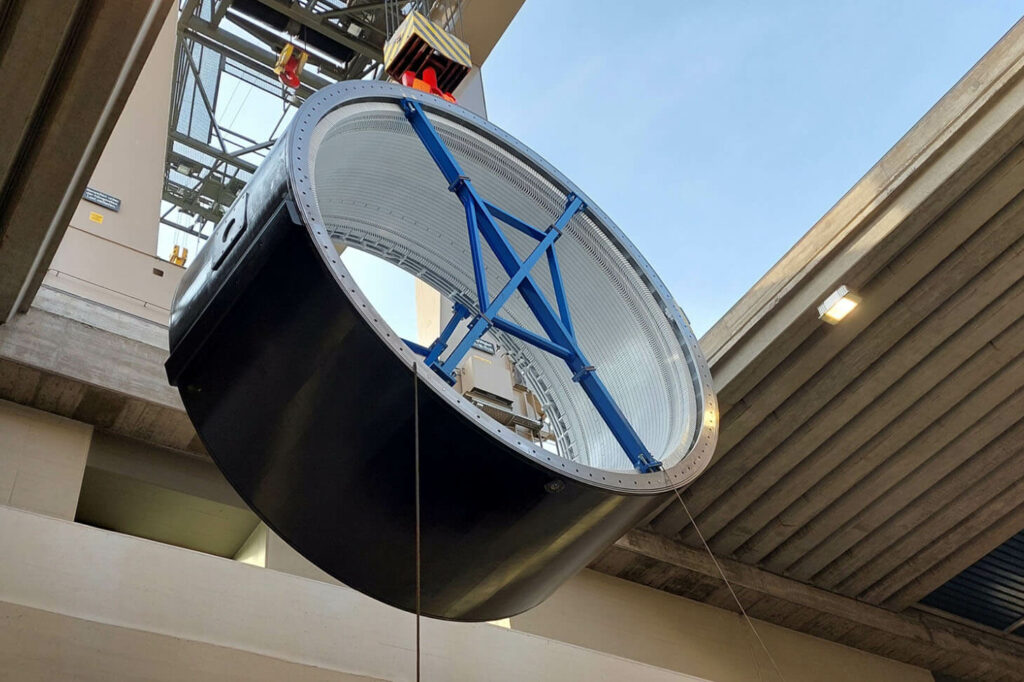
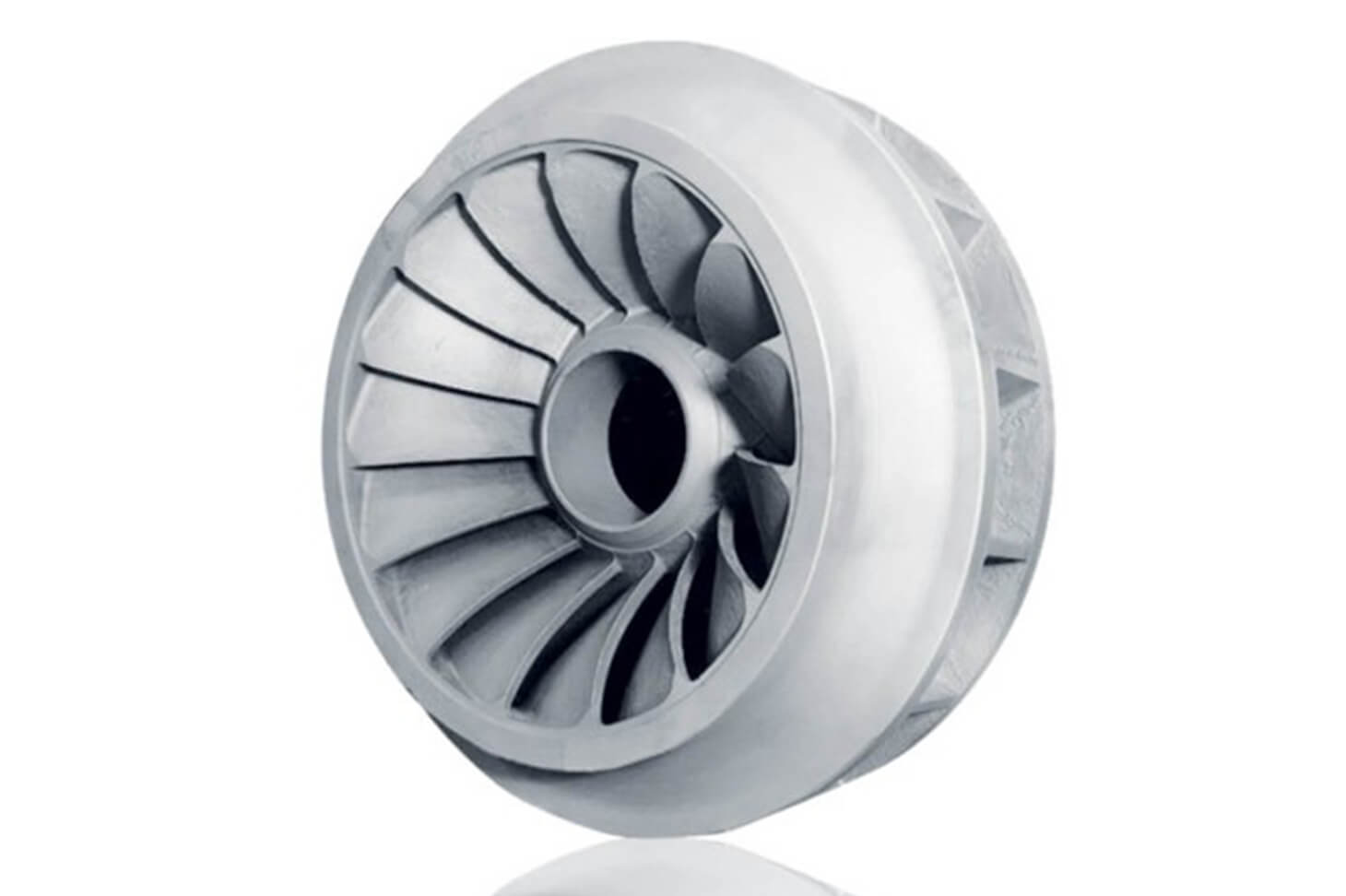
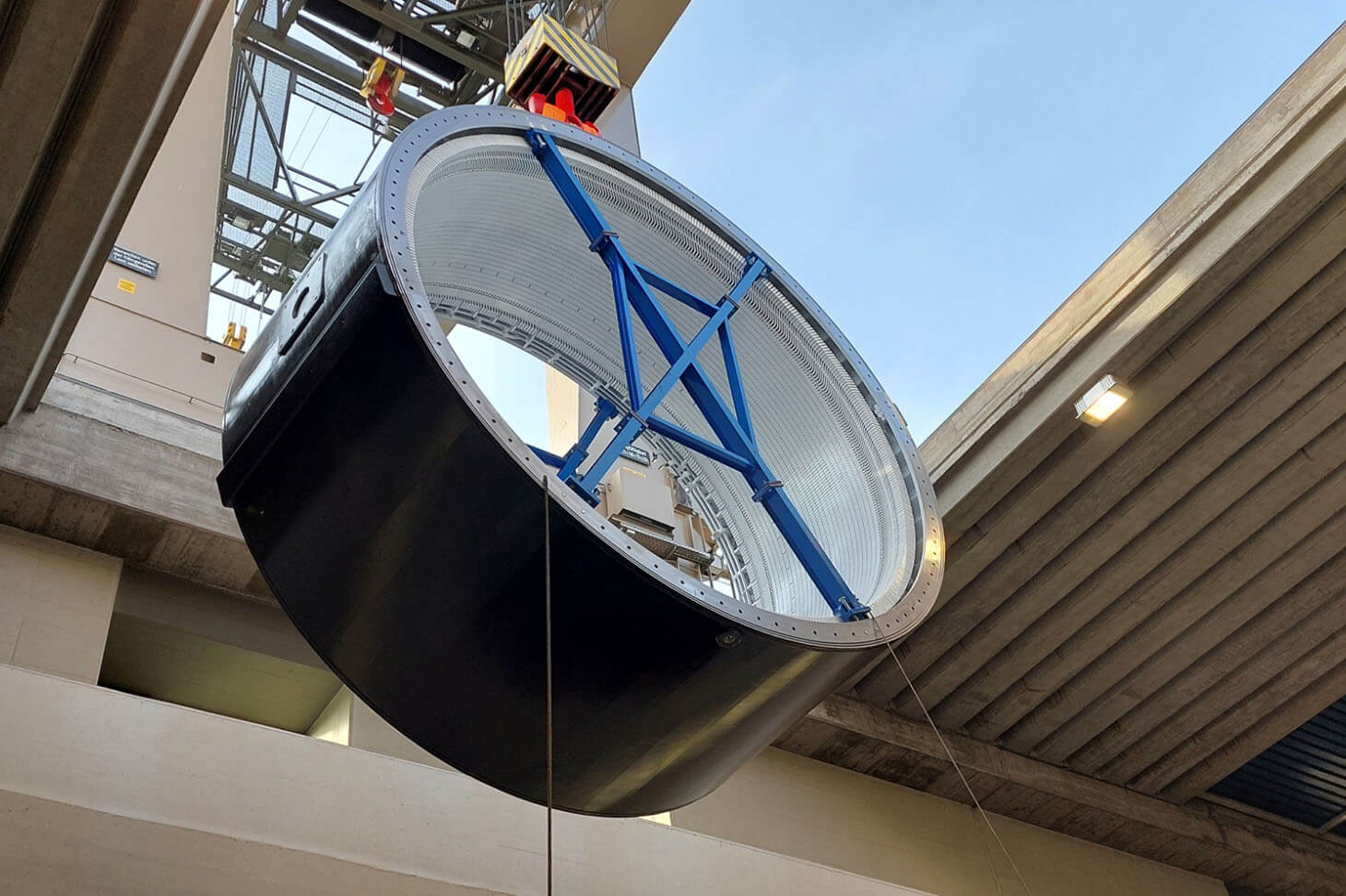
The voestalpine Foundry Group supplies components including Francis and Kaplan blades, stator disks, adjustment cranks, and hubs which drive enormous turbines. The materials used combine extreme strength with toughness at low temperatures and are easily weldable in order to meet the requirements of hydropower plants. The voestalpine Foundry Group achieves the challenging geometries of the hydropower components using innovative technologies. We use methods such as 3D printing to create the sand molds used in casting, allowing us to manufacture the most complex of forms quickly and with great precision.
The basic principle of electricity generation is converting mechanical into electrical energy. This applies just as much to sustainable power generation as to conventional forms. That makes electrical steel strip a highly sought-after material for use in generators, with global demand increasing by five percent annually. It plays a key role in increasing the output of renewable energy systems, which is why generators are retrofitted with high efficiency electrical steel strip such as isovac® from voestalpine Stahl GmbH when hydropower plants are upgraded.
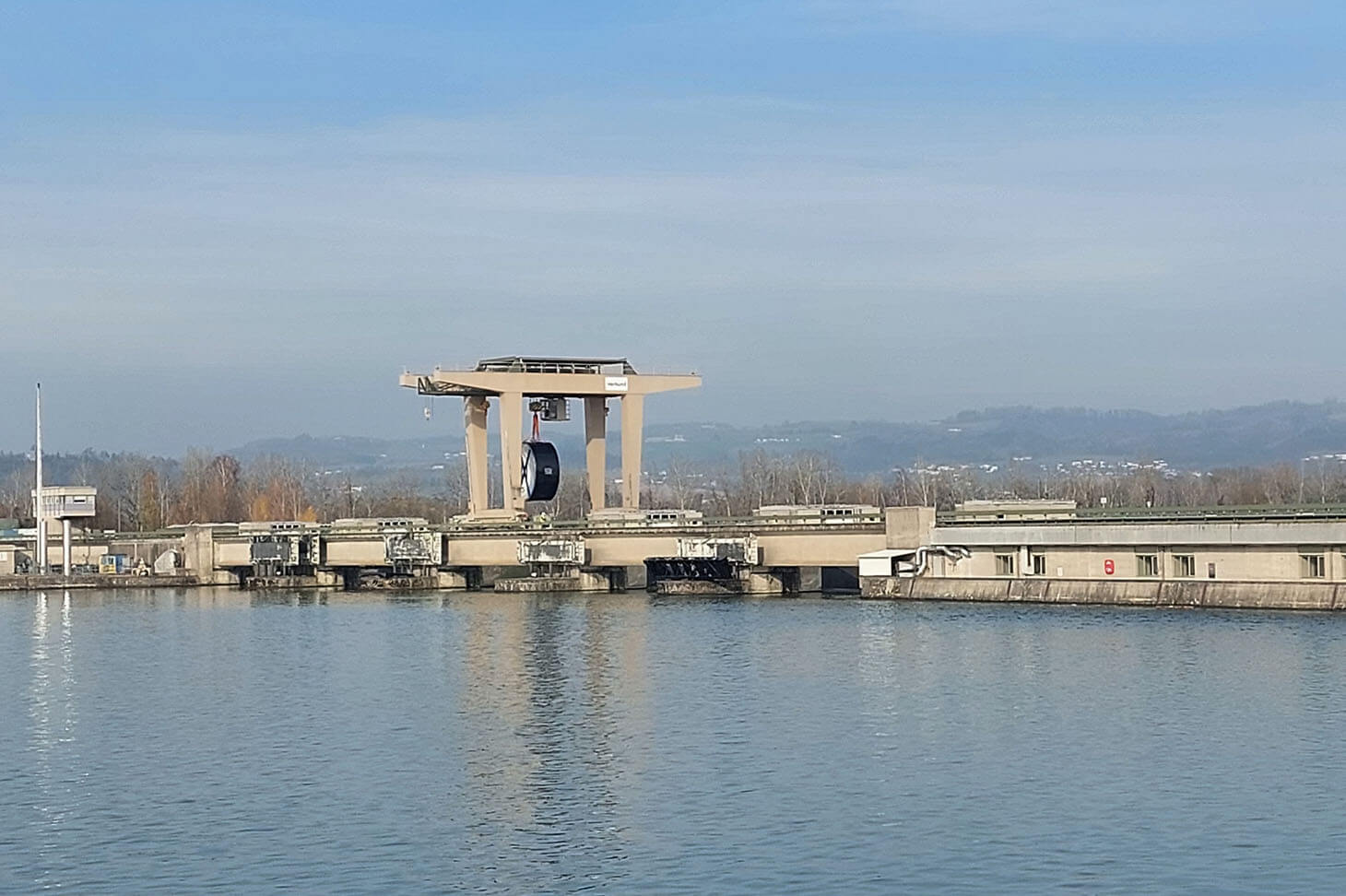
Ottensheim-29 is one of the current hydropower revitalization projects. The operator reports that since 2020, the output of the nine pairs of turbine generators at the Ottensheim-Wilhering run-of-the-river power plant on the Danube is being given a 45 MW boost. This will generate additional electricity for 16,000 households, with the aid of isovac® electrical steel strip from us.
The reliable quality of our electrical steel strip guarantees for years to come that power plant operators always have material of a consistent grade for generating electricity. “We have enjoyed years of trusted cooperation with the generator manufacturers,” says Jean-Luc F.
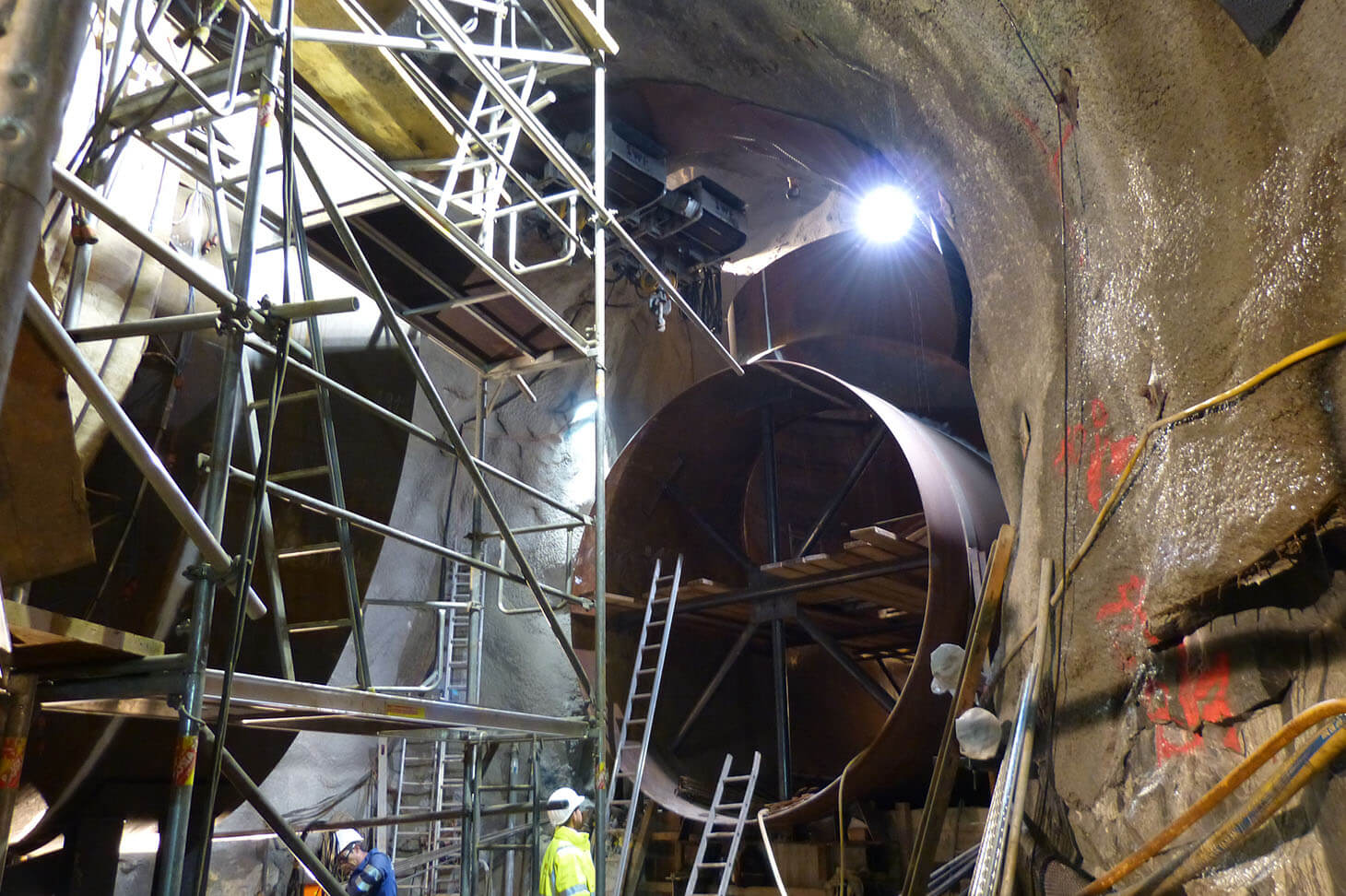
One of the major challenges of the energy transition lies in storing sustainably generated electricity. Where to put the megawatts produced by PV systems and wind turbines generating peak levels of output on sunny days with constant wind? Pumped-storage power plants are one solution. The basic principle is to pump water uphill into reservoirs using the surplus electricity generated at midday, so that the energy is available at any time as required. The operators need durable materials to turn this idea into reality. The pipe connections between reservoir and generator must be able to withstand the pressure of water volumes which often rush downwards over a distance of several hundred meters. This is only possible with reliable steel grades.
voestalpine Grobblech GmbH is accustomed to high loads and extreme demands. The fine-grained steels made in Linz can provide both the necessary yield strength of 700 MPa and trusted reliability.
“Repairing or exchanging pressure pipes in the mountains or even underground is a hugely demanding task, which is why we supply manufacturers of pumped-storage power plants with high-strength, shatterproof heavy plate which is particularly suitable for welding,” confirms Head of Marketing, Christian F. “After all, such plants often have an operating lifespan of 80 years and more.”
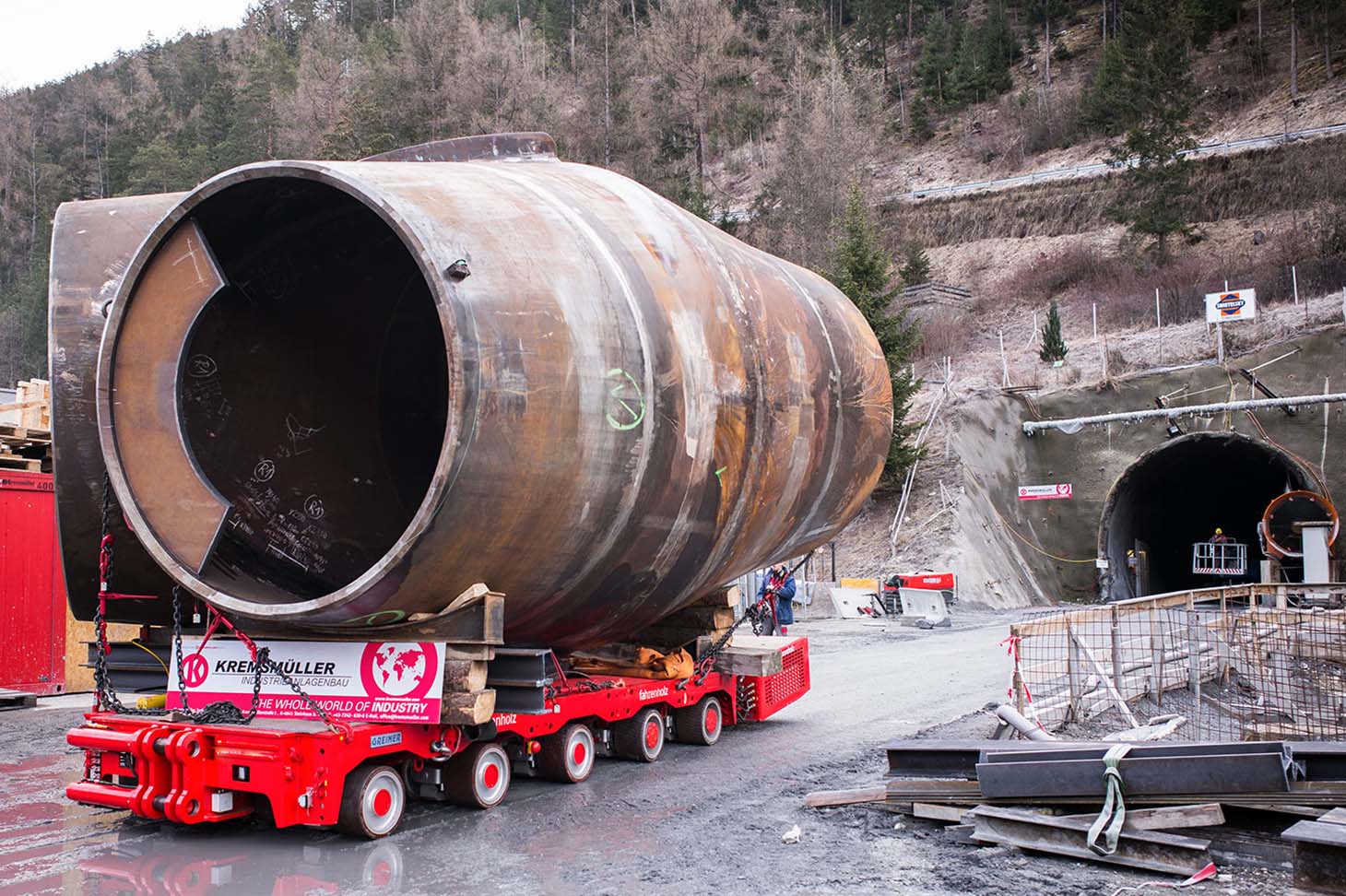
9,000 tons of our high strength heavy plate are hard at work at the Kaunertal pumped-storage plant in Tyrol, Austria. We are supporting a key aspect of the energy transition with pressure pipes which have a diameter of up to 100 mm: storing sustainably generated energy. Storage power plants are also optimal for powering up power plant networks. They can provide electricity in as little as 30 seconds.
However, large investments and extensive changes to the natural landscape are needed to construct pumped-storage power plants. In view of the current lack of network capacity, the challenges of immediately using surplus PV electricity to drive pumps located in remote areas have not yet been satisfactorily solved. Despite this, experts calculate that the continued construction of pumped-storage power plants will result in output of over 50 TWh by 2030—a 50% increase over current levels.
For decades, we have been the environmental and efficiency benchmark for the industry. We focus on sustainability out of conviction, not because it is the trend. We provide information on which sustainability criteria and standards we follow, on how we are continuously improving our carbon footprint, and about the innovative, sustainable products and solutions we develop for our customers in order to make the world a little better.
Die voestalpine ist ein weltweit führender Stahl- und Technologiekonzern mit kombinierter Werkstoff- und Verarbeitungskompetenz. Die global tätige Unternehmensgruppe verfügt über rund 500 Konzerngesellschaften und -standorte in mehr als 50 Ländern auf allen fünf Kontinenten. Sie notiert seit 1995 an der Wiener Börse. Mit ihren Premium-Produkt- und Systemlösungen zählt sie zu den führenden Partnern der Automobil- und Hausgeräteindustrie sowie der Luftfahrt- und Öl- & Gasindustrie und ist darüber hinaus Weltmarktführer bei Bahninfrastruktursystemen, bei Werkzeugstahl und Spezialprofilen. Die voestalpine bekennt sich zu den globalen Klimazielen und verfolgt mit greentec steel einen klaren Plan zur Dekarbonisierung der Stahlproduktion.