AM Powder
More Performance. Less Waste.
Shape the Future with Additive Manufacturing
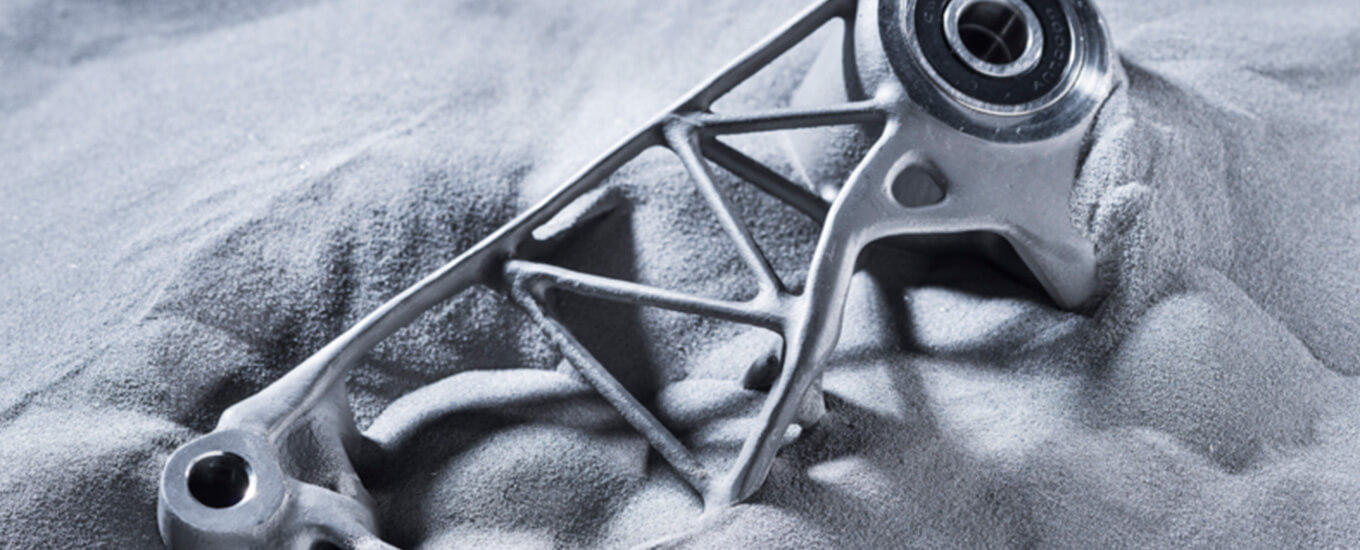
Additive Manufacturing unlocks new possibilities for high-performance tooling and engineered components. By producing parts layer by layer from 3D CAD data, manufacturers can achieve complex designs, optimized functionality, and greater resource efficiency.
From conformal cooling and lightweight structures to customized solutions and component repair, AM delivers superior performance while reducing material waste and production effort.
Combining advanced materials, metallurgical expertise, and application know-how, voestalpine supports the next generation of innovative and sustainable manufacturing.
More freedom. More performance. Less waste.
With our experts’ extensive knowledge we can support you in all industry standard additive manufacturing processes.
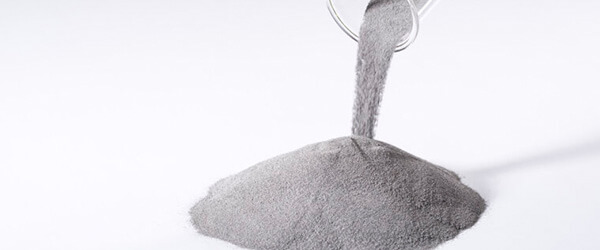
Additive Manufacturing offers a multitude of advantages compared to conventional manufacturing methods like design freedom, shorter lead times or minimum tooling costs. However, up to now there have been only a limited number of commercial alloys available for Additive Manufacturing. Since the performance-requirements of the printed parts in several applications like tooling, aerospace and automotive industry are getting more complex in terms of mechanical properties and corrosion resistance, the powder materials for Additive Manufacturing processes also have to be improved.
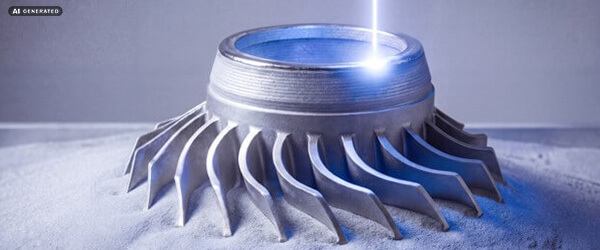
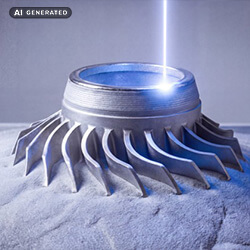
Electron Beam Melting (EBM) is a metal additive manufacturing process that uses an electron beam to selectively melt metal powder layer by layer in a vacuum environment. The process is particularly suited for producing high-performance components with excellent material integrity and low residual stress.
Benefits:
EBM enables the manufacture of robust, high-performance components for industries where reliability and material performance are critical.
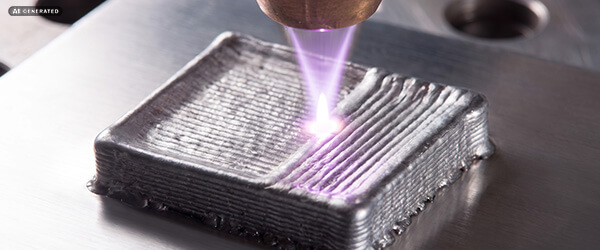
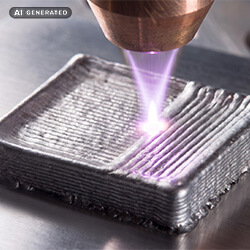
Direct Metal Deposition (DMD) is an additive manufacturing process that uses a laser to build up metal layer by layer. It is ideal for producing new components, adding features, or repairing worn parts.
Benefits:
DMD enables cost-effective manufacturing and repair of high-value metal components.
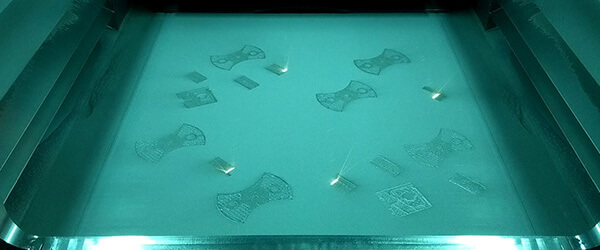
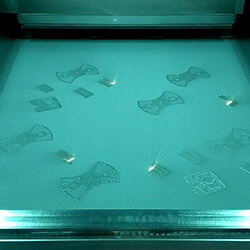
Selective Laser Melting (SLM) is a metal 3D printing process that creates components directly from digital CAD data. A laser selectively melts metal powder layer by layer, producing highly complex parts with excellent precision and material properties.
Benefits:
SLM enables the production of high-performance metal components that are difficult or impossible to manufacture with conventional methods.
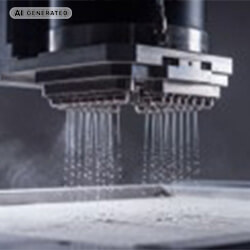
Binder Jetting is an additive manufacturing process in which a liquid binder selectively joins metal powder layer by layer to create a component. After printing, the part is sintered to achieve its final density and mechanical properties.
Benefits:
Binder Jetting enables the efficient production of complex metal components with excellent scalability and material utilization.
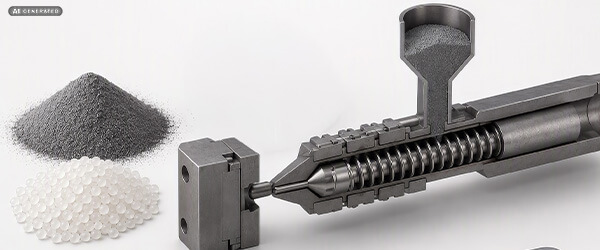
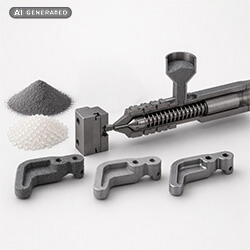
Metal Injection Moulding (MIM) combines the design flexibility of plastic injection moulding with the performance of metal materials. Fine metal powders are mixed with a binder, injection moulded into shape, and then sintered to achieve the final component properties.
Benefits:
MIM enables the economical production of small, complex metal components with high accuracy and performance.