
Additive Manufacturing
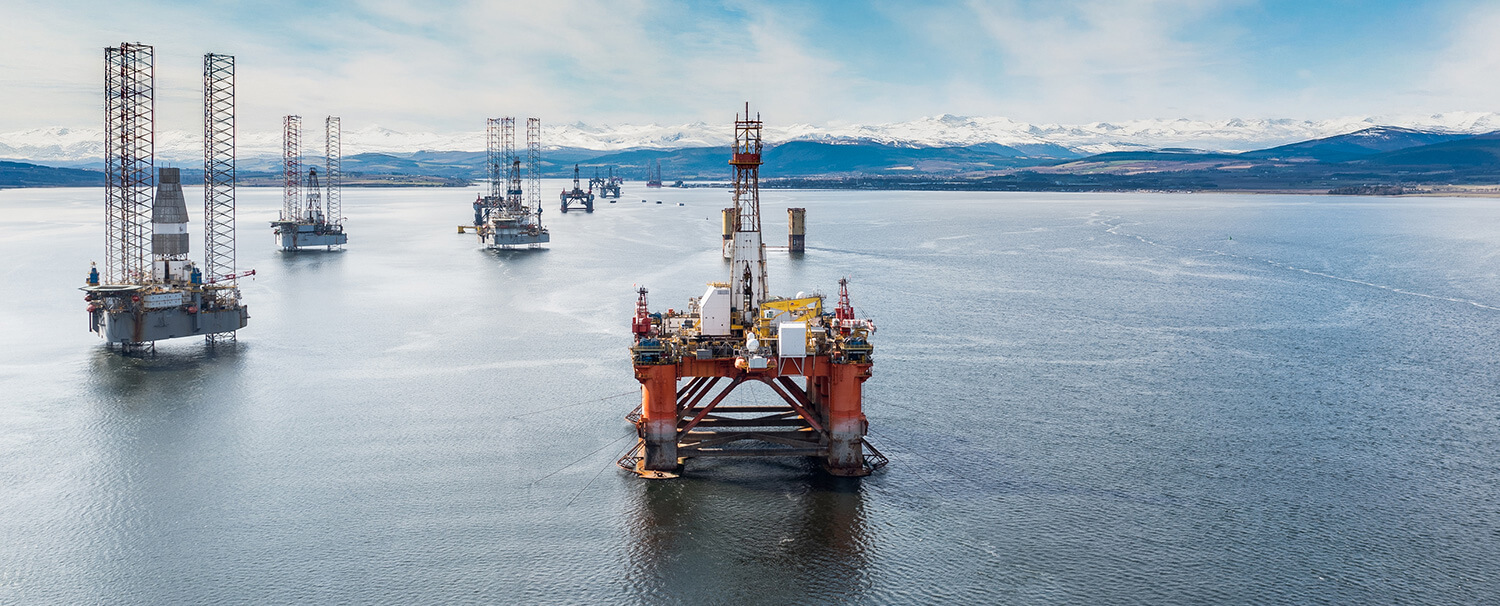
Materials & Components for the Oil & Gas Industry
As a global leader in steelmaking for more than a century, voestalpine delivers the highest-quality materials—from mill-produced specialty metals to custom forgings and tube & pipe solutions—all backed by unmatched technical expertise and long-term reliability.
We specialize in nickel alloys, duplex and super duplex grades, ferritic and martensitic stainless steels, as well as austenitic steels, providing tailored material solutions for the most demanding applications.
Our customers benefit from the unique flexibility of mill-produced made-to-spec orders combined with rapid-response availability from our extensive local stock network. This ensures fast, dependable supply—no matter the project size or urgency.
With key end-user approvals, global distribution channels, and dedicated local support in every major oil and gas hub, voestalpine provides true one-stop-shopping for demanding applications.
| Market Grade | UNS | Böhler Grade | Villares Grade | Bar | Billet | Wire Rod | Sheets/Plates | AM Powder |
|---|---|---|---|---|---|---|---|---|
Alloy 718API | N07718 | L718API | VAT718 | ● | ● | ● | ● | ● |
Alloy 925 | N09925 | L925 | VRC925 | ● | ● | ● | ||
Alloy 400 | N04400 | VRC400 | ● | ● | ● | |||
Alloy 625 | N06625 | L625 | VRC625 | ● | ● | ● | ● | ● |
F51 Duplex | S31803/S32205 | A903 | N4462 | ● | ● | ● | ||
F53 Super Duplex | S32750 | A913 | VF53 | ● | ● | ● | ||
F55 Super Duplex | S32760 | A911 | N4501 | ● | ● | ● | ||
F61 Super Duplex | S32550 | A930 | N4507 | ● | ● | ● | ● | |
Nit 50 | S21800 | P511 | VXM19 | ● | ● | ● | ● | |
Nit 60 | S21800 | P513 | VXM218 | ● | ● | ● | ● | |
Ti Grade 2/5/7/12 | R50400/6400/2400/3400 | ● | ● | ● | ● |
For a more extensive look at our materials, click the categories below.
The main component of nickel-based alloys is the element nickel. Nickel-based alloys are mainly used as high-temperature materials and as chemically resistant materials, whereby the resistance to the high operating temperatures and the ambient conditions is determined in particular by the alloying elements chromium, molybdenum, cobalt, tungsten and aluminium, among others. On the one hand, the alloying elements are responsible for solid solution hardening of the austenitic Ni solid solution, but on the other hand they are also used for precipitation hardening and particle strengthening. Depending on the required properties, nickel-based alloys often contain more than ten different alloying elements. The permanent operating temperatures of nickel-base alloys are up to about 1,100 °C. Nickel-iron, nickel-iron-chromium, nickel-chromium, nickel-molybdenum-chromium and nickel-chromium-cobalt alloys are used in particular. Most nickel alloys are classified according to international standards. Nickel materials are used in a wide range of applications, especially in:
Nickel-based superalloys refer to alloys with a special composition that are produced specifically for high-temperature applications (e.g. in engine construction). The main advantage of nickel-based superalloys is their creep and fatigue strength at high temperatures. From about 550 °C, they are superior to high-temperature steels in this respect. Precipitation hardening by intermetallic phases means that nickel-base superalloys can be used up to temperatures of 1,100°C. The properties are generally influenced by the creep and fatigue strength of the nickel-base superalloys. The properties are usually achieved by alloying with aluminium and/or titanium and niobium. The resulting Ni3[Al,Ti, Nb] precipitates take on a characteristic block-like structure at higher alloy contents. In addition, creep is prevented by thermodynamically controlled grain boundary networks of M23C6 carbides and other phases. Since the corrosion resistance of the alloys is also very high due to the formation of a very dense oxide layer, these materials are the first choice for construction materials in gas turbines of power plants and in aircraft turbines. Depending on the requirements and the alloying situation, nickel alloys are preferably melted in air in electric arc furnaces, sometimes also in vacuum induction melting processes, especially if they contain high contents of oxygen affine elements, e.g. Ti and Al. This is usually followed by remelting using the electroslag remelting process (ESR) or the vacuum arc furnace process (VAR) to improve homogeneity and the degree of purity. The chemical composition in general often requires narrow temperature windows for hot forming and heat treatment.
Related Products
BÖHLER L004 belongs to the group of highly corrosion-resistant nickel-chromium-molybdenum alloys with very low carbon, iron and silicon content and has good corrosion resistance, even at elevated temperatures. The combination of chromium with a high molybdenum content gives BÖHLER L004 exceptional resistance to a wide range of chemical media: e.g. contaminated, reducing mineral acids and good resistance under reducing and oxidizing conditions, e.g. hot, contaminated media such as sulphuric acid, nitric acid, dry chlorine, formic acid, acetic acid, solvents, chlorine and chloride-containing media. BÖHLER L004 exhibits a significantly reduced tendency to form precipitates in the temperature range between 650 and 1,040 °C due to the alloy composition. This improves resistance to intergranular corrosion. Due to the high nickel content, the material is practically insensitive to chloride-induced stress corrosion cracking even in hot chloride solutions. Due to its excellent thermal stability, the alloy can be welded without any problems and is generally used in the welded condition. Suitable for pressure vessels with wall temperatures from-196°C to 400°C.
Read MoreBÖHLER L022 belongs to the group of highly corrosion-resistant nickel-chromium-molybdenum-tungsten alloys with extremely low carbon and silicon contents. Good resistance to wet media, e.g. sulphuric acid, nitric acid, acid mixtures of sulphuric acid and oxidising acids with chloride ions. Recommended for use in the presence of strong oxidising agents such as iron(III) and copper(II) chlorides, chlorine gas, formic acid, acetic acid, seawater and other salt solutions. High resistance to crevice, pitting and stress corrosion cracking at elevated temperatures under oxidising and reducing conditions. Used in environmental engineering, e.g. in agitators, heat exchangers and spray systems in flue gas cleaning plants and in waste water treatment plants, evaporation plants in chemical process engineering, in chlorine bleaching plants and plants for the production of chlorine gas and hydrogen chloride, e.g. butterfly valves, gate valves, pipelines and centrifuges. Suitable for pressurised containers with wall temperatures from-196°C to 400°C. Due to its good thermal stability, BÖHLER L022 can generally be used in the welded condition without subsequent heat treatment.
Read MoreBÖHLER L059 (2.4605/N06059) is a nickel-chromium-molybdenum material with high mechanical strength and excellent corrosion resistance. Due to its particularly low carbon and silicon content, the material does not tend to form precipitates at grain boundaries during welding or hot forming. BÖHLER L059 offers excellent corrosion resistance, both under oxidizing and reducing conditions, high resistance to chloride-induced pitting and crevice corrosion as well as insensitivity to stress corrosion cracking and resistance to mineral acids, especially sulphuric/hydrochloric acid mixtures. The alloy is therefore suitable for a wide range of applications in the chemical, petrochemical, energy and environmental technology sectors in chloride-containing media, in particular plant components in the pharmaceutical industry and also agitators for flue gas desulphurization plants (FGD) in fossil-fired power plants and waste incineration plants, components for seawater and concentrated brines, equipment and components for geothermal and sour gas applications, reactors for acetic acid and acetic anhydride as well as hydrofluoric acid and sulphuric acid coolers.
Read MoreBÖHLER L276 is a nickel-chromium-molybdenum alloy with universal corrosion resistance unmatched by any other alloy. It has outstanding resistance to a wide variety of chemical process environments including ferric and cupric chlorides, hot contaminated mineral acids, solvents, chlorine and chlorine contaminated (both organic and inorganic), dry chlorine, formic and acetic acids, acetic anhydride, sea water and brine solutions and hypochlorite and chlorine dioxide solutions. BÖHLER L276 also resists formation of grain boundary precipitates in the weld heat affected zone making it useful for most chemical processes in the as-welded condition. BÖHLER L276 has excellent resistance to pitting and stress corrosion cracking. Some typical applications of BÖHLER L276 include equipment components in chemical and petrochemical organic chloride processes and processes utilizing halide or acid catalysts. Other industry applications are pulp and paper (digesters and bleach areas), scrubbers and ducting for flue gas desulfurization, pharmaceutical and food processing equipment.
Read MoreBÖHLER L303 is a corrosion and heat resistant nickel alloy in the form of bars, forging and forging stock. The alloy’s high-temperature strength is derived from its solid solution strengthening elements of molybdenum, cobalt, and chromium, and its age-hardening elements, aluminum and titanium. Its strength and stability ranges are higher than those typically available for Alloy 718. It is widely used typically for rotating parts, such as compressor and gas turbine blades, disks, hubs, shafts bolts and spacers requiring high strength up to 1500°F (816°C) and oxidation resistance up to 1750°F (954°C) but usage is not limited to such applications.
Read MoreNickel-Chromium-Cobalt-Molybdenum-Alloy, used for gas turbin components and temperautes up to 1100°C.
Read MoreBÖHLER L625 is a non-magnetizable corrosion and heat resistant nickel alloy in the form of bars, forgings and semi-finished products up to max 254 mm diameter/ cross-section and oxidation resistant up to 1093°C. Best fatigue strength and resistance to stress corrosion cracking when exposed to chloride containing media. Good weldability.
Read MoreBÖHLER L718AMS is a corrosion and heat resistant nickel alloy – precipitation hardenable – in the form of bars, forging and forging stock. High resistance to creep and stress-rupture up to 1300°F (704°C) and oxidation resistance up to 1800°F (982°C). High duty parts and components for oil & gas and CPI applications, components for automotive, gas turbines, aerospace engines, high-speed airframe parts such as disks, buckets, spacers and high temperature bolts and fasteners.
Read MoreBÖHLERL718 API (UNS N07718) is a high-strength, corrosion-resistant nickel-chromium-iron-molybdenum material with excellent corrosion resistance, especially in H2S and CO2 environments. The alloy is age-hardenable due to the addition of niobium, titanium and aluminium. BÖHLER L718 API is recognised by the oil industry for its simple and cost-effective production in combination with good tensile, fatigue, creep and fracture strength and is used in a wide range of applications in this sector. BÖHLER L718 API has excellent weldability and is resistant to cracking after welding. The material can be used at high temperatures. BÖHLER L718 API is available in the NACE/API 6A CRA versions with a minimum yield strength of 120/140 ksi and also in the high-strength version with 150 ksi. All hardness grades are suitable for sour service and can be used for pressurising and pressure-controlling equipment in corrosive environments. Typical applications include packers, pumps, connectors and fasteners as well as gate valves, throttle spindles, pipework hangers and fire safe valves, but also a wide range of downhole and completion components, nuclear and surface applications.
Read MoreBÖHLER L718HCB is a corrosion and heat resistant nickel alloy – precipitation hardenable – in the form of bars, forging and forging stock. High resistance to creep and stress-rupture up to 1300°F (704°C) and oxidation resistance up to 1800°F (982°C). High duty parts and components for gas turbines, aerospace engines, high-speed airframe parts such as disks, buckets, spacers and high temperature bolts and fasteners. Compared to standard alloy 718 AMS limits, Cb in L718HCb is adjusted in the upper range of the standard limits in order to enhance mechanical properties. L718HCb is typically used for high temperature bolting and fasteners.
Read MoreBÖHLER L725 (UNS N07725) is an age-hardenable nickel-chromium-molybdenum-niobium alloy with comparable corrosion resistance to Alloy 625. The strength of Bohler L725 in the age-hardened condition is approximately twice that of annealed Alloy 625 and comparable to Alloy 718. The high nickel and chromium content provides corrosion resistance in reducing and oxidizing environments, while the molybdenum content increases resistance to reducing media and offers high resistance to pitting and crevice corrosion. The combination of elements makes the alloy resistant to hydrogen embrittlement and stress corrosion cracking. BÖHLER L725 is also approved according to NACE MR0175 for use under sour gas conditions. The alloy was originally developed for oilfield applications such as wellheads and well completions, safety valves and other downhole components where it resists the effects of hydrogen sulfide, chlorides and carbon dioxide. The alloy is also attractive for pumps and propeller shafts as well as for high-strength fasteners and hydraulic couplings in marine applications subject to corrosion, pitting and crevice attack in seawater.
Read MoreBÖHLER L825 (UNS N08825) is an austenitic nickel-iron-chromium alloy with additions of molybdenum, copper and titanium with exceptional resistance to many corrosive environments. The nickel content of BÖHLER L825 promotes resistance to chloride stress corrosion and, in combination with molybdenum and copper, offers significantly better corrosion resistance in reducing environments than conventional austenitic stainless steels. The chromium and molybdenum content provides resistance to pitting by chlorides as well as resistance to a wide range of oxidising atmospheres. The addition of titanium prevents sensitisation in the welded state and increases resistance to intergranular corrosion. The material can be used in a variety of process environments, including sulphuric, sulphuric, phosphoric, nitric, hydrofluoric and organic acids and alkalis such as sodium or potassium hydroxide and acidic chloride solutions. BÖHLER L825 can be easily formed and welded using a variety of techniques. BÖHLER L825 exhibits good toughness in continuous operation up to temperatures of around 550 °C and is suitable for pressure vessels with wall temperatures of up to 538 °C.
Read MoreBÖHLER L925 (UNS N09925) is an age-hardenable nickel-iron-chromium alloy with additions of molybdenum, copper, titanium and aluminium and is designed for high strength and excellent corrosion resistance. The nickel content provides protection against chloride-ion stress corrosion cracking and, in combination with molybdenum and copper, also offers excellent resistance to reducing chemicals. Molybdenum aids resistance to pitting and crevice corrosion. The chromium content of the alloy ensures resistance in oxidising environments. The alloy exhibits a high degree of corrosion resistance in H2S and CO2 environments and is particularly suitable for sour (H2S-containing) crude oil, natural gas, sulphuric acid, phosphoric acid and seawater. BÖHLER L925 offers high strength and maintains this strength even at high temperatures. BÖHLER L925 meets the requirements of NACE MR0175 and API 6A CRA for acidic applications and can be used for pressure-maintaining and pressure-controlling equipment in corrosive environments. Typical applications include packers, safety valves, pumps, hangers, connectors, fasteners and numerous downhole and surface applications.
Read MoreBÖHLER LHX is a corrosion and heat resistant nickel alloy in the form of bars, forging and forging stock. Resistant to oxidation up to 2200°F (1204°C) and high strength above 1500°F (816°C). It is widely used typically for parts, in engines especially for combustion chambers, after burners and exhaust components but usage is not limited to such applications.
Read MoreStainless duplex steels have a structure consisting of around 50 % ferritic and around 50 % austenitic microstructure. In order to achieve this mixed structure, ferrite formers (Cr, Mo, Si, W…) and austenite formers (Ni, N, Mn) are brought into a balanced relationship with one another. The ferrite-austenite balance is determined not only by the alloy composition, but also by the heat treatment.
Duplex stainless steels are categorised according to their corrosion resistance, which in turn depends on the alloying elements. The most common indicator for this is the Pitting Resistance Equivalent Number (PREN) calculated according to the formula %Cr + 3.3 %Mo + 16-30 %N.
Lean duplex grades (such as EN 1.4362/UNS S32304) have a PREN value of 22 to 27, a comparatively low nickel content and are not or only slightly alloyed with molybdenum. They are best suited for less aggressive conditions.
Standard duplex steels (the most common representative is grade EN 1.4462/ UNS S32205) have a PREN value between 28 and 38, contain 22 % chromium and 3 % molybdenum. They cover the medium range of corrosion resistance.
Super duplex steels (e.g. grade EN 1.4507/UNS S32520) have a PREN value between 39 and 45 and are alloyed with 25 % chromium, 3.5 % molybdenum and 0.22 % to 0.3 % nitrogen. Hyper-duplex steels have a PREN value > 45. Super and hyper-duplex steels are intended for particularly aggressive conditions, usually in the oil and gas industry.
Duplex steels usually have twice the yield strength of standard austenitic grades and are magnetisable in proportion to their ferrite content. Compared to standard austenitic grades, duplex steels are generally more resistant to stress corrosion cracking due to their lower Ni content.
Due to the strong tendency to precipitate and the associated embrittlement, the continuous service temperature of all duplex steels is limited to approx. max. 300°C and therefore size/wall thickness restrictions must be taken into account during production.
Related Products
BÖHLER A903 (UNS S32205) is the most common stainless ferritic-austenitic Cr-Ni-Mo steel with nitrogen addition. In addition to good strength properties, this steel offers high corrosion resistance, especially against stress corrosion cracking in chloride-containing solutions, and is resistant to intergranular corrosion up to 300°C. The alloy should not be used at temperatures above 300°C due to embrittlement. Heat treatment after welding is not necessary. Required surface finish: pickled, scale-free heat treated or machined. Commonly used in the oil and gas industry, hydroelectric power, pressure vessels, pulp and paper industry, components and chemical tanks, such as parts for separators and heat exchangers and parts in the paper industry, oil and gas extraction , compressors, seawater desalination.
Read MoreBÖHLER A911SA is a ferritic-austenitic stainless steel of Type 25%Cr with PREN of min. 40. It offers excellent corrosion resistance against general corrosion, stress corrosion cracking, corrosion fatigue, pitting, crevice and erosion corrosion and possessing very high mechanical strength properties. However, it contains less copper compared to other super Duplex SS but a deliberate addition of tungsten instead, claimed to selectively improve corrosion resistance. Good weldability, post weld heat treatment not necessary. Max. temperature for long periods of service: 280°C (535°F ) / (300°C/570°F possible for short periods). Surface condition for optimum corrosion resistance: pickled or machined. Components in offshore, waste water, sea water desalination and chemical plants with aggressive chloride-containing media e.g. heat exchangers, separator parts, compressor and pump components, turbine blades.
Read MoreBohler A913 (UNS S32750) is the most widely used super duplex grade on the market and is a 25%Cr ferritic-austenitic stainless steel with PREN min 41. The steel offers highest corrosion resistance and good strength properties and is especially suitable for use in aggressive environments containing chlorides. Good weldability, heat treatment after welding is not required. Excellent resistance to general corrosion, stress corrosion cracking, vibration cracking, pitting and crevice corrosion as well as erosion corrosion. Max. operating temperature for long-term use: 280°C (short-term exceeding up to 300°C permissible). Required surface finish: pickled or machined. Components exposed to seawater such as heat exchangers, feed or injection pumps, propeller shafts, highly stressed parts in chemical and waste water plants and for oil and gas production (e.g. manifolds), separators, turbine and fan blades, low-pressure compressor components.
Read MoreBÖHLER A930 is a stainless ferritic-austenitic steel of the 25%Cr type. Highest corrosion resistance and good strength properties. Good weldability, heat treatment after welding is not required. Excellent resistance to general corrosion, stress corrosion cracking, vibration cracking, pitting and crevice corrosion as well as erosion corrosion. Max. operating temperature for long-term use: 280°C (short-term exceeding up to 300°C permissible). Required surface finish:pickled or machined. BÖHLER A930 (UNS S32550, 1.4507, F61) is the original super duplex stainless steel. As such, it was the first alloy to be called “super duplex” and is based on a chromium content of 25 %. Compared to the later alternatives UNS S32750 and UNS S 32760, it is the only grade with an increased copper content for better pitting corrosion resistance. Components in offshore, waste water, seawater desalination and chemical plants with aggressive chloride-containing media, e.g. heat exchangers, separator parts, compressor and pump components, turbine blades.
Read MoreThe most important alloying elements of such steels are Cr and Mo. A ferritic, body-centred cubic solid solution structure can be achieved through a special balance of the alloying elements. Cr, Mo and others act as strong ferrite-stabilising elements. The elements stabilising the austenite, such as Ni, Mn, C, N, are kept very low. The Cr content of ferritic stainless steels is usually between 12 and 28%. In the case of high-performance steels in particular, so-called superferrites, extremely low C and N contents are aimed for, which has a positive effect on the toughness characteristics. Ni is added in small quantities as a toughness-enhancing alloying element. Ferritic steels are highly ferromagnetic.
Corrosion resistance is essentially determined by the Cr and Mo content. Resistance to intergranular corrosion is determined by the free Cr content, i.e. the Cr content in the solid solution that is not bound in the form of Cr carbides.
In general, ferritic stainless steels have a slightly higher strength and are significantly more resistant to stress corrosion cracking than austenitic Cr-Ni-(Mo) steels. Formability, on the other hand, is comparatively poorer, as is toughness, which also depends heavily on the cross-section. Ferritic stainless steels also show a pronounced transition from ductile to brittle fracture behaviour with decreasing temperature.
Due to these limitations, their use is severely restricted to thin-walled products (sheets, strips, pipes) in all industrial sectors and in corrosive media, e.g. for household goods, chemical process technology, magnetic applications and many more.
Martensitic and semi-martensitic stainless steels are ferromagnetic and have a microstructure consisting mainly of a martensitic phase (carbon martensite), possibly with small amounts of secondary phases, mainly ferrite and carbides. Such steels are tempered to higher strengths by heat treatment, e.g. hardening and tempering. The Cr content is approx. 12 to 18%, with proportions of Mo and Ni. Depending on the C and N content and the proportion of ferrite, high strengths and good wear resistance can be achieved with these steels.
Martensitic and semi-martensitic stainless steels have lower toughness and a relatively high transition temperature, are difficult to weld and generally require subsequent heat treatment, which means that their use is usually limited to non-welded parts. In order to achieve a martensitic or semi-martensitic microstructure, the Cr content tends to be in the low range and some of the chromium is bound in carbide precipitates. As a result, the corrosion resistance is comparatively lower and is usually below that of standard austenitic steels. For this reason and also because of their limited toughness, martensitic stainless steels are used where strength and hardness are primarily required, e.g. for cutting tools, general mechanical engineering, shafts and fasteners.
Related Products
BÖHLER N114 is a modified 13% chromium steel with special soft magnetic properties, namely very low coercive force and high electrical resistance. Due to the high sulphur content, the material can be machined very well, for example on automatic machining centres. BÖHLER N114 has very good hot and cold extrusion properties. Used for stainless parts for mechanical and electrical engineering, e.g. solenoid valves, pistons, back-locking parts, pole cores, shields and magnetic armatures. Delivery condition annealed ex works. A final annealing treatment for magnetic properties must be carried out after cold forming, e.g. extrusion, upsetting or extensive machining processes.
Read MoreBÖHLER N324 is a heat-treatable, corrosion-resistant steel with 13% Cr, 1.3% Mo and 1.2% Ni. The sulphur content of approx. 0.2% improves machinability. This steel has better corrosion resistance, hardness and toughness than standard steels with 13% Cr. A high surface quality is required to achieve adequate corrosion resistance after hardening and tempering. A polishing and passivation treatment is recommended. Tempering above 427 °C [800 °F] leads to reduced corrosion resistance. Products made from this steel are used for parts in general engineering and non-critical cutting and non-cutting medical applications with a hardness of up to 48/53 HRC that require resistance to wear and corrosion. Typical parts include knives, scissors, drills, screws and blades. Grades with improved machinability should not be used for critical parts of surgical instruments and should only be considered for instrument applications if appropriate measures can be taken during manufacture to minimize the inherent limitations of this alloy class.
Read MoreBÖHLER N352 is a martensitic chromium steel with nickel addition. Heat treatable grade, capable of taking a mirror finish. Higher corrosion resistance compared to 13% chromium steal. Resistant to the effects of seawater, weak acids and alkaline solutions, as well as to acids having a strong, oxidizing effect such as nitric acid. Surface finish for optimum corrosion resistance: fine ground or polished. For components subject to high mechanical and corrosive stress, e.g. screws and shafts, at operating temperatures up to approx. 752° F.
Read MoreBÖHLER N352S1 is a martensitic chromium steel with nickel addition. Heat treatable grade, capable of taking a mirror finish. Higher corrosion resistance compared to 13% chromium steel. Resistant to the effects of seawater, weak acids and alkaline solutions, as well as to acids having a strong, oxidizing effect such as nitric acid. Surface finish for optimum corrosion resistance: fine ground or polished. For components subject to high mechanical and corrosive stress, e.g. screws and shafts, at operating temperatures up to approx. 752° F.
Read MoreBÖHLER N360 is a premium aircraft quality corrosion resistant, martensitic stainless steel, produced using the P-ESR-process. Compared to conventionally produced Cr and CrMo steels, BÖHLER N360 offers improved corrosion resistance and toughness properties as well as high hardness and compressive strength. It is typically used for anti-friction bearing components e.g. bearings, ball screws and wear resistant components for use in the aircraft industry and for automotive components, requiring resistance to both corrosion and wear with hardness not lower than 58 HRC after hardening and tempering, but usage is not limited to such applications.
Read MoreBÖHLER N400 is a stainless soft martensitic Cr steel with 4% nickel with molybdenum addition and medium corrosion resistance in media with only a low chloride content. To achieve the best possible corrosion resistance with BÖHLER N400, it is essential to polish the surfaces concerned. Good mechanical properties in the quenched and tempered condition. This makes this material very suitable for use in turbine and power plant construction. Very good low-temperature properties. Recommended temperature of use: – 60 to 350°C. Use for valves, pumps, compressors, centrifuges, hydroelectric machines, turbines, reactor technology, shipbuilding, chemicals. Special heat treatment to max. 23 HRC is required for sour gas enviroment in petroleum engineering.
Read MoreBÖHLER N404 is a stainless, soft martensitic Cr steel with 5% nickel and molybdenum addition with higher corrosion resistance than that of stainless steels of type 1.4313. The molybdenum addition also permits limited use in the maritime sector. BÖHLER N404 is particularly insensitive to intergranular corrosion and very resistant to fatigue and stress corrosion cracking and offers good mechanical properties in the quenched and tempered condition. This makes this material very suitable for use in the oil and gas sector, e.g. for fittings, pumps, compressors, centrifuges, hydropower machinery, reactor technology, shipbuilding, chemicals, petroleum technology, aviation and refrigeration technology. Very good low-temperature properties. Recommended application temperature from – 60 to 350°C. Special heat treatment to max. 23 HRC is required for sour gas stress in petroleum technology. In order to achieve the best possible corrosion resistance, the relevant surfaces must be polished.
Read MoreBÖHLER N425 (UNS S41427) – Super 13Cr – is a martensitic stainless steel with a nickel content of approx. 5% and 2% molybdenum, with excellent corrosion resistance in a CO2 environment and at low concentrations of chlorides and H2S and is more resistant than comparable 13%Cr steels. The steel is particularly resistant to intergranular corrosion and stress corrosion cracking, is easy to weld and offers good mechanical properties in the quenched and tempered condition even at low temperatures. Recommended application temperature from – 60 to 350°C. The material is specially tested for toughness and behavior under sour gas load. In order to achieve the best possible corrosion resistance, it is essential to polish the relevant surfaces. BÖHLER N425 is available with a minimum yield strength of 95 ksi and maximum hardness of 29 HRC, making it suitable for limited NACE oxygen applications and also available as a 110 ksi version for standard and CO2 applications. This material is used in downhole completion tools for components such as packers, safety valves and other applications.
Read MoreBÖHLER N664 is a corrosion-resistant steel with 17%Cr and Mo-addition in the form of bars, wire, forgings, and forging stock. These products have been used typically for parts in general engineering and cutting and non cutting medical applications , e.g. chisels, knives, osteotomes, scalpels drills, retractors, spreaders, tongs requiring hardness up to 56/57 HRC and resistance to wear, corrosion, and oxidation depending on instrument design and application but usage is not limited to such applications.
Read MoreBÖHLER N685 is a corrosion-resistant steel with molybdenium and vanadium additions in the form of bars, wire, forgings, and forging stock. These products have been used typically for parts in engineering and medical applications requiring hardness up to 58 HRC and resistance to wear, corrosion, and oxidation, but usage is not limited to such applications.
Read MoreBÖHLER N695 is a Chromium alloyed stainless steel with high hardness, wear resistance and good corrosion resistance in the hardened and tempered condition. this grade is typically used for parts requiring hardness up to 58 HRC and resistance to wear, corrosion, and oxidation, e.g. balls, rollers, needles and rings for corrosion resistant bearings, but usage is not limited to such applications.
Read MoreBÖHLER N695SA is a high-grade, vacuum remelted chromium stainless steel of aerospace quality, offering high hardness, wear resistance, and good corrosion resistance in the quenched and tempered condition. Compared to air-melted quality, this steel exhibits improved rolling contact fatigue properties and is typically used for components requiring hardness up to 58 HRC and resistance to wear, corrosion, and oxidation—such as balls, rollers, needles, and rings for corrosion-resistant bearings—although its use is not limited to these applications.
Read MoreAustenitic stainless steels are essentially non-magnetic, have a medium yield strength, high work hardening tendency, high tensile strength, good ductility and excellent toughness even at low temperatures, are easy to weld and can be easily fabricated into complex shapes.
The most important alloying elements of such steels are Cr, Ni, Mn, Mo, C, N. The austenitic, face-centred cubic solid solution structure is achieved by a special balance of the alloying elements. Cr, Mo and others act as ferrite-stabilising elements in this context. Ni, Mn, C, N stabilise the austenitic solid solution. As a rule, a completely austenitic microstructure is aimed for in high-performance steels (super austenites); a small proportion of ferrite can occur in standard steels. This ferrite content makes these grades slightly ferromagnetic.
The corrosion resistance is essentially determined by the Cr and Mo content; the resistance to pitting and crevice corrosion is determined by the pitting corrosion equivalent PREN = %C+3.3%Mo + (16 -30)%N.
The resistance to intergranular corrosion is determined by the free Cr content, i.e. the Cr content not bound in the form of Cr carbides.
Standard steels with Ni contents of 10 to 15% Ni are particularly susceptible to stress corrosion cracking.
Austenitic high-performance steels are designed to be particularly resistant to corrosion under aggressive conditions, e.g. in strong acids, alkalis and chloride-containing media such as brackish water, seawater and brine. These types of steel tend to exhibit higher strength and greater resistance to stress corrosion cracking.
The mechanical strength in the steel group is determined by the alloy content, in particular the N content.
Austenitic Cr-Mn-Ni-Mo-N steels form a subgroup of this steel category. They have a higher initial strength and a more pronounced tendency to work hardening and are often considered a more economical alternative to Cr-Ni-Mo steels.
Austenitic steel is frequently used in the chemical industry, construction, waste water technology, sanitary engineering and the food industry, as well as in shipbuilding and medical technology. Good weldability plays an important role here.
In addition to corrosion resistance, easy cleaning after use also plays a major role in the decision in favour of these materials.
Related Products
A101 is an austenitic stainless Cr-Ni-Mo-steel with sulfur addition for improved machinability, ideal for the production of drilled and milled screenplates and –drums for the pulp and paper industry.
Read MoreBÖHLER A204 is a stainless austenitic Cr-Ni-Mo steel with a low carbon content, highly polishable and good cold formability. Good resistance to body perspiration, reducing acids such as diluted sulphuric and hydrochloric acid and to localized corrosion attack in media containing chlorine ions. Resistant to intergranular corrosion up to 400°C. Application for the watch and jewelry industry as well as mechanical and apparatus engineering.
Read MoreBÖHLER A220 is a low carbon, chromium-nickel-and molybdenum steel. Structure homogeneous, stable austenite. Weldable with analogous filler metal giving fully austenitic deposit. Resistant to intergranular corrosion in the temperature range up to 400°C. Does not require post-weld heat treatment. Resistance to acids having a reducing effect, like diluted sulphuric acid and hydrochloric acid is good. The steel is not susceptible to pitting, crevice and stress corrosion cracking in media containing chloride ions and possesses excellent resistance to the attack of urea. For optimum resistance, surfaces should be pickled. Cold forming properties are good. The steel is capable of taking a mirror finish. Components for urea plants, pump heads, valve stems, condensers, reactors, strippers, scrubbers. Equipment and parts in the dyeing industry, textile, paper and leather, chemical, pharmaceutical and synthetic fibre industries.
Read MoreBÖHLER A220SC is a low carbon, chromium nickel and molybdenum steel. Structure homogeneous, stable austenite. Weldable with analogous filler metal giving fully austenitic deposit. Resistant to intergranular corrosion in the temperature range up to 750°F (400°C). Resistance to acids having a reducing effect, like diluted sulphuric acid and hydrochloric acid is good. The steel is not susceptible to pitting, crevice and stress corrosion cracking in media containing chloride ions and possesses excellent resistance to the attack of urea and biocompatibility. Cold forming properties are good. The steel is capable of taking a mirror finish. The steel is produced as a remelt grade and thus meets the usual requirements for steel purity as specified for implant material.
Read MoreBÖHLER A224 is a stainless austenitic Cr-Ni-Mo steel with low carbon content. Resistant to intergranular corrosion up to 750°F (400°C). Heat treatment after welding not required. Good resistance to reducing acids, such as diluted sulfuric and hydrochloric acid, and to localized corrosion attack in media containing chlorine ions. Required surface finish pickled or polished. Very good cold formability, highly polishable.
Read MoreBÖHLER A405 is a stainless austenitic Cr-Ni-Mo steel with nitrogen content and extremely low carbon content. Resistant to intergranular corrosion up to 400°C. Heat treatment after welding is not required. Required surface finish: pickled. Very good cold formability. Very good polishability. The chemical composition has been optimised for specific use in urea systems. It is a modified austenitic stainless steel 310L with low carbon and silicon content and nitrogen addition to stabilise and strengthen the austenitic phase. The alloy has been specially developed for improved corrosion resistance properties in urea carbonate environments. The grade is also suitable for wet corrosive environments due to its high chromium, molybdenum and nitrogen content (PREN > 33). For components with the highest resistance requirements to boiling, concentrated nitric acid and solutions with a high chloride content at high temperatures, as well as for highly stressed systems in the urea industry, e.g. urea separators or complementary products (pipes, fittings, etc.).
Read MoreBÖHLER A750 is an austentic, corrosion and heat-resistant chromium nickel steel, niobium stabilized and solution treated. It have been used typically for parts requiring good corrasion resistance and which will be subjected to elevated temperatures during fabrication or in service and for parts requiring oxidation resistance up to 1500 °F (816°C), but usage is not limited to such applications. Compared to common 13% chromium steel, it offers higher corrosion resistance at lower strength and good weldability. No post-weld heat treatment required. The steel is resistant to atmospheric corrosion and the action of steam, water and acid as well as alkaline solutions. For optimum resistance, surfaces should be pickled or polished. Cold forming properties are very good. The steel is capable of taking a mirror finish.
Read MoreBÖHLER A959 (Alloy 28, UNS N08028, W. Nr. 1.4563) is a nickel-iron-chromium alloy with additions of molybdenum and copper. It has excellent resistance to both reducing and oxidizing acids, to stress-corrosion cracking, and to localized attack such as pitting and crevice corrosion. The alloy is especially resistant to sulphuric and phosphoric acid. Equipment used for chemical processing, pollution control equipment, oil and gas well piping ,natural gas and oil transportation, nuclear fuel reprocessing and transportation, acid production and pickling equipment and transportation The alloy was originally developed for use in the manufacture of phosphoric acid, especially for heat exchangers in the concentration unit, where corrosive conditions are at their worst.
Read MoreBÖHLER A962RC (Alloy 904L, UNS N08904) is a super-austenitic stainless steel designed for a medium to high level of corrosion resistance. The alloy contains high levels of chromium and nickel with additions of molybdenum and copper to provide higher corrosion resistance in certain media. The alloy is produced to low carbon levels for use in the welded condition as in welded vessels and other large and complex fabrications. No post-weld heat treatment required. The high nickel (25%) and molybdenum (4.5%) contents of BÖHLER A962RC provide good resistance to chloride stress corrosion cracking. The Chromium, molybdenum and nickel levels provide general corrosion restistance and restistance to chloride pitting corrosion above the level of Types 316 and 317 in many media. The copper addition provides added resistance to reducing media such as hot phosphoric acid and dilute sulfuric acid.
Read MoreBÖHLER A965SA is an austenitic stainless steel alloy with 6% molybdenum and nitrogen. It has very high resistance to crevice and surface corrosion and was specially developed for the requirements of the chemical industry, the pulp and paper industry and the oil/gas industry. Due to its PREN value of over 40, the material is particularly resistant to seawater and is therefore often used in offshore technology. Furthermore, BÖHLER A965SA is resistant to intergranular corrosion up to 400°C. The required surface finish is pickled, scale-free heat treated or machined. For applications in highly corrosive environments due to chemically aggressive media, e.g. for equipment and installations cooled with seawater and parts for offshore installations. In the chemical industry, where resistance to attack by pure acids as well as chloride ion-containing acids (especially sulphuric acid), organic acids and mixed acids in the higher pressure and temperature range is required. The increased resistance to crevice corrosion also allows the use where incrustations must be expected and / or where the formation of crevices cannot be avoided by constructive measures.
Read MoreBöhler A970 is a stainless austenitic CrNiMoCu steel with excellent resistance to pitting, crevice and stress corrosion cracking. It is also resistant to intergranular corrosion up to 400°C. Required surface finish pickled, scale-free heat treated or machined. For components subjected to highly corrosive conditions, e.g. in seawater-cooled plants and in offshore applications. In areas of the chemical industry where, at higher pressures and temperatures, there is exposure to pure acids as well as acids containing chlorine ions (especially sulphuric acid), organic acids and acid mixtures. Due to the increased resistance to crevice corrosion, it can also be used wherever the formation of deposits is to be expected or where crevices cannot be prevented by constructive measures.
Read MoreBÖHLER P501 is a highly corrosion-resistant, nitrogen-strengthened Cr-Ni-Mo-N steel that is characterised by its resistance to corrosion in seawater and very good resistance to intergranular corrosion and stress corrosion cracking. Due to the alloy design, the yield strength is significantly higher than that of a comparable Cr-Ni-Mo stainless steels and a stable austenitic microstructure is achieved, so that the steel remains non-magnetisable even after cold forming and has the lowest magnetic permeability. In addition to its original application as a hull and structure for submarines, BÖHLER P501 is also used for magnetic shielding and components in the oil and gas industry, for example.
Read MoreBÖHLER P504 is a wrought nitrogen strengthened 21chromium—10nickel—3manganese—2.5molybdenum stainless steel for surgical implants. It is a highly corrosion resistant non-magnetisable stainless austenitic steel – nitrogen alloyed – resistant to intergranular corrosion. Compared to standard Cr-Ni-Mo steel, it offers increased strength and thus also better fatigue properties. The steel is produced as remelt grade and thus fulfils the usual requirements for steel purity as specified for implant material.
Read MoreBÖHLER P511 is a weldable, non-magnetic, austenitic steel with resistance to seawater and intergranular corrosion. This austenitic, stainless Cr-Ni-Mn-Mo-N steel has higher corrosion resistance than Cr-Ni-Mo grades 316, 316L, 317 and 317L and approximately twice the yield strength at room temperature. In addition, BÖHLER P511 has very good mechanical properties at both high and low temperatures. Unlike many austenitic stainless steels, it does not become magnetic when cold-formed or cooled to sub-zero temperatures. Thanks to its excellent notched impact strength at -196 °C (-320 °F), BÖHLER P511 is particularly suitable for low-temperature applications. Typical applications are found in the oil and gas, chemical, fertilizer, paper, textile, food and marine industries for components requiring a combination of excellent corrosion resistance and high strength, e.g. pumps, valves and fittings, fasteners, cables, chains, ship fittings, boat and valve shafts, heat exchanger parts and springs.
Read MoreBÖHLER P513 is a weldable, non-magnetic, austenitic stainless steel with resistance to seawater and intercrystalline corrosion. It offers the best abrasion resistance of all stainless steels. The corrosion resistance of BÖHLER P513 is better than that of conventional austenitic Cr-Ni steels (type 304), and even better than Cr-Ni-Mo steel (type 316) under standard test conditions against chloride pitting, stress corrosion cracking and crevice corrosion. BÖHLER P513 is an alloy with a high silicon and manganese content and added nitrogen, which also works well at high temperatures around 1800 ºF. Silicon and manganese prevent wear and scuffing even in the annealed condition. Higher strengths can be achieved by cold forming, but this does not significantly improve abrasion resistance. BÖHLER P513 is used in the aerospace, food and pharmaceutical, oilfield, petrochemical, surgical and chemical industries, e.g. for valve stems and valve seats, fastening systems, shielding, chain drive systems, pins, bushings and roller bearings, wear rings and pistons in pumps.
Read MoreBÖHLER P558 is a high-nitrogen 11% manganese-17% chromium-3% molybdenum-nickel stainless steel for surgical implants. Its metallurgical requirements include a fine-grained, austenitic microstructure without delta ferrite, low inclusion content, and resistance to intergranular corrosion. BÖHLER P558 also exhibits pitting and crevice corrosion resistance that is significantly better than the reference material in Specification F138 and exceeds the material values specified in Specification F1314 and Specification F1586. Biocompatibility tests for this material have been positive and meet the requirements of the test standards used. The chemical composition of this steel features a high carbon content, along with high nitrogen content. The high carbon content is considered critical in the conventional metallurgy of chromium-nickel stainless steels, but the simultaneous alloying of nitrogen and carbon in BÖHLER P558 has a beneficial effect on the stabilization of the austenitic phase, extends the range of austenite stability to lower solution annealing temperatures, increases corrosion resistance, and leads to better toughness properties.
Read MoreBÖHLER P570 is a non-magnetic, nickel-free, austenitic Cr-Mn-Mo-N stainless steel for high-quality watches, with excellent corrosion resistance. The high nitrogen content is responsible for good strength and ductility properties, both in the solution-annealed and cold-worked condition. This results in a stable austenitic microstructure without delta ferrite, sigma phase and other precipitates. In addition, a homogeneous structure and a high degree of purity are achieved by remelting processes. This in turn guarantees the best polishability. Due to the low nickel content, good biocompatibility is achieved. BÖHLER P570 has a high cold forming potential, high strength is already achieved with low cold forming.
Read MoreHeat-resistant and high-temperature steels are metallic materials that can be used at higher temperatures and have high stability against temperature-related plastic creep and changes in material properties. The maximum operating temperature is approx. 400 to approx. 620 °C; in the upper temperature range, these are referred to as high-temperature steels. Heat-resistant and high-temperature steels should be able to withstand the highest possible mechanical loads at elevated temperatures and have sufficient resistance to high-temperature corrosion. The evaluation criterion for strength at high temperatures is, for example, the 1% time strain limit Rp1/1000. The 1% time strain limit Rp1/1000 indicates the stress at which a permanent strain of 1% is present after 1000 hours.
While the mechanical strengths of conventional unalloyed steels drop significantly with increasing operating temperature, the strength properties of heat-resistant steels are significantly improved at higher temperatures through alloying measures. The steels are mainly alloyed with chromium, molybdenum, vanadium and tungsten, which gives these steels good creep resistance and sufficient structural stability.
The choice of steels depends on their operating temperature, the mechanical stresses, the area of application and the intended use. The group of heat-resistant and high-temperature steels includes numerous different types of steel.
Low-alloy, heat-resistant steels for application temperatures in the lower temperature range are used in normalised or martensitic-bainitic quenched and tempered condition. These steels are strengthened by carbides and carbonitrides of the elements Cr, Mo,W,V and Nb.
High-temperature steels for use in the upper temperature range contain 9 to 12 % Cr and are quenched and tempered. These steels are also strengthened by carbides and carbonitrides of Cr,Mo,W,W and Nb. However, through special alloying and heat treatment, more thermally stable precipitates are achieved, primarily Nb carbonitrides and improved scaling resistance.
As the precipitates gradually coarsen or dissolve again due to creep stress, the strengthening mechanism looses its effectiveness and there is an upper limit temperature for the application of normalised or quenched and tempered steels. Austenitic steels based on Cr-Ni show a significantly higher creep resistance at temperatures above 600°C and are sometimes used semi-hardened or precipitation-hardened.
The application of heat-resistant and high-temperature steels is closely related to the development of energy technology and is in the field of steam and gas turbines, petrochemicals and e.g. valves in combustion engines. The steels are selected according to the thermal design, taking economic efficiency into account. For the highest thermal loads, it is sometimes necessary to use Ni-based alloys.
Related Products
“This specification covers a corrosion and heat resistant steel in the form of bars, wire, forgings and forging stock. It is an austenitic, precipitation hardenable, iron-nickel-chromium-molydenum-titanium steel of ESR quality. Alloying elements of aluminium and titanium allow this material to undergo precipitation hardening (ageing) through the formation of intermetallic phases. The addition of molybdenum increases the mechanical properties and resistance to creep at high temperatures. These products have been typically used for parts in power generation engineering i.e. gas turbines requiring moderate strength up to 704 °C (1300 °F) and oxidation resistance up to 816 °C (1500 °F), but their use is not limited to such applications.”
Read MoreComponents for boiler plants and thermal engines, as turbine discs and blades, components for the chemical and petrochemical industries.
Read MoreComponents featuring elevated high-temperature strength for use in thermal engines and power plants, such as turbine blades, turbine discs, screws, bolts, pins and shafts.
Read MoreBÖHLER T552 is a premium aircraft-quality corrosion-resistant chromium-nickel-molydenum steel in the form of bars, wire, forgings and stock for forging. These products have been used typically for parts such as compressor wheels and structural members requiring corrosion resistance and high strength up to 800°F (427 °C), but usage is not limited to such applications.
Read MoreComponents featuring elevated high temperature strength for use in thermal engines, such as turbine blades and turbine discs.
Read MoreBÖHLER T670 is a corrosion-resistant steel for aerospace applications in the form of bars, wire, and forgings with diameters/thicknesses up to 305 mm in the solution-annealed condition, as well as pre-forging material of any size. It is a martensitic, precipitation-hardenable chromium-nickel-copper-molybdenum steel with high strength and toughness. BÖHLER T670 is primarily suitable for parts requiring corrosion resistance close to that of Cr-Ni 18-8 steels and exceeding the strength of martensitic 12% Cr steels. This steel can be processed in the solution-annealed condition and, through precipitation treatment, achieves tensile strengths of up to 1080 MPa with good ductility and strength in the transverse directions, even in large cross-sections. Certain processing methods and operating conditions can cause stress corrosion cracking in these products.
Read MoreBÖHLER T671SB is a corrosion-resistant steel for aerospace applications in the form of bars, wire, and forgings with diameters/thicknesses up to 305 mm in the solution-annealed condition, as well as pre-forging stock of any size. It is a martensitic, precipitation-hardenable chromium-nickel-copper-molybdenum steel with high strength and toughness. BÖHLER T671 SB is primarily suitable for parts requiring corrosion resistance close to that of Cr-Ni 18-8 steels, exceeding the strength of martensitic 12% Cr steels, and can be used up to a service temperature of 371 °C. This steel can be processed in the solution-annealed condition and, through precipitation treatment, achieves tensile strengths of up to 1241 MPa with good transverse ductility and transverse strength at large cross-sectional dimensions. Certain processing methods and operating conditions can cause stress corrosion cracking in these products.
Read More
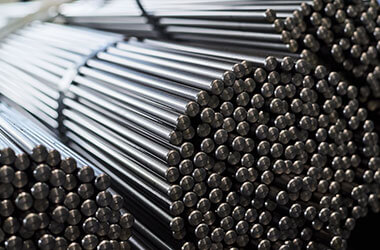
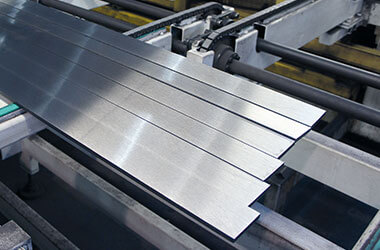
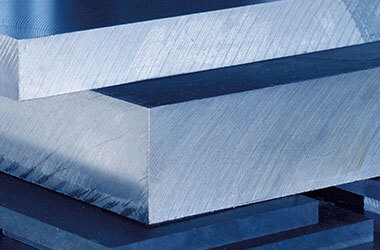
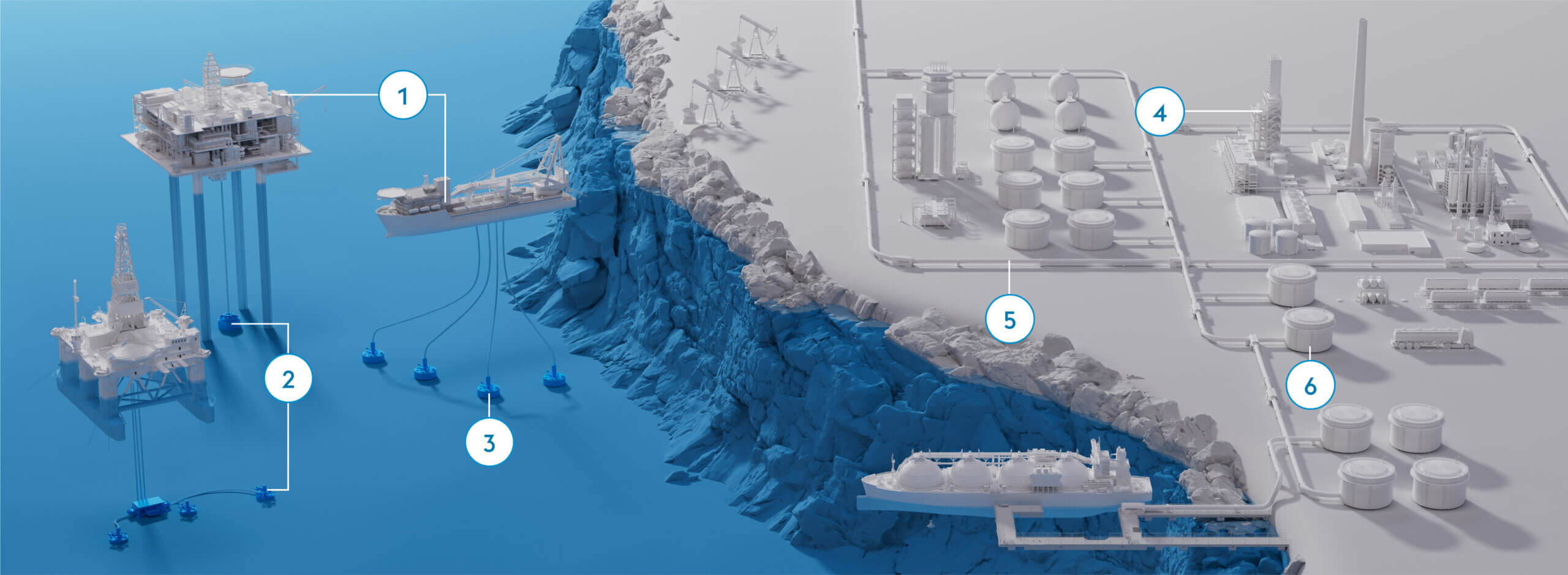
We supply high-performance metals and engineered components for offshore applications, designed to meet the highest standards Whether for platforms, FPSOs, or production strings, our solutions are backed by global stock availability, efficient support for logistics and import, and a supply chain built for predictability and on-time delivery.
In the demanding environment of onshore oil and gas operations, the use of high-quality metals is essential to ensure reliability, safety, and performance across all stages of production and infrastructure. From processing and storage to pipeline systems, precision-engineered metal components are the backbone of critical equipment.
From reverse engineering and alloy development to printing, finishing, and design support, we deliver reliable, production-ready AM solutions for oil & gas, CPI, and renewable applications.
Learn more about our additive manufacturing services for the oil & gas industry here:
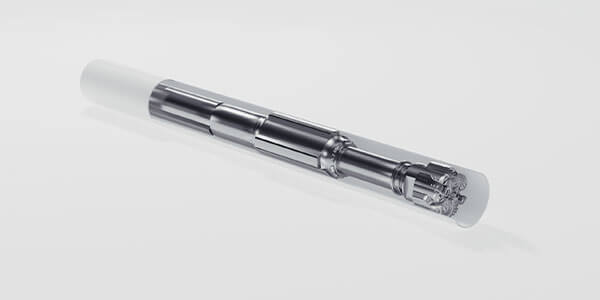
Backed by extensive processing capabilities and trusted partners, we deliver full end-to-end solutions from raw materials to precision-machined components. Our services include cutting, deep hole drilling, turning, honing, heat treatment, straightening, testing, and more. Advanced equipment allows us to achieve superior tolerances, fine finishes, and excellent concentricity across diverse materials. Leveraging deep expertise in complex alloys and precision machining, we deliver trusted, cost-effective solutions that strengthen our customers’ operations and drive project success.
Have a more in depth look at our top services below!
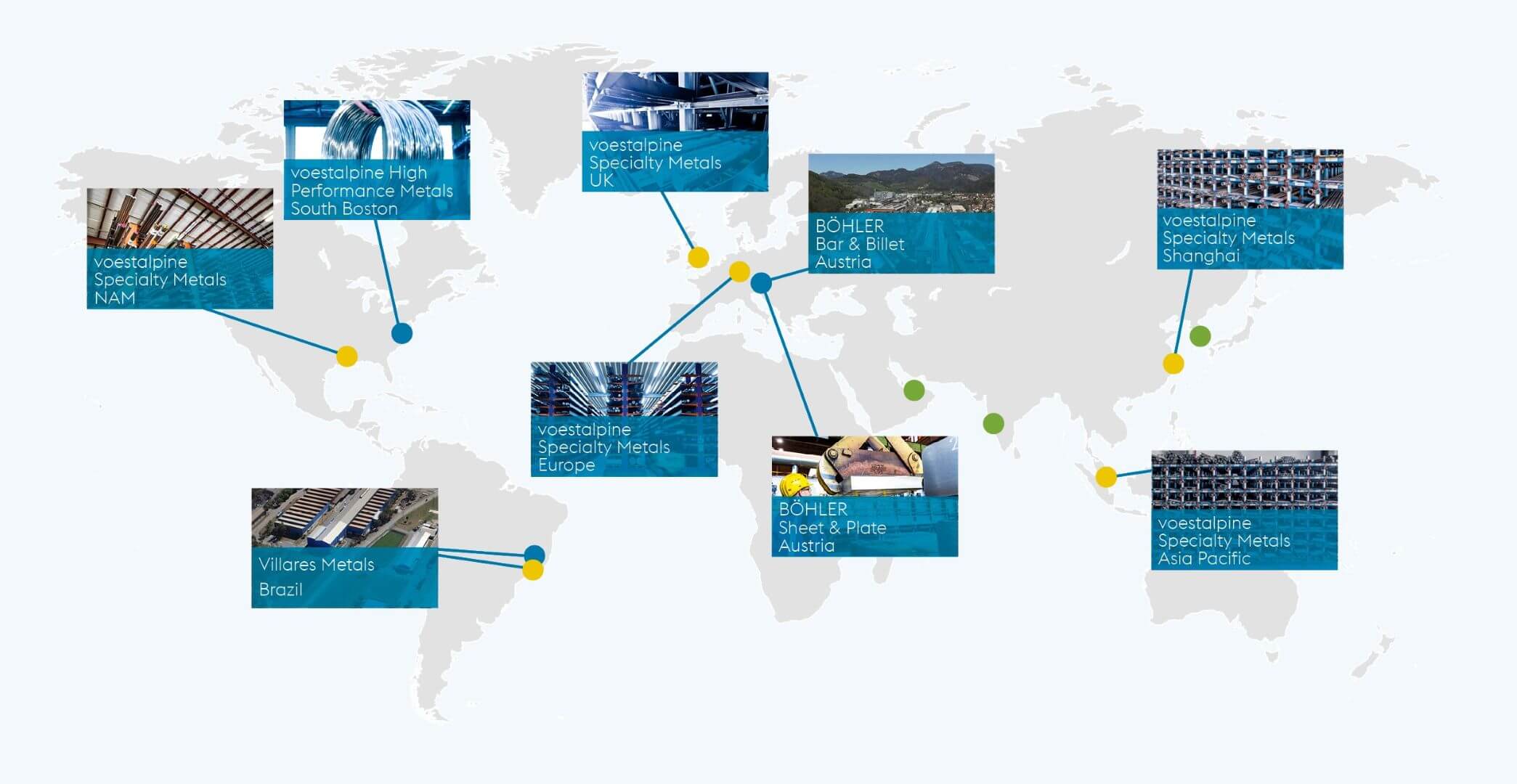
With a globally integrated production and distribution network, voestalpine ensures reliable access to high-performance steels for oil & gas applications—wherever operations take place. Our customers benefit from a seamless combination of mill-origin supply and strategically located service centers, enabling both made-to-spec solutions and rapid local availability. Supported by dedicated experts in key industry hubs, we provide not only materials but also tailored services, technical guidance, and efficient logistics. This close proximity to our customers ensures short lead times, consistent quality, and dependable performance across all regions—delivering confidence at every stage of the supply chain.
voestalpine embodies uncompromising quality, shaped by more than a century of steelmaking expertise and driven by materials science that lives in our DNA. Our relentless focus on consistency and reliability ensures every product meets the highest performance standards. Trusted by the world’s top performers and approved by all major OEMs, we deliver metals engineered for precision, endurance, and confidence—setting the benchmark for excellence across the most demanding industries.
Please fill out this contact form for further information.
Fields marked with * are mandatory:


