
Lightweight design in electromobility: less weight, more functionality
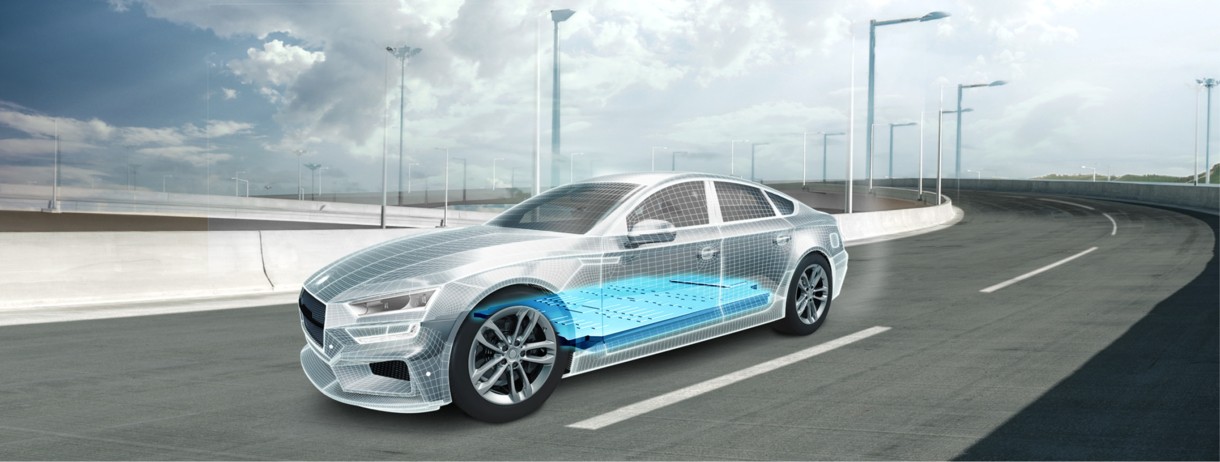
With the rise of electric mobility, the importance of lightweight construction in vehicle manufacturing is changing: a large portion of the total mass is accounted for by the energy storage system. At the same time, there is a growing need to optimize range, costs, and the CO₂ footprint over the entire life cycle.
That is why lightweight construction today is no longer just about reducing weight by a few grams. What matters most is finding the optimal balance between weight, safety, stiffness, functionality, and cost-effective series production capabilities—especially for integrated body-in-white and structural components.
E-mobility drives functional integration forward
A clear example of this shift in weight considerations is the battery box. It is evolving from a mere protective housing into an integral system component of the vehicle body. Requirements such as crash performance and structural rigidity, leak-tightness, good acoustic and vibration characteristics (NVH), as well as interfaces with thermal management and electrical/electronic systems are now directly incorporated into component development. This functional integration is a clear industry trend—and its robust implementation is crucial for series production.
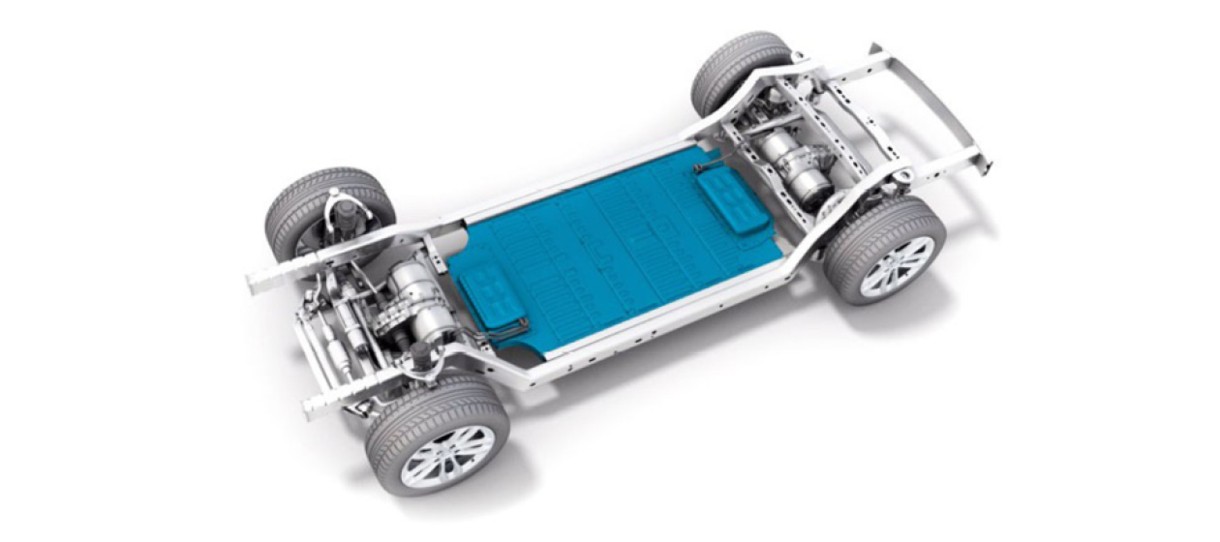
Steel as an enabler of lightweight design in series production
Lightweight construction is not tied to a single material. With high-strength and ultra-high-strength steels, weight reduction is primarily achieved through a combination of material, component geometry, and manufacturing processes—such as tailor-welded blanks and hot forming. Therefore, steel components do not have to be heavy: while delivering the same performance, they enable a lightweight design solution suitable for series production. Amid cost pressures, steel-based concepts are also coming into sharper focus because they combine availability, design freedom, and a good cost-benefit ratio.
From development to series production
This is exactly where the voestalpine Automotive Components Group comes in: We translate the requirements of electromobility into industrially reliable body-in-white and structural components. Our range of services extends from design and digital validation to vertical integration in the areas of stamping, forming, joining, and assembly—as a one-stop shop with clear interfaces and stable process windows.
With specialized expertise at 13 locations worldwide, we can provide regional support for platform launches, reliably ensure smooth ramp-ups, and implement standards consistently across countries.
Lightweight design is achieved not only through the use of specific materials, but also through the design concept, geometry, and various manufacturing processes—especially in the case of integrated e-mobility structures.
Georg Vaclavek, Technical Managing Director, Automotive Components Linz