
Hot forming in body-in-white construction: industrialization as key to success
Hot forming remains a key enabler
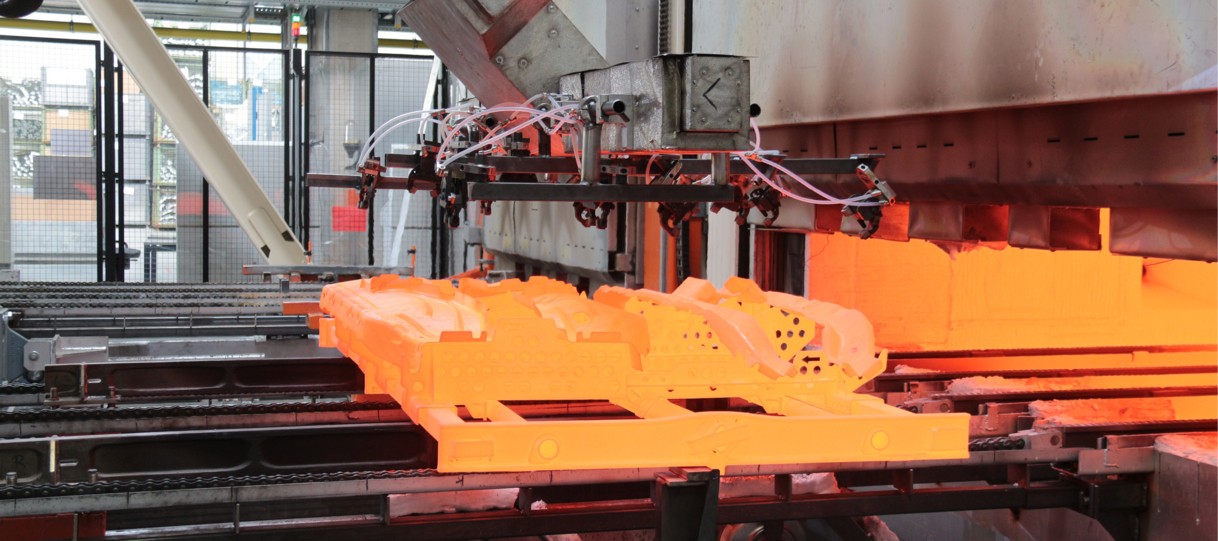
Especially in this phase of transformation, hot forming – or press hardening steel (PHS) – remains a key enabler of modern body-in-white structures. What matters is not so much its “tradition”, but rather the combination of crash performance, geometric freedom and component properties that can be achieved through temperature-controlled forming processes. This makes it possible to realize strengths of up to 2,000 MPa while maintaining a high level of dimensional accuracy.
Industrialization concepts gain importance
The real challenge is shifting from feasibility to industrialization. The more integrated body-in-white structures become, the more important it is to have a consistent and robust industrialization concept: tooling and process design, quality assurance, digital integration and change management that ensures successful series production launches. voestalpine Automotive Components specifically addresses this “bridge” between development and production through production-related engineering. Advanced built-to-print and co-engineering, the evaluation and design of suitable manufacturing technologies, forming simulations, tool design and quality engineering are all clearly defined elements of the service portfolio.
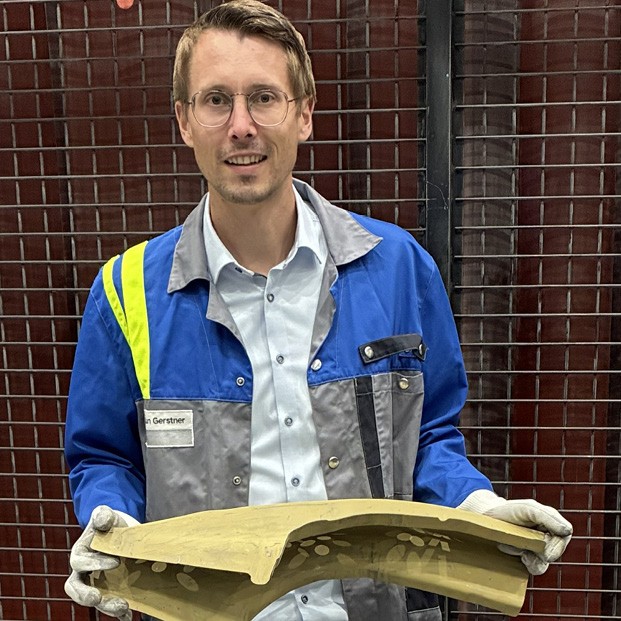
“In modern body-in-white manufacturing, it is not only the component concept that matters. What is decisive is that hot forming is designed for series production from the very beginning – with process reliability, cycle-time capability and stable quality.”
Florian Gerstner, voestalpine Automotive Components, Head of Tec Center
What does this mean in practice?
For hot forming in modern body-in-white manufacturing to not only work technically, but also be transferred reliably into series production, industrialization must be considered early on along the entire process chain. This starts with the blank – including tailor welded blanks – and extends through preforming and preparation steps to the actual press hardening process in its various forms. This is where the key leverage lies for reproducibly securing the typical added value of PHS: high strength, complex component geometries, including those made from laser-welded blanks, as well as large-area dimensional accuracy without springback after forming and hardening.
More than proven benefits
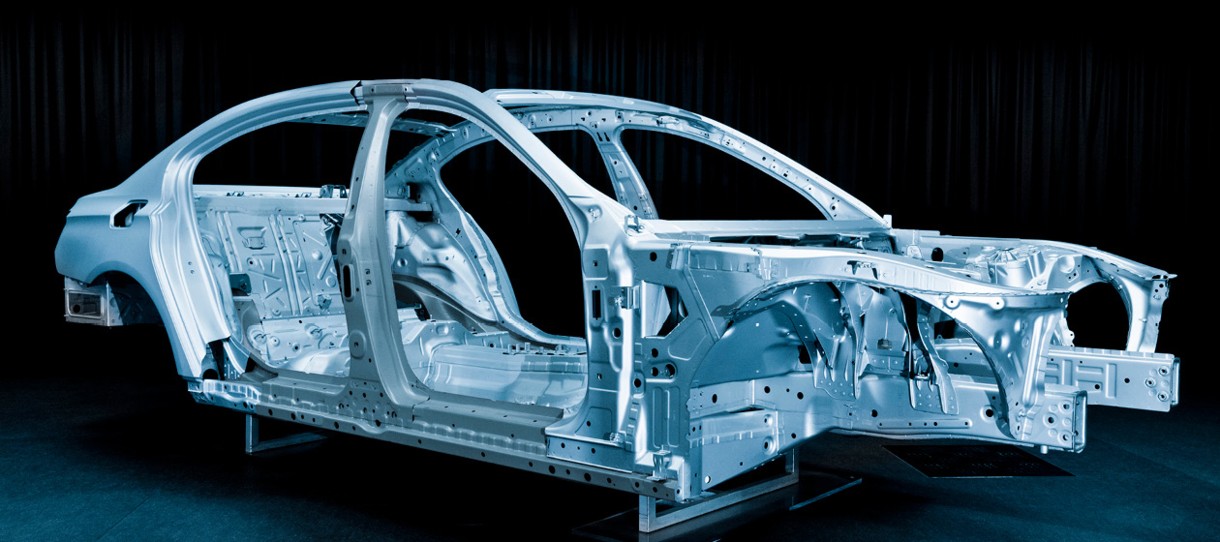
Best-practice examples such as the door ring demonstrate this principle in body-in-white manufacturing: a laser-welded blank is transformed into an integrated large structural component through hot forming. This is why process and tool design, line and cycle-time concepts, subsequent joining integration and quality assurance must come together in a shared concept phase in order to reduce risks relating to timing, quality and costs at SOP.