Heat Treatment for Plastic Injection Molding
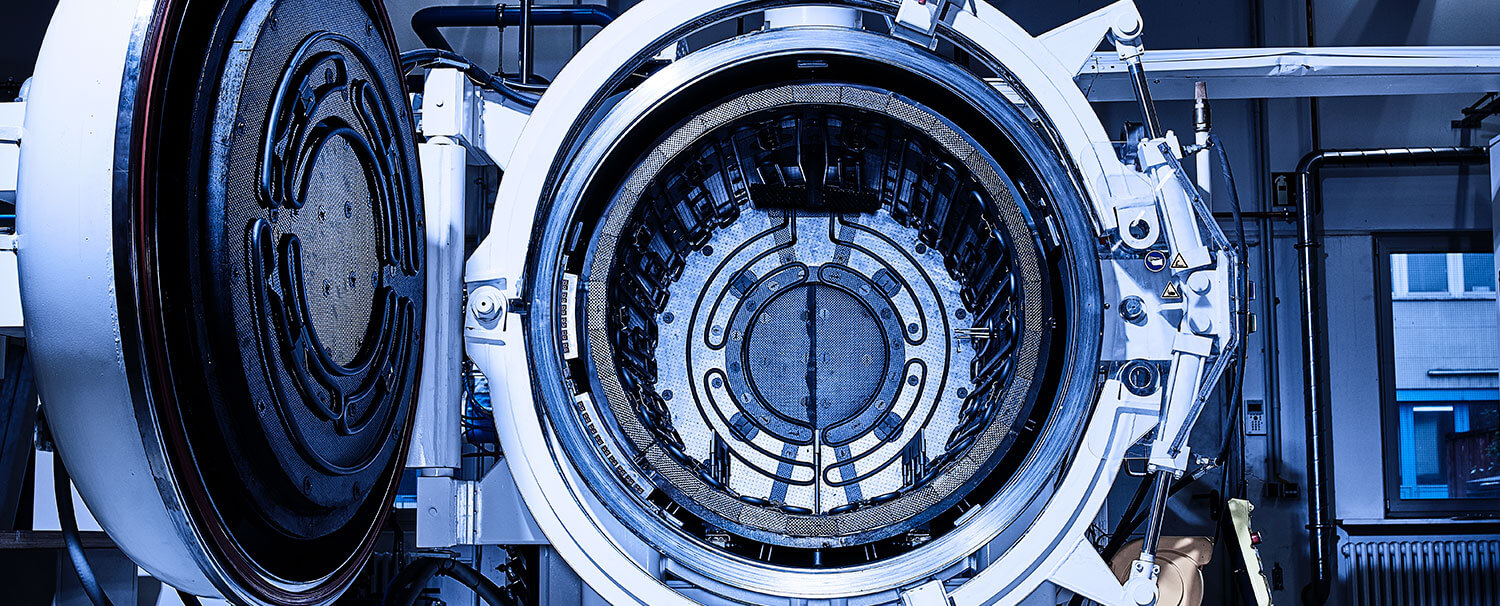
Treating Your Molds Right
Optimized Heat Treatment for Superior Mold Longevity
Heat treatment is a critical process in the manufacturing of plastic injection molds. It enhances the mechanical properties of tool steels, improving hardness, wear resistance, toughness, and dimensional stability. Proper heat treatment ensures that mold components can withstand the demanding conditions of injection cycles, including high pressure, temperature fluctuations, and abrasive polymer flow.
Why Heat Treatment ?
In mold making, the primary objectives of heat treatment are
- Increasing surface hardness for wear resistance and longer mold life
- Relieving internal stresses introduced during machining or EDM
- Improving toughness to prevent cracking or chipping under load
- Stabilizing dimensions before final finishing and assembly
- Enhancing corrosion resistance when used with stainless tool steels
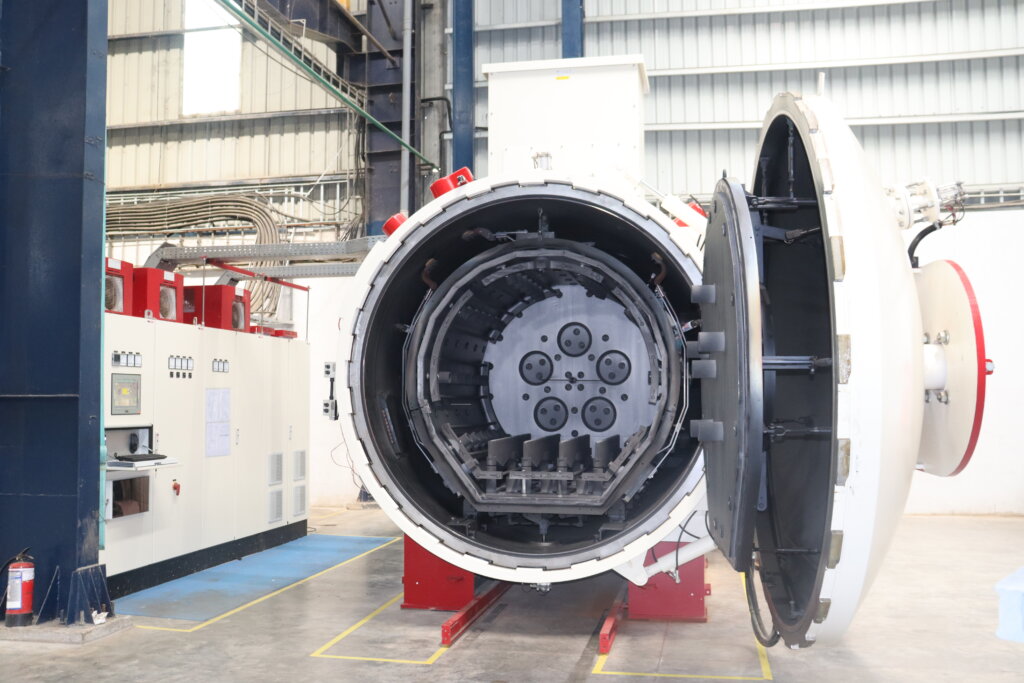
Stages of Heat Treatment
1. Preheating
Before hardening, the mold steel is slowly preheated (typically 400–800°C, depending on the grade) to prevent thermal shock and distortion. This stage equalizes the temperature throughout the component.
2. Hardening
The steel is heated to its critical temperature (around 850–1050°C) to transform its microstructure into austenite. It is then rapidly cooled (quenched) in oil, air, or vacuum to form martensite, achieving high hardness.
3. Quenching
The quenching medium is selected based on steel type and component geometry:
Oil Quench: Moderate cooling rate for alloy steels
Air or Gas Quench: For air-hardening steels like H13
Vacuum Quench: Used to minimize oxidation and distortion
4. Tempering
Immediately after quenching, tempering relieves internal stresses and adjusts hardness to a workable level. Typical tempering temperatures range from 150–600°C. Most mold steels are double, or triple tempered to achieve uniform properties.
5. Stress Relieving
After rough machining and before final finishing, stress relieving at 550–650°C helps prevent movement during hardening and machining
Advanced Heat Treatment Methods
Vacuum Heat Treatment
Provides a clean, oxidation-free surface ideal for polished moulds and tight tolerances.
Cyrogenic Treatment
Exposing the steel to sub-zero temperatures (-80°C to -196°C) converts retained austenite into martensite, enhancing wear resistance and dimensional stability.
Nitriding / Gas Nitriding
Forms a hard, wear-resistant surface layer (up to 70 HRC) without altering the core hardness. Ideal for slides, pins, and inserts.
Induction Hardening
Selectively hardens specific areas such as wear zones, parting lines, or gate areas.
Heat Treatment and Mold Performance
Properly executed heat treatment is crucial to ensure tool steel can meet the high quality demanded by the plastic injection molding industry.
Properly heat-treated molds show
- Reduced wear and maintenance requirements
- Better part quality and surface finish
- Longer tool life cycles
- Improved consistency during high-volume production
- Enhanced resistance to stress cracking and deformation
Incorrect heat treatment can lead to
- Uneven hardness and dimensional instability
- Premature cracking or soft spots
- Warping or distortion