People in Focus
PVD Coating
Reading time: 17 minutes
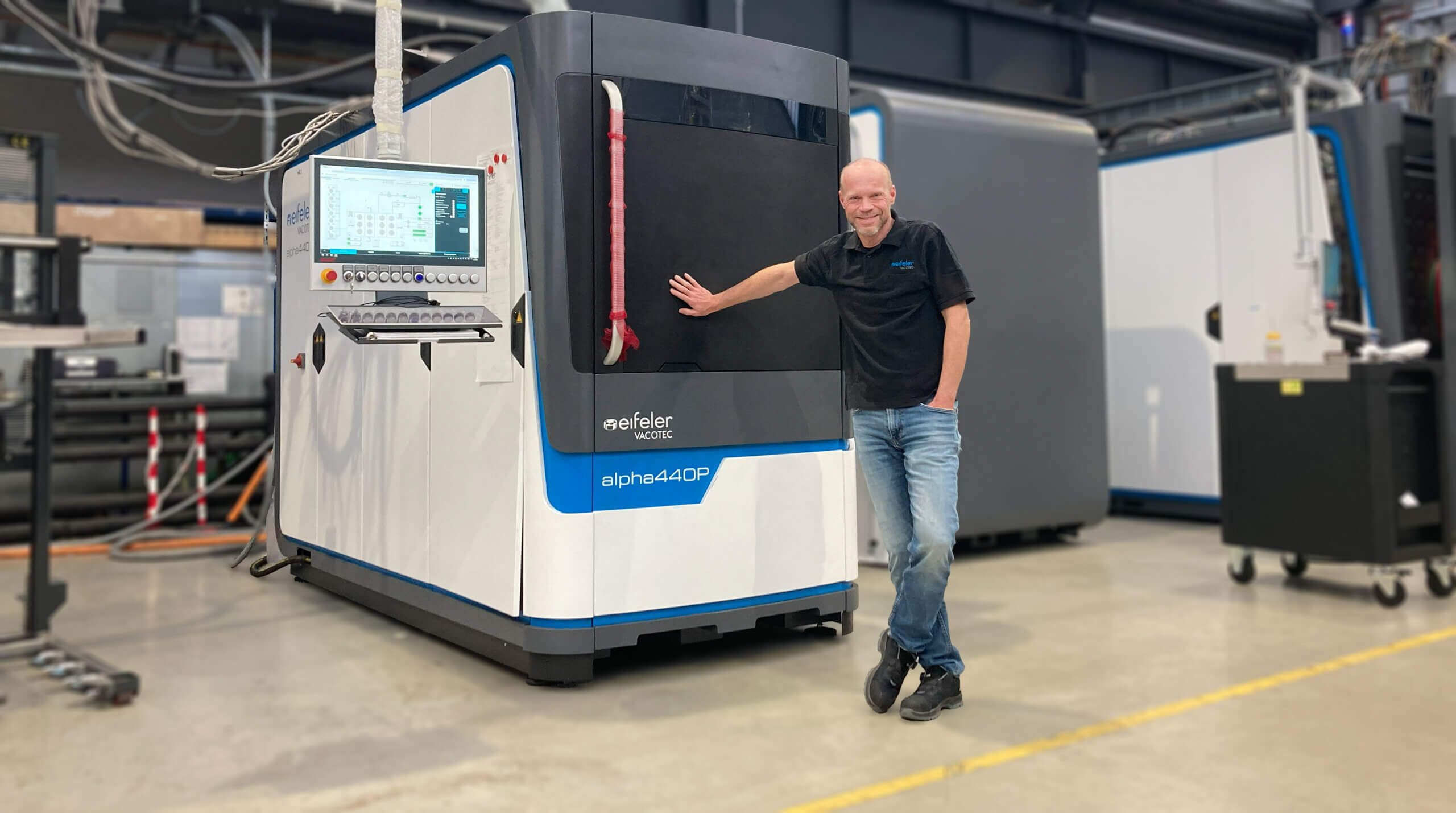
Beyond the Surface: Exploring Coating Technology with Markus Schenkel of eifeler
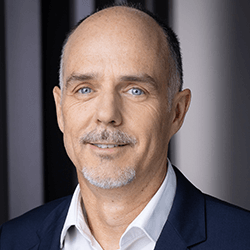
As Head of Research and Development at the voestalpine eifeler group in Germany, Markus Schenkel leads a department that combines product development, technical expertise, and analytical services to support customers and advance coating solutions for manufacturing industries around the world.
When I spoke with Markus about his work, I had to admit that my own understanding of coatings only scratched the surface. I suspected that some readers might feel the same. Fortunately, Markus was enthusiastic about the topic and happy to guide me through it. With that, we began our conversation.
Markus, can you tell us about your background and what makes your work so interesting?
“I studied Technical Physics with a strong focus on thin film- and vacuum technology. I’ve now been working for around 27 years, always in industries connected to coatings, surface technology, machinery manufacturing, and product development.
I’ve been with eifeler for 14 years. During that time, the company has become part of voestalpine High Performance Metals.
What keeps the work interesting is that coatings sit at the intersection of physics, materials science, production technology, and customer applications. There are always new challenges to solve, new materials to understand, and new applications to support.”
So, what role does PVD coating play in modern manufacturing?
“PVD coatings have become increasingly important because modern materials face very demanding requirements.
Take the automotive industry as an example. Manufacturers want lighter vehicles, while maintaining high strength and reliability of the components. Materials are becoming more advanced and complex, and producing them requires highly capable tooling.
The same applies to plastics processing. Modern plastics often contain glass fibers, flame retardants, and other additives that improve performance but also create greater wear on manufacturing tools. Coatings help tools withstand these challenging conditions and significantly improve performance and service life.”
As Markus explained, PVD coatings are about more than performance.
“Sustainability is another important factor. PVD is a very clean technology. It produces no toxic waste, no wastewater, and no harmful exhaust emissions. At the same time, extending tool life reduces the resources and energy required to manufacture replacement tools. From an environmental perspective, that is a significant benefit.”
The importance of selecting the right tool steel is well understood. I wondered whether coatings received the same level of attention.
Why is the surface of a tool often just as important as the underlying material?
“The surface creates the first impression,” Markus said. “Whether it is appearance, color, gloss, or tactile feel, people immediately notice the surface. However, beyond aesthetics, the surface is where performance matters. Customers ultimately judge a tool by how long it lasts and how reliably it performs.
Our coatings are designed to improve wear resistance and extend tool life. They are significantly harder than the substrate material and provide protection against various wear mechanisms.
That said, coating performance always depends on the overall system. A coating alone cannot compensate for a poor substrate steel. It is similar to constructing a building. You’re asking for trouble if you build it on soft sand. You need a strong foundation before you can create something durable. The substrate and coating must work together.”
Markus’s building analogy made the point clear. But what challenges were customers bringing to eifeler?
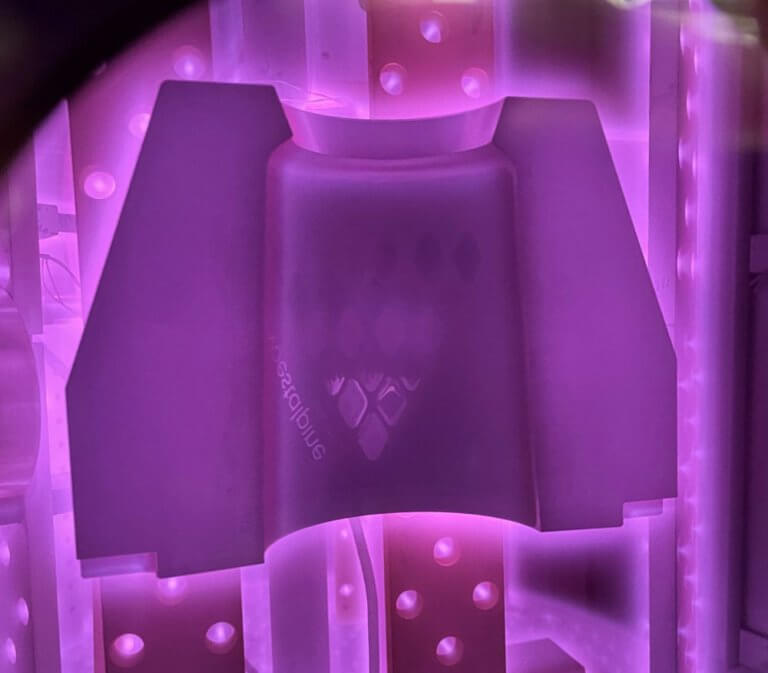
eifeler serves many industries. Are there common challenges customers face?
“We work across many applications and industries, including metalworking, plastics processing, mobility, aerospace, and medical technology, so customer requirements can vary significantly.
Still, every customer wants a benefit. Longer tool life is often part of that. Customers often come to us because they have reached a limit in their production process. They may be experiencing excessive wear, short tool life, or inconsistent performance and need a solution.
Customers also value the overall service package. Delivery times, technical support, application expertise, and help analyzing failure mechanisms can be just as important as the coating itself.
Often, the challenge is not simply selecting the right coating, but finding the right overall solution.”
If selecting the right solution is so important, what should customers consider when choosing a coating?
“Choosing the right coating starts with understanding the complete application,” Markus said.
“You need to know how the tool is being used, what type of process it supports, and which performance requirements are most critical. Understanding the dominant wear mechanisms is also essential. Is the tool suffering from abrasive wear, adhesive wear, high temperatures, or some other challenge? Is it operated dry or with any cooling, lubricant or release agent?
The substrate material must also be considered. Different materials have different hardness levels, compositions, and coating compatibility.
Coatings themselves vary in thickness, structure, and performance characteristics. For this reason, selecting a coating is rarely as simple as choosing something from a brochure.
The best results come from close collaboration between the customer and our technical experts, product managers, and sales teams.”
That made perfect sense. Tool manufacturers are experts in their own applications, but they cannot be expected to be coating specialists as well. It left me wondering what Markus and his team do behind the scenes to develop and refine these solutions.
How important is research and development at eifeler?
“Research and development are central to what we do,” he said.
“We operate our own laboratories and development facilities, but we also collaborate closely with universities, research institutes, customers, and other partners. Some areas of research require specialized expertise or computational resources beyond what a single company can provide.
One example is simulation technology. Instead of producing and testing every possible material variation experimentally, simulations can enable us to predict deposition properties and evaluate potential coating solutions much faster. This opportunity accelerates development and focus resources more effectively.
Customer collaboration is equally important. Customers understand their tools and applications in great detail. By combining their knowledge with our coating expertise, we can develop better solutions together.”
Markus’s reference to computational resources and simulation technology sparked another question. With AI dominating headlines in recent times, I wondered whether Markus and his team were using it in their development work.
What role does AI play in research and development?
“Artificial intelligence and machine learning are becoming increasingly important,” Markus said.
“For us, the quality of the data is the foundation. Without reliable data, AI cannot deliver meaningful results. Once high-quality data from measurements, production processes, and testing is available, machine learning can help identify patterns and support development work more efficiently.
We are working together with partners across voestalpine HPM to build and use shared data architecture with uniform data standards. This allows us to apply machine learning to accelerate development, identify promising parameters more quickly, and support decision-making in research projects.”
Markus’s answer highlighted something that had come up several times during our discussion: innovation rarely happens in isolation.
You mentioned working with partners across HPM. How does that ultimately benefit customers?
“Collaboration is a major advantage. Research and development activities across our different technology areas are closely coordinated to help us understand market needs and develop complementary solutions. This includes coatings, steel development, additive manufacturing, and surface texturing.
Rather than focusing on a single technology, we aim to combine expertise from across the value chain. By sharing knowledge and aligning projects, we can provide customers with integrated solutions that deliver greater value.”
That sounded good in theory, but I wondered what it looked like in practice.
Could you give us an example of an integrated customer solution?
“A good example is tooling for high pressure die casting or plastic injection moulding,” Markus said.
“Using additive manufacturing, it’s possible to produce tools with highly optimized cooling channels that would be difficult or even impossible to manufacture conventionally.
These tools can be printed using powder materials developed within voestalpine HPM and then receive a coating tailored to the application.
It’s a good example of how different technologies come together. When you combine optimized tool design, high-performance materials, and advanced surface technology, you can create a very powerful solution.”
We were well into our conversation and conscious of the time. Before closing, I wanted to hear Markus’s thoughts on where coating technology is heading next.
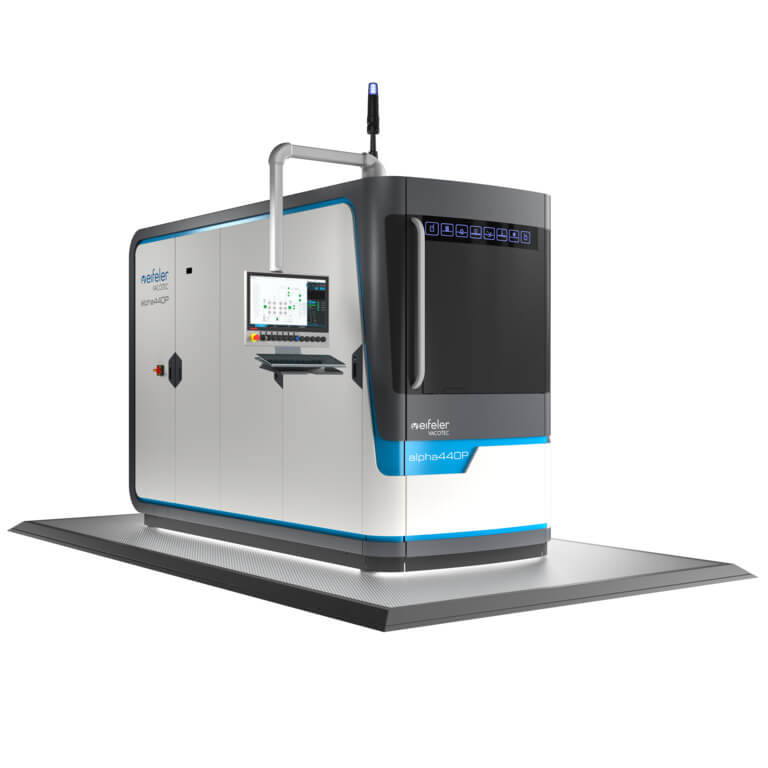
What trends are shaping the future of coating technology?
“One major trend is increasing environmental regulation,” Markus explained. “Requirements related to environmental protection, workplace safety, and health standards are becoming stricter.
For example, restrictions on substances such as hexavalent chromium are creating opportunities for cleaner technologies like PVD coatings.
Another trend is increasing coating complexity. Modern coatings often contain multiple complex chemical elements that deliver significantly improved performance.
At the same time, supply chain considerations are becoming increasingly important. Some raw materials are expensive or difficult to source. As a result, there is growing interest in developing coatings that deliver high performance while relying less on rare or critical elements.”
Okay, then what excites you most about the future of PVD technology?
“There are many promising opportunities,” Markus said.
“Cutting tools remain an important market, but there are also exciting developments in areas such as medical technology. Many PVD coatings are biocompatible, making them suitable for medical instruments and implants.
As populations age and demand for healthcare increases, medical applications represent a particularly interesting growth area for coating technologies.”
Our time was almost up. We had covered coating technology, innovation, AI, and future trends, but there was one area we had barely touched on: Markus himself. Before we wrapped up, I wanted to ask a few final questions about his role and interests outside work.
What does your role look like today?
“My focus is on research and development, which involves coordinating projects, collaborating with colleagues across the HPM division, and helping define future technology directions.
Within R&D, we have specialized teams covering areas such as laboratory analysis, application engineering, customer support, and innovation projects. PVD is a highly complex field, so expertise across different disciplines is essential.
In addition to coating development itself, we also work on areas such as pre-treatment, post-treatment, surface preparation, cleaning, polishing, blasting, and edge preparation. All of these factors influence the final performance of a coated tool and must be considered as part of the complete process.”
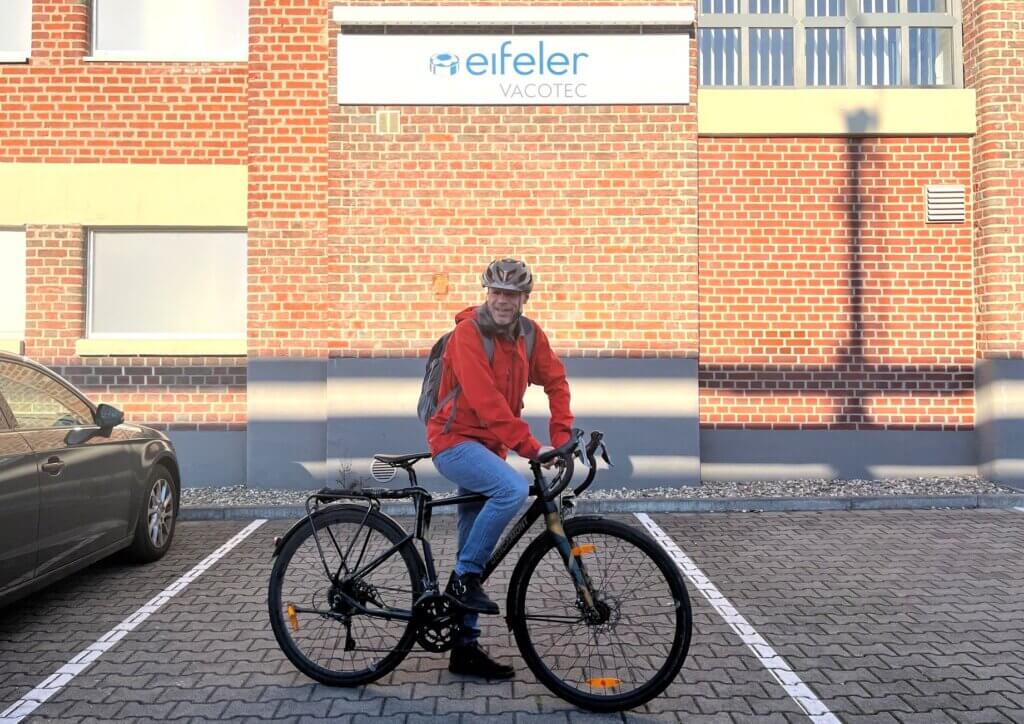
What about outside of work—what do you enjoy most?
“I enjoy cycling and regularly ride my bike to work. It’s a great way to stay active and helps clear my mind before and after the workday.
I also enjoy participating in team running events with colleagues, such as relay marathons. They are a good combination of exercise, teamwork, and social interaction.”
Markus paused for a moment before adding another hobby.
“I’m also learning to play the guitar.”
“Really?” I asked. “What kind of music?”
Markus smiled. “Heavy metal, of course!”
He then pointed out an interesting connection between music and technology:
“What fascinates me is that even with electric guitars, technology continues to evolve. Advances in digital modeling, capturing speaker impulse responses, and simulation can now recreate valve amplifier sounds with remarkable accuracy. It’s interesting to see how innovation appears in completely different fields beyond industrial technology.”
With a wailing heavy metal guitar in mind, it felt like a fitting note on which to end our conversation.
As we wrapped up, it was clear there was much more to explore. From tooling and manufacturing to medical applications and emerging technologies, coating is a far broader field than many people realize. We agreed to continue the conversation another time.